
Identifying Fallacies:
A Guide To Logical Thinking
Written By:
Tommy Babb
Before we begin we should first understand what a fallacy is. A fallacy is: An error in logical thinking. This means that in someway the idea or argument being portrayed is incorrect.
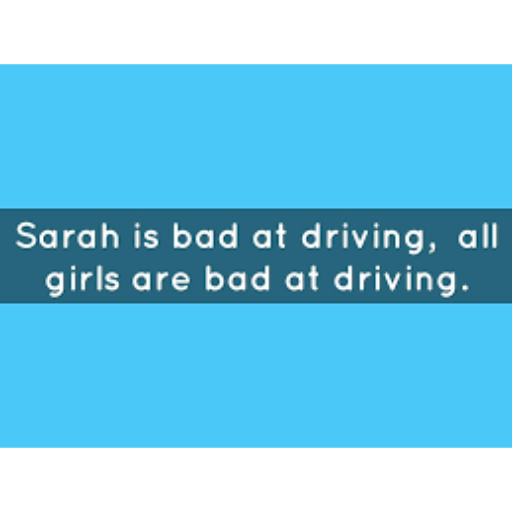
The first and most common fallacy is a hasty generalization. A hasty generalization is jumping to conclusions without enough evidence or unrepresentative evidence. This fallacy creates many stereotypes.

Another extremely common fallacy that is mainly found in advertising is the faulty use of authority which is when the authority is not an expert in the subject area they are talking about.
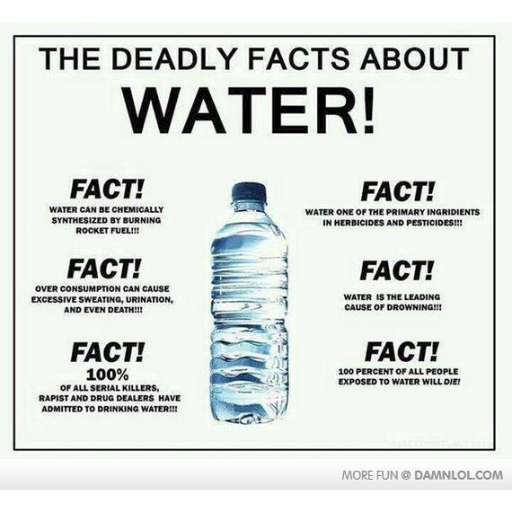
Another fallacy that is quite common is the Post Hoc Ergo Propter Hoc fallacy which shows how causation is not correlation. Simply, this fallacy states that although two things happened near each other it does not mean that one caused the other.
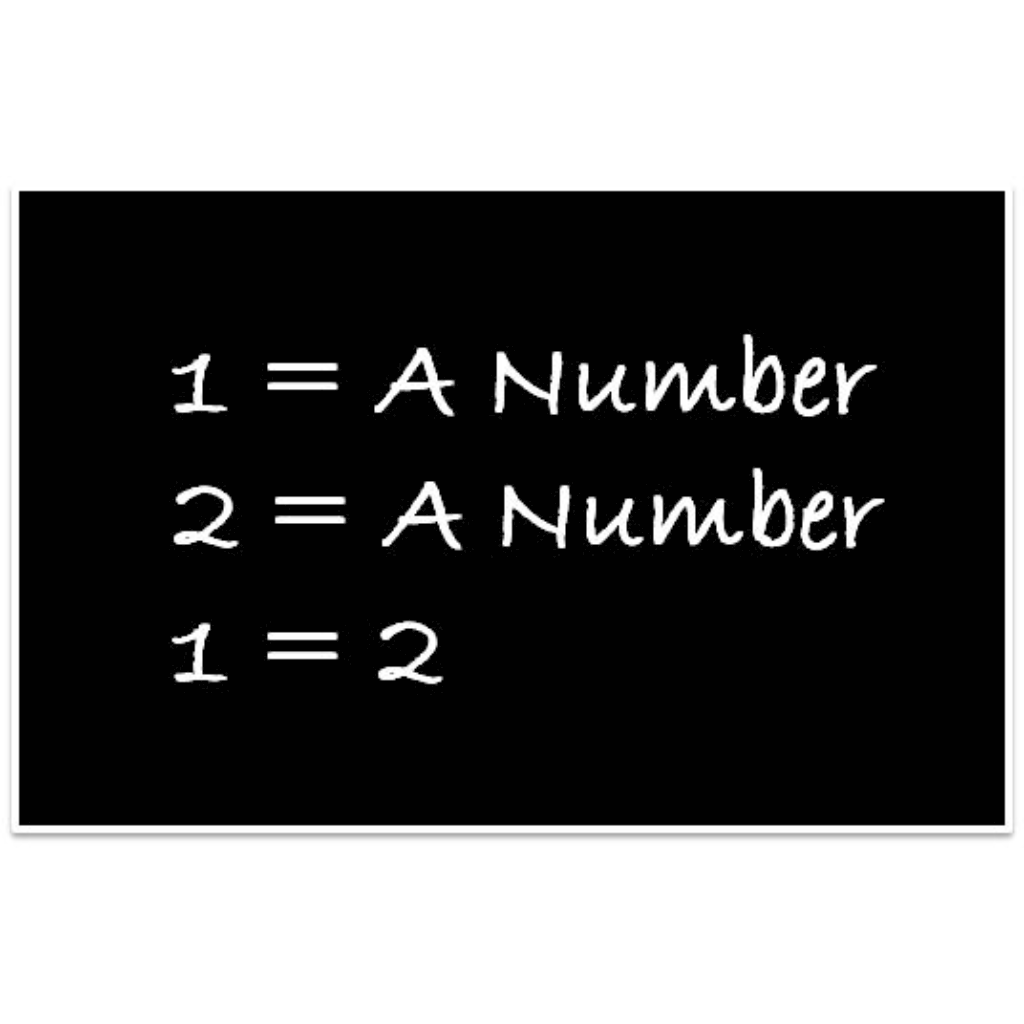
Another fallacy is the false analogy, this fallacy occurs when two things are compared when they are not comparable.
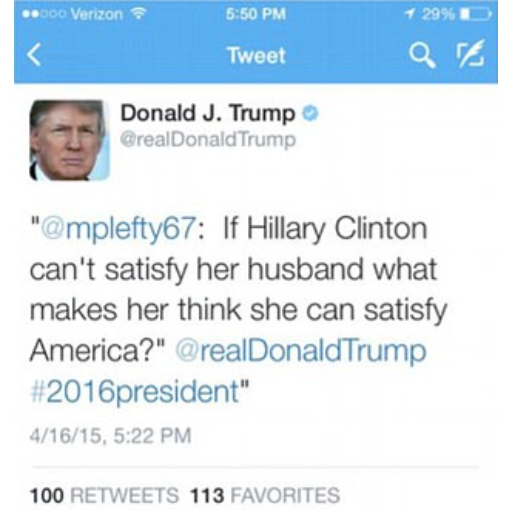
One fallacy that is consistently used in politics is that of Ad Hominem (the personal attack). This argument focuses on the person making the argument rather than the argument itself.
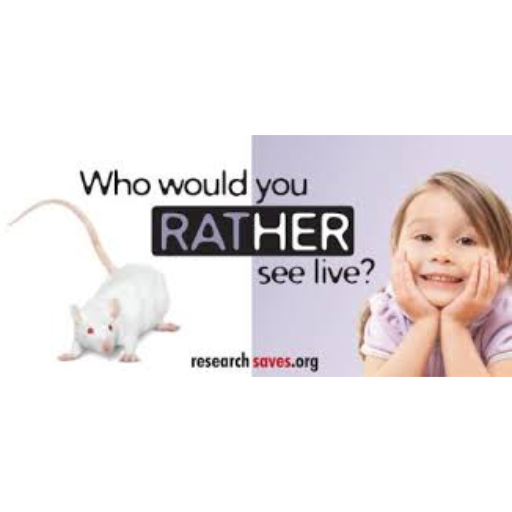
Another common fallacy is the False Dilemma fallacy. This fallacy says that there are only two possible options. It is also described as either/or arguments or black and white thinking.
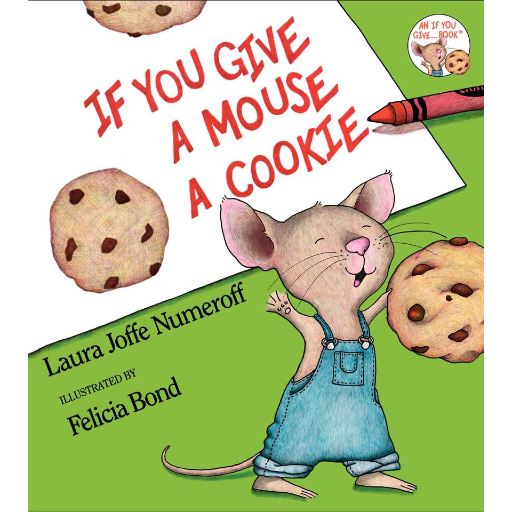
The next fallacy is extremely common, it is called the slippery slope. Arguments that fall under this category typically start with one thing happening and then a chain of events follows leading to a disastrous ending.
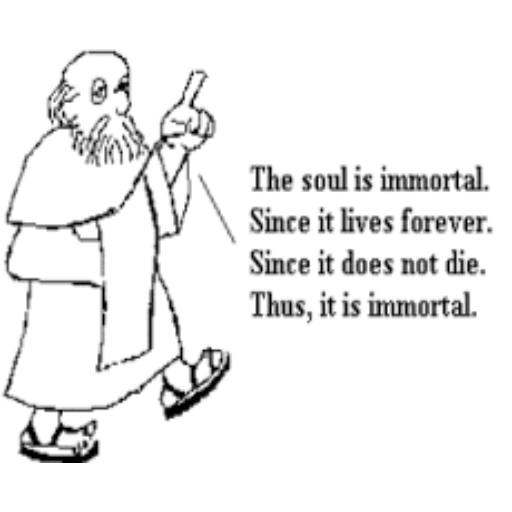
Another fallacy that is used is begging the question. This fallacy is: Any form of argument where the conclusion is assumed in one of the premises. This argument just uses the claim as a piece of evidence.
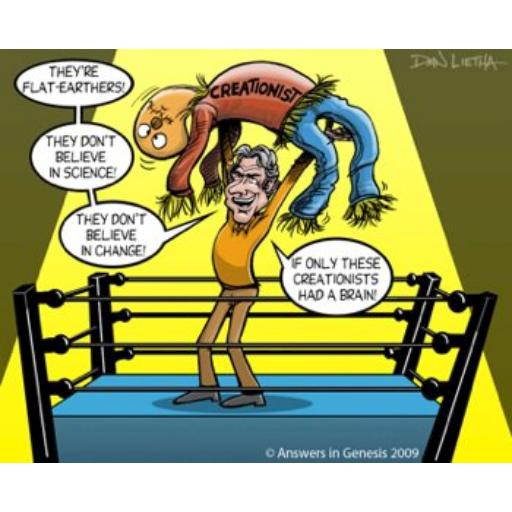
The straw man fallacy attempts to simplify, diminish, and distort the opponents view making the opponent easier to smash like a straw person.
- Full access to our public library
- Save favorite books
- Interact with authors
- < BEGINNING
- END >
-
DOWNLOAD
-
LIKE
-
COMMENT()
-
SHARE
-
SAVE
-
BUY THIS BOOK
(from $6.39+) -
BUY THIS BOOK
(from $6.39+) - DOWNLOAD
- LIKE
- COMMENT ()
- SHARE
- SAVE
- Report
-
BUY
-
LIKE
-
COMMENT()
-
SHARE
- Excessive Violence
- Harassment
- Offensive Pictures
- Spelling & Grammar Errors
- Unfinished
- Other Problem





COMMENTS
Click 'X' to report any negative comments. Thanks!