Harriet Tubman undoubtedly one of the Underground Railroad's most famous conductors.

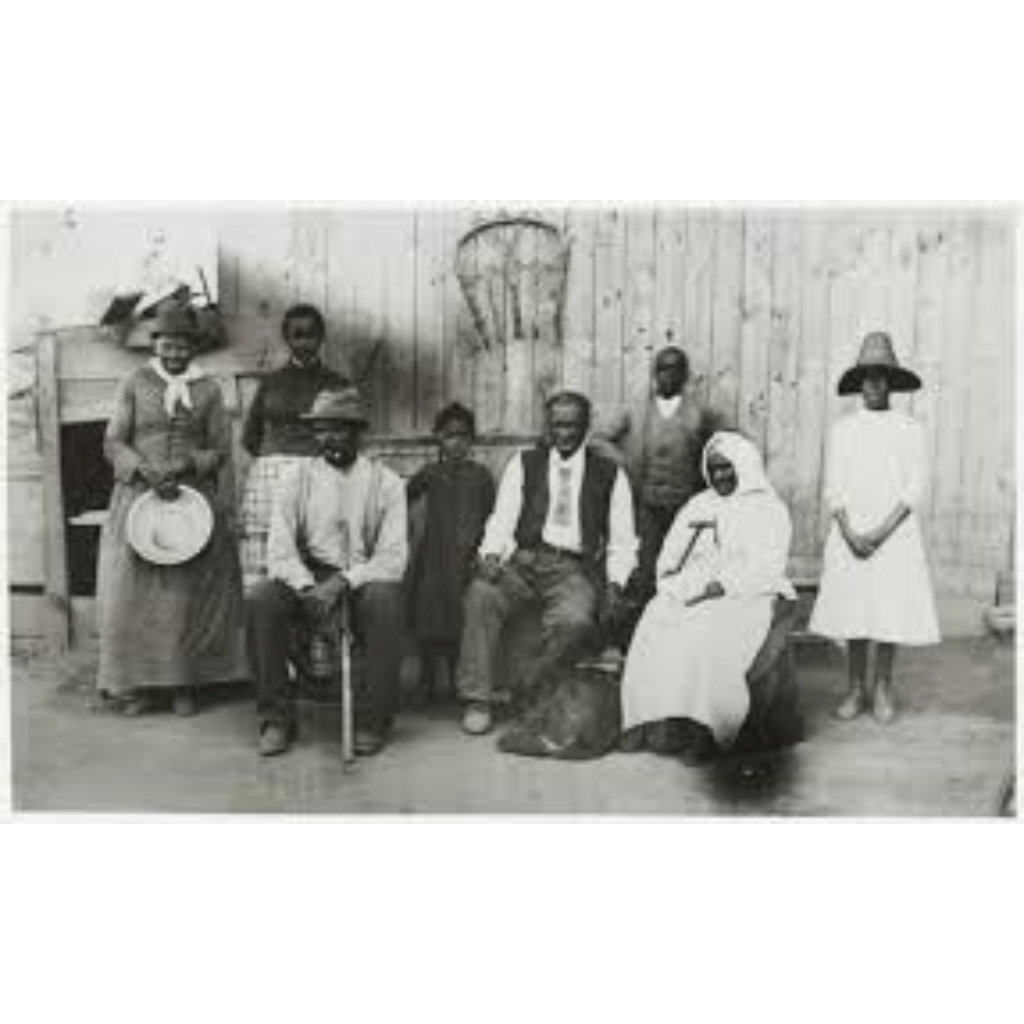
Harriet Tubman was born into slavery in 1819 or 1820, in Dorchester County, She was raised under harsh conditions, and subjected to whippings even as a small child. Harriet had four brothers and four sisters
Fun Fact: She slept as close to the fire as possible on cold nights and sometimes stuck her toes into the smoldering ashes to avoid frostbite.
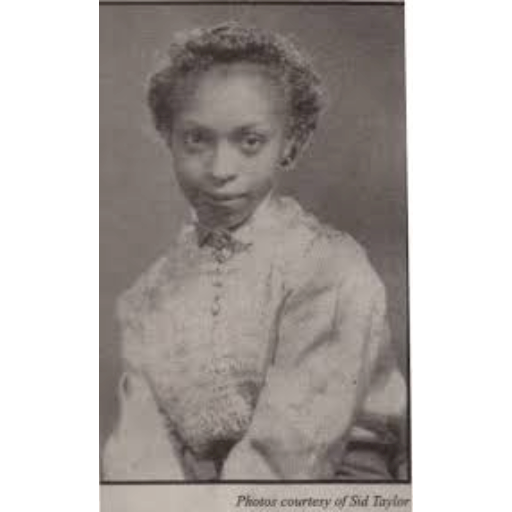
At age six, she was old enough to be considered able to work.Edward Brodas, her master, lent her to a couple who first put her to work weaving she was beaten frequently.When she slacked off at this job the couple gave her the duty of checking muskrat traps.Harriet caught the measles while doing this work.

The couple thought she was incompetent and took her back to Brodas. When she got well, she was taken in by a woman as a housekeeper and baby-sitter. Harriet was whipped during the work here and was sent back to Brodas after eating one of the woman's sugar cubes.

As was the custom on all plantations, when she turned eleven, she started wearing a bright cotton bandanna around her head indicating she was no longer a child. At the age of 12 Harriet was seriously injured by a blow to the head, inflicted by a white overseer for refusing to assist in tying up a man who had attempted escape.
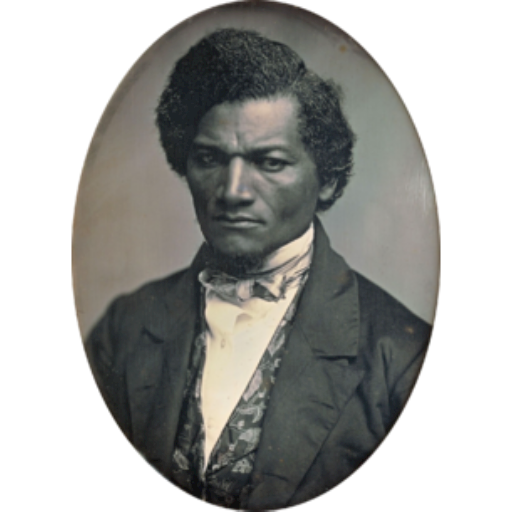
John Tubman
In 1844 at the age of 25, she married John Tubman, a free African American who did not share her dream. Since she was a slave, she knew there could be a chance that she could be sold and her marriage would be split apart. Harriet dreamed of traveling north. There, she would be free and would not have to worry about having her marriage split up by the slave trade. But, John did not want her to go north. He said he was fine where he was and that there was no reason for moving north. She said she would go by herself. He replied with questions like "When it's nighttime, how will you know which way is north?" and "What will you eat?" He told her that if she ran off, he would tell her master. She did not believe him until she saw his face and then she knew he meant it. Her goal to achieve freedom was too large for her to give up though. So in 1849 she left her husband and escaped to Philadelphia in 1849.
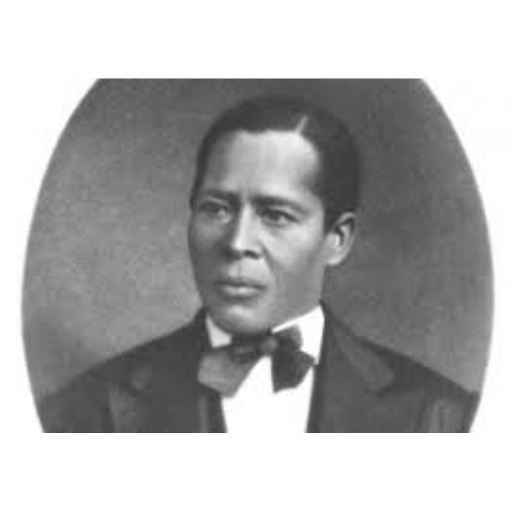
William Still
Harriet was given a piece of paper by a white abolitionist neighbor with two names, and told how to find the first house on her path to freedom. At the first house she was put into a wagon, covered with a sack, and driven to her next destination. and kind enough to give her directions to safe houses and names of people who would help her cross the Mason-Dixon line. She then hitched a ride with a woman and her husband who were passing by. They were abolitionists and took her to Philadelphia. Here, Harriet got a job where she saved her pay to help free slaves. She also met William Still. Still was one of the Underground Railroad's busiest "station masters."
With the assistance of Still, and other members of the Philadelphia Anti-Slavery Society, she learned about the workings of the Underground Railroad (click for details). In 1850, Harriet helped her first slaves escape to the North. She sent a message to her sister's oldest son that said for her sister and family to board a fishing boat in Cambridge. This boat would sail up the Chesapeake Bay where they would meet Harriet in Bodkin's Point. When they got to Bodkin's Point, Harriet guided them from safehouse to safehouse in Pennsylvania (which was a free state) until they reached Philadelphia.
In September of the same year, Harriet was made an official "conductor" of the UGRR. This meant that she knew all the routes to free territory and she had to take an oath of silence so the secret of the Underground Railroad would be kept secret. She also made a second trip to the South to rescue her brother James and other friends. They were already in the process of running away so Harriet aided them across a river and to the home of Thomas Garret. He was the most famous Underground "Stationmaster" in history.
Harriet's third trip was in September 1851. She went to get her husband, John, but he had remarried and did not want to leave. So she went back up North. Harriet went to Garret's house and found there were more runaways (which were referred to as passengers) to rescue than anticipated. That did not stop her though. She gave a baby a sedative so he would not cry and took the passengers into Pennsylvania. The trip was long and cold but they did reach the safe house of Frederick Douglas. He kept them until he had collected enough money to get them to Canada. He recieved the money so she and her eleven passengers started the journey to Canada.
. To get into Canada, they had to cross over Niagara Falls on a handmade suspension bridge which would take them into the city of St. Catherine, Ontario in Canada. In St. Catherine, blacks and whites lived together in comfortable houses and they had their own land to farm and raise crops. St. Catherines remained her base of operations until 1857. While there she worked at various activities to save to finance her activities as a Conductor on the UGRR, and attended the Salem Chapel BME Church on Geneva Street.
- Full access to our public library
- Save favorite books
- Interact with authors
- < BEGINNING
- END >
-
DOWNLOAD
-
LIKE(1)
-
COMMENT()
-
SHARE
-
SAVE
-
BUY THIS BOOK
(from $5.19+) -
BUY THIS BOOK
(from $5.19+) - DOWNLOAD
- LIKE (1)
- COMMENT ()
- SHARE
- SAVE
- Report
-
BUY
-
LIKE(1)
-
COMMENT()
-
SHARE
- Excessive Violence
- Harassment
- Offensive Pictures
- Spelling & Grammar Errors
- Unfinished
- Other Problem






COMMENTS
Click 'X' to report any negative comments. Thanks!