Mrs. Smith
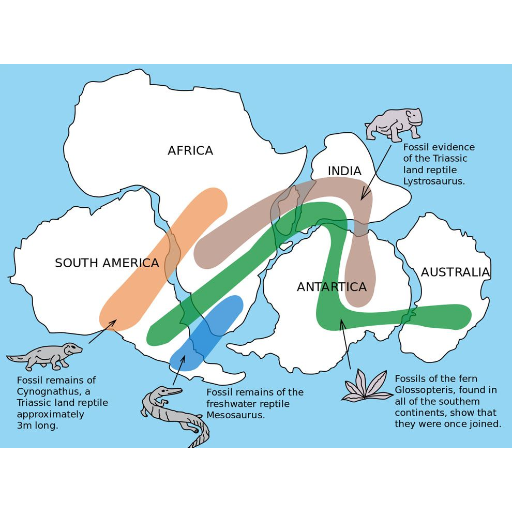
The most interesting part that I learned in this unit is about the different theories. In Albert Wegener's theory, I liked how he was able to match everything like a puzzle piece. I also found it really interesting that even in this present day, some of the continents still match each other.


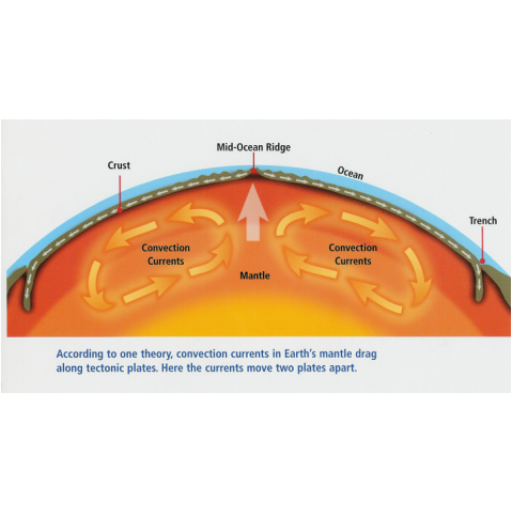
Convection currents is a transfer of heat to the surface, breaking the plates apart.
Convection currents occur when the reservoir of fluid is heated at the bottom ;making it less dense and expand. The top gets cooler ;making it more compact, causing it to go down.
The convection currents and the intense heat from the earth makes the plates move because of the molten rocks on the upper mantle.
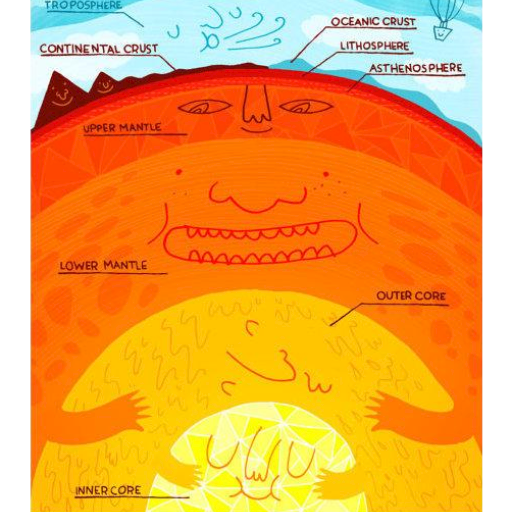
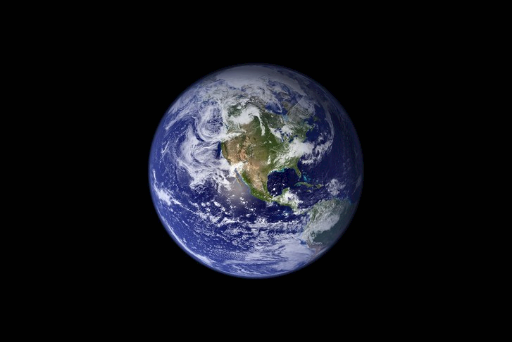
E A R T H ' S L A Y E R S
A German geologist named Alfred Wegener prosed the first continental drift theory. His theory states that the continents were once a super-continent and millions of years later, it drifted apart to how it was today. He used various of evidence through fossils, tectonic plates, and the mountains.
Although, his theory was very convincing, some weren't buying it. Scientists questioned how this could all happen but Alfred couldn't find the answer which made many scientists doubt this theory.
C O N T I N E N T A L D R I F T T H E O R Y
E V I D E N C E

1) Similar coastlines
2) Fossil records
3) Geologic evidence
4) Climate changes
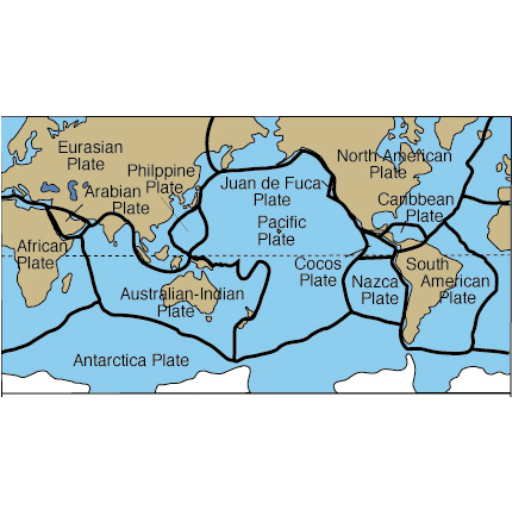
The plate tectonic theory is about the lithosphere (the outer ridge layer of the earth's crust) separated into several 'plates' that move across in the earth.
P L A T E T E C TO N I C T H E O R Y


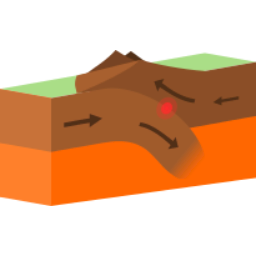
C O N V E R G E N T B O U N D A R Y
A convergent boundary is when two plates collide towards each other causing to topple one another also known as subduction. This causes when the convection currents move in the mantle. Convergent boundary can create mountains and earthquakes can commonly occur during the process of the convergent boundary.

-Mountains
-Trench
-Earthquakes
-Volcanoes
-Island Arcs
C R U S T A L F E A T U R E S
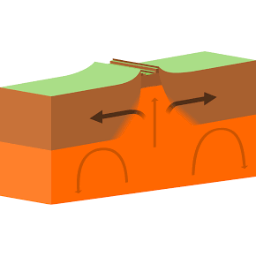
D I V E R G E N T B O U N D A R Y
Divergent boundary is when the plates are moving apart from each other and the magma flows out, creating new ocean crust, and forming a raised ridge (mid-ocean ridge).

C R U S T A L F E A T U R E S
-Underwater volcanoes
-Earthquakes
-New Ocean Floor
-Rift Valleys
- Full access to our public library
- Save favorite books
- Interact with authors


- < BEGINNING
- END >
-
DOWNLOAD
-
LIKE
-
COMMENT()
-
SHARE
-
SAVE
-
BUY THIS BOOK
(from $3.39+) -
BUY THIS BOOK
(from $3.39+) - DOWNLOAD
- LIKE
- COMMENT ()
- SHARE
- SAVE
- Report
-
BUY
-
LIKE
-
COMMENT()
-
SHARE
- Excessive Violence
- Harassment
- Offensive Pictures
- Spelling & Grammar Errors
- Unfinished
- Other Problem

COMMENTS
Click 'X' to report any negative comments. Thanks!