
Sources listed at the end.
Note: For best quality, please read off of a computer.
2018 WHERE Challenge Submission








So, how did you get here Mr. Pop?
Please, just call me Pop.


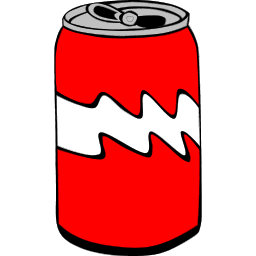


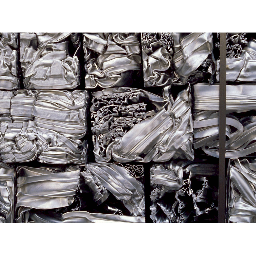
Well, I'm mainly composed of a material called aluminum. Aluminum is great for making pop cans because it is ductile, malleable, reflective, has a high resistance to corrosion, is lightweight, and can be recycled.
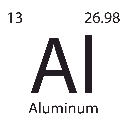
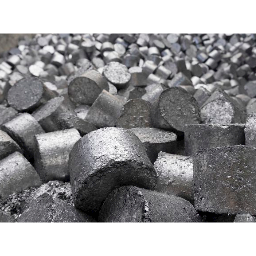

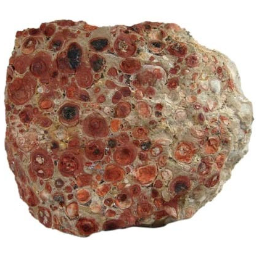
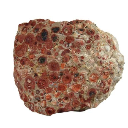
However, aluminum does not occur in pure form. It has to first be mined from an ore called bauxite. Bauxite contains around 15%-25% of aluminum and is non-renewable.
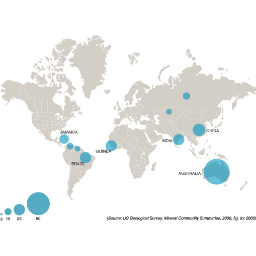
Although bauxite is not mined in Canada, it is mined in other countries such as Jamaica, Guinea, Brazil, and Australia, by a Canadian company called Rio Tinto Alcan. Bauxite is usually found in tropical or subtropical regions, covered by an overburden of rock and clay.


Okay, so after the bauxite is extracted from the open pit mines, how do they get the aluminum out of it?
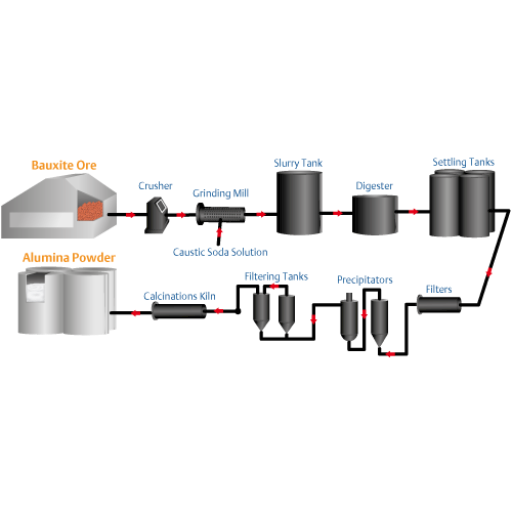
The bauxite then has to go through something called the Bayer process. This process results in the production of a substance called alumina, which we can then convert into aluminum.
The Bayer Process
1. Extraction
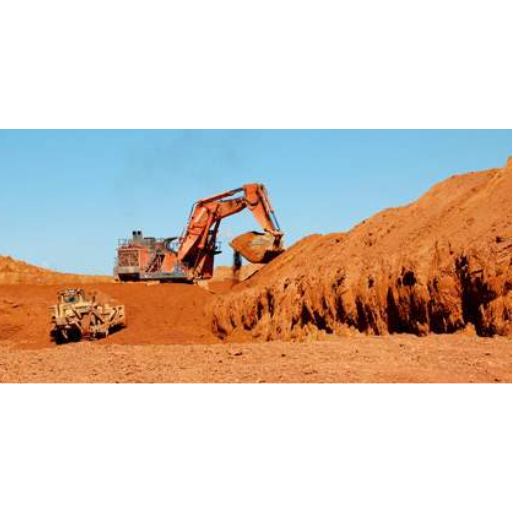
First, an ore called bauxite is mined and extracted from open pit mines in countries such as Jamaica, Guinea, Australia, Brazil and other tropical or subtropical regions.
Fact! It takes 4 tons of bauxite to produce 2 tons of alumina and 2 tons of alumina to produce 1 ton of aluminum!
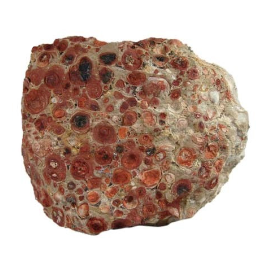
2. Crushing and Grinding
Next, the bauxite is sifted through screens to sort it by size before being crushed into smaller, more workable sized pieces using large grinders.
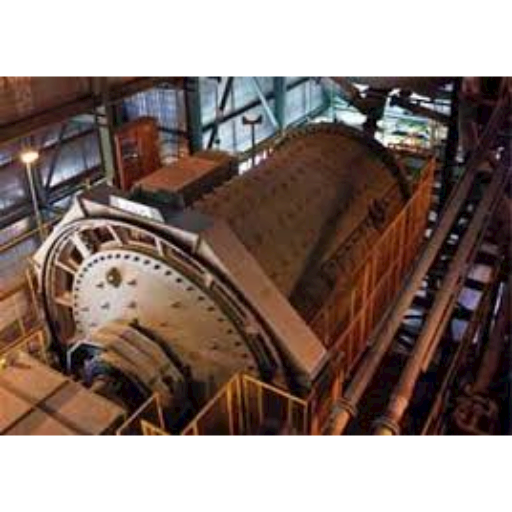
3. Dissolving
As the grinding mill continues to rotate, grinding the ore into an even finer consistency, the bauxite is then mixed with a chemical called caustic soda (sodium hydroxide (NaOH)) and dissolved at high temperatures and pressure.
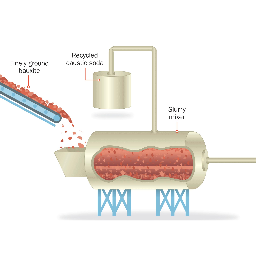
4. Filtration
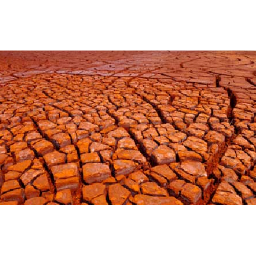
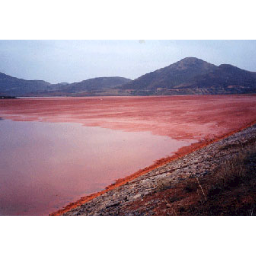
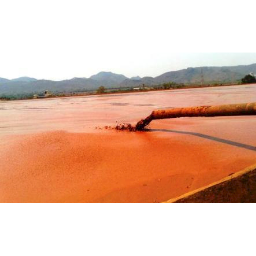
The mixture, which has now turned into something called a slurry, then has to be filtered to remove any undissolved impurities. These impurities usually contain iron, silicon, and titanium, and are commonly referred to as "red mud". The "red mud" slowly sinks to the bottom of the tank and is removed from the mixture.
5. Settling
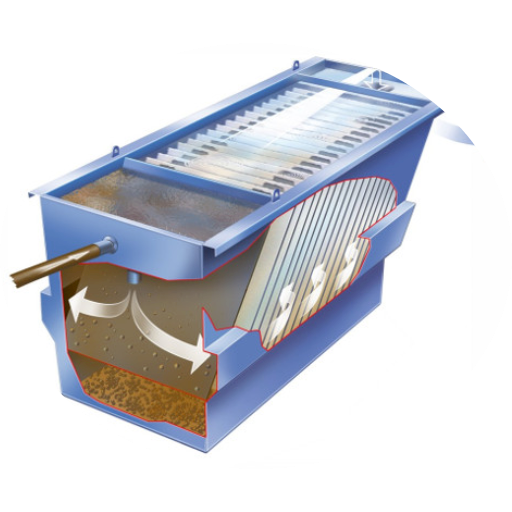
The mixture is then left in settling tanks where gravity helps separate the components of the mixture. Substances that do not dissolve in the mixture gradually sink to the bottom while the dissolved liquid above is directed through a series of large filters. These filters are just big cloth filters over a steel frame, and work similarly to coffee filters, catching any particles that are too large to pass through them.
6. Precipitation
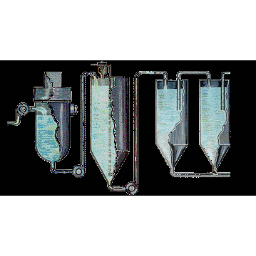
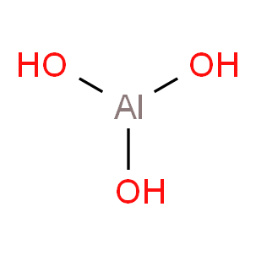
After being filtered, the remaining alumina solution is transported to tall tanks called precipitators. Here, as the hot substance begins to cool, tiny particles called aluminum hydroxide seeds are added to the mix. These previously produced seeds stimulate the precipitation of solid aluminum hydroxide crystals which then sink and settle at the bottom of the tank to be removed/collected.
7. Calcination
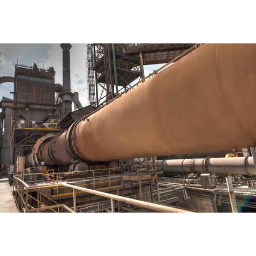
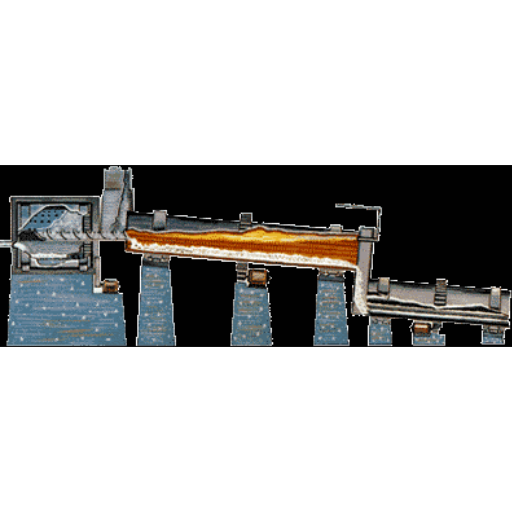
After being washed and filtered again, the alumina hydrate is transferred to calcination kilns. Once heated in the kiln, all of the excess chemically combined water and moisture from the alumina is removed. The kilns slowly rotate during this process to ensure that the alumina dries evenly.
Fact! These kilns can reach temperatures up to 1100 °C!
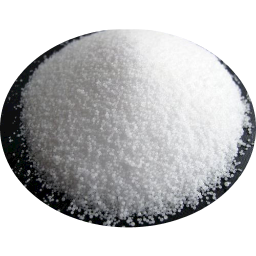
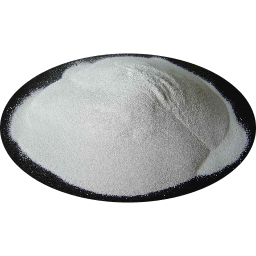
After the process is complete, we are left with a fine, white powder called alumina or aluminum oxide. The alumina can then be shipped to Canadian smelters owned by companies such as Rio Tinto Alcan, Alcoa, and Aluminerie Alouette in BC and various parts of Quebec.
8. Result
Fact! Quebec is home to 8 out of the 9 aluminum smelters in Canada.


Recap:

Wow! That's so cool! What happens next?
Once transported, the alumina then has to be smelted into aluminum through something called the Hall-Héroult process.
The
Hall-Héroult process
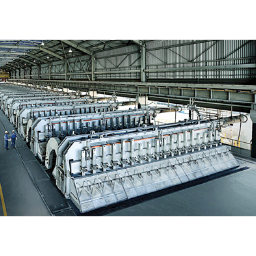
The Hall-Héroult process uses something called electrolysis to extract aluminum, but first, the alumina has to be turned into a liquid in order for electricity to be able to pass through it. To do this, the alumina is first placed into a carbon or graphite lined steel container called a reduction pot. These pots are usually lined up in long rows called potlines.
Electrolysis: "chemical decomposition produced by passing an electric current through a liquid or solution containing ions."
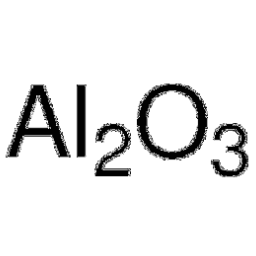
One way of turning the alumina into a liquid is melting it, however, the melting point of aluminum oxide is 2000°C! Melting it would take a lot of energy and cost companies a lot of money. To solve this problem, they dissolve the aluminum oxide in molten cryolite which lowers the melting point to 900°C, reducing the costs of extracting aluminum.
Fact! Cryolite is an aluminum compound with a much lower melting point than aluminum oxide.
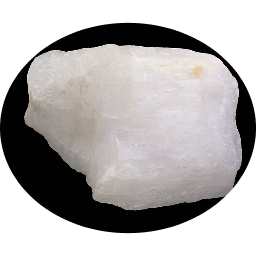
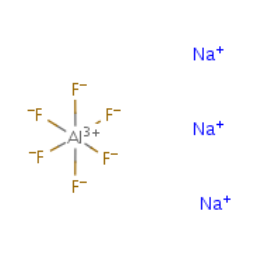
After the alumina dissolves, we are left with a liquid mixture of molten aluminum oxide and molten cryolite. We can now begin the process of electrolysis where electricity is passed through the mixture to separate the different components. We need to separate the aluminum particles from the oxygen particles so that they are free to move and we can extract the pure aluminum. But how do we do this?


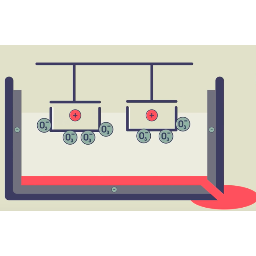
It all happens in the reduction pot. So, let's take a closer look at what it's actually made out of:
The outside of the pot is made out of carbon cathodes which are negatively charged
Positively charged carbon anodes are inserted into the top of the pot
There is also usually a siphon at the bottom of the pot to allow for the aluminum to be collected
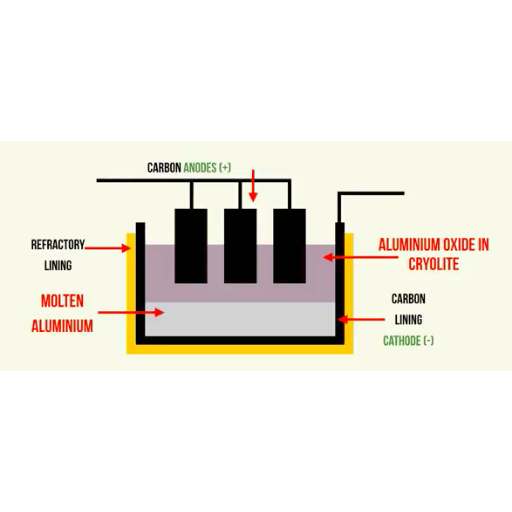
Fact! Carbon is used in reduction pots because it is a good conductor of electricity
Now that we know what a reduction pot is made out of, let's see what happens when the power gets turned on.
As electricity runs through the carbon anodes and into the tank, the positive aluminum ions are attracted to and reduced at the negative cathode where they then gain electrons and sink to the bottom of the tank. The aluminum sinks because it is more dense than the aluminum cryolite solution. Here, it sits as a layer of pure molten aluminum before being tapped out and collected through a small siphon at the bottom corner of the tank.


On the other hand, the negative oxygen ions are attracted to the positive electrodes and are separated from the aluminum ions. The oxygen floats upwards and forms at the anodes. However, the oxygen actually reacts with the carbon in the rods and creates carbon dioxide (CO2). The carbon dioxide then wears away at the rods, causing them to need regular replacements. This is part of the reason this process is so expensive!
Cool! So we finally made pure aluminum! But, what happens to it now?
Well, allow me to explain!
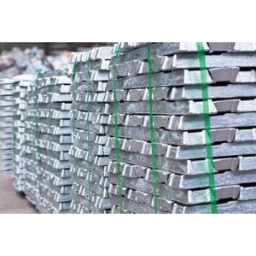
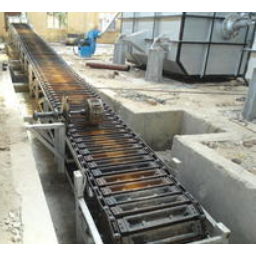
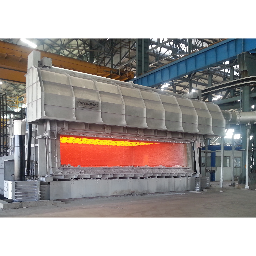
The aluminum is then placed into a holding furnace and cast into ingots to be shipped to factories such as Rexam Beverage Cans North America Archives.

In the Factory
The aluminum used to make pop cans is usually rolled out into long, thin sheets and sent to factories as 20 000 pound aluminum coils.
Fact! Each coil of aluminum will make around 700 000 cans!
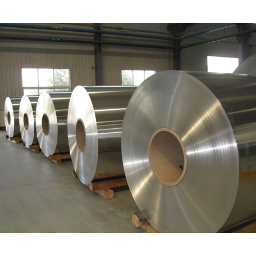
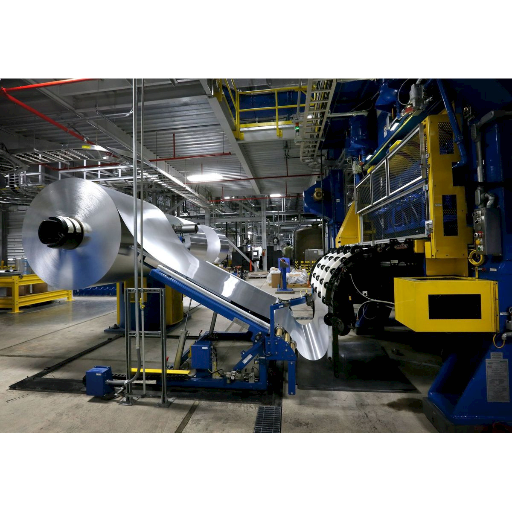
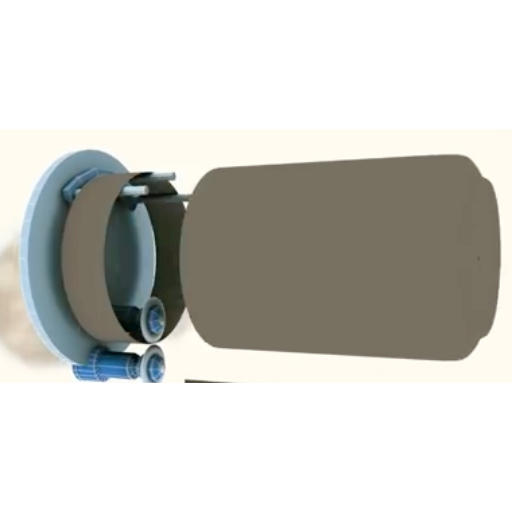
Once the coil is loaded, it is then pulled through a machine called "the cupper". Here, a punch press forces the metal through dies, forming shallow cups. The cups then move to a buffer area to be distributed to the next machine called "the body maker".
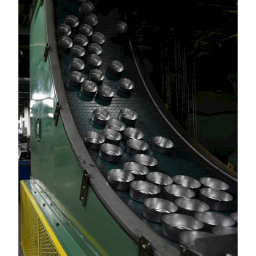
Once the cups reach "the body maker", a punch forces each cup through a series of dies that decrease in size, therefore creating the body of the can. Since this step in the process requires a lot of lubricant, the cans emerge with an oily residue.
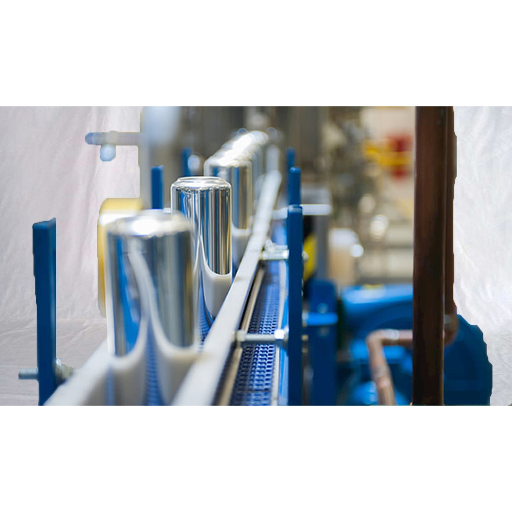
The cans are then sent to a trimmer to cut them down to the right size and remove any sharp edges. After this, to get rid of their oily exteriors, the cans are then sent to a 6 stage bath. One part of the bath includes the use of sulfuric acid to help wash away and break down the oil. Once washed, the cans pass through an oven to dry.

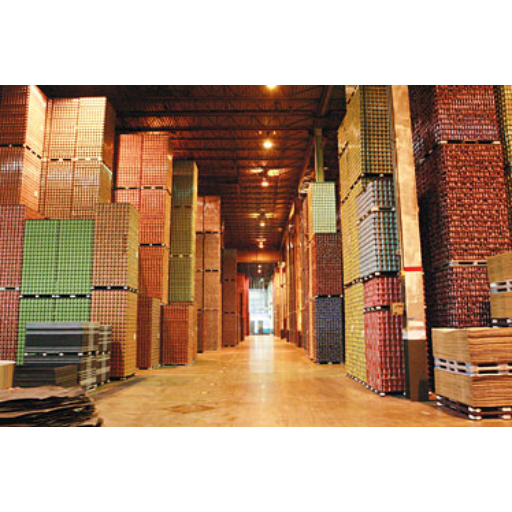
After that, the cans are stacked and transported to another factory to be filled, sealed with a lid, and labelled, before they are ready to be sent to your local supermarkets.
Fact! These factories make roughly 7 million cans an hour and over 60 billion cans every year!!
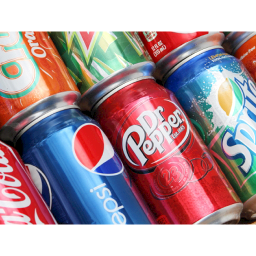


Is it safe to have the beverage completely exposed to the metal though?
Don't worry! Pop cans actually have a thin polymer lining on the inside to protect the drink from having direct contact with the metal and to prevent spoilage.
- Full access to our public library
- Save favorite books
- Interact with authors
- < BEGINNING
- END >
-
DOWNLOAD
-
LIKE(2)
-
COMMENT()
-
SHARE
-
SAVE
-
BUY THIS BOOK
(from $11.19+) -
BUY THIS BOOK
(from $11.19+) - DOWNLOAD
- LIKE (2)
- COMMENT ()
- SHARE
- SAVE
- Report
-
BUY
-
LIKE(2)
-
COMMENT()
-
SHARE
- Excessive Violence
- Harassment
- Offensive Pictures
- Spelling & Grammar Errors
- Unfinished
- Other Problem





COMMENTS
Click 'X' to report any negative comments. Thanks!