This is the book of Easter traditions in Europe.
It is the collaborative work of partners from different countries who are glad to introduce you to Easter customs and ancient rituals which are deeply rooted in the European culture.
We discover our common traditions through a child's eyes, working with our pupils.

Easter in Romania
Nicoleta Haraga
The resurrection of the Jesus Christ is one of the most important and most beautiful celebrations of Christendom. It has the gift of bringing the family together and is full of traditional customs.
Red Eggs. The most common Christian Easter custom is painting red eggs. They are on the generous table on the first day of this holiday and make the delight of the little ones who are just waiting to crack. There are several legends related to the custom of the egg painting in Romanian culture. The most popular of them says that the Mother of God, who had come to cry his crucified son, placed the
basket of eggs near the cross, and they were reddished with the blood
dripping from the wounds of Jesus.
Holy light. On the night of Resurrection, believers are encouraged to go to the church and take light. They have to bring home a candle, which they will light up with the one that the priest takes away from the altar.
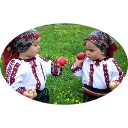


Light is the symbol of the Resurrection. Most of the families keep the rest of the unburned candle left after the celebration and light it during the year if they have a great trouble or sadness. At the end of the Resurrection celebration, everybody has traditional home made food like Easter sweet bread and pasca and the priest blesses them.
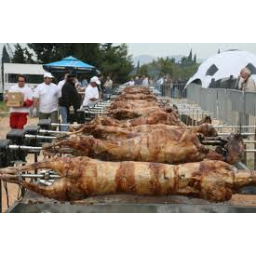
Lamb. In Romania, all the families serve at Easter table lamb prepared in various forms. Whether it's roast or bacon, the little ones and the big ones enjoy tasty meat. The Lamb is the symbol of the Savior Jesus, who was sacrificed to save mankind.
Pasca. This sweet preparation made from dough, cheese and raisins is among the favorite dishes of the little ones. It is prepared once a year by mothers and grandparents.

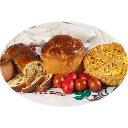
TYPICAL EASTER CAKES IN SAN GIOVANNI ROTONDO
The "Propati della zita" are typical Easter cakes of San Giovanni Rotondo.
They present the shape of a tarallo and are spiced with cinnamon. In San Giovanni Rotondo they use them during the Holy Week, a period of prayer and fasting.
The "Scarascedd" is braided bread to the palm tree blessed during Palm Sunday and decorated in various ways: with eggs embedded and brushed with beaten egg (which guarantees its gilding), or with white glaze and colored tails which garantee the color and goodness of the product.
The "Pucciàtidd" has very few ingredients for a truly delicious Easter cake such as eggs, oil, a little salt and flour. They should be boiled, cooled, then cooked in the oven and once cooled with icing which is called "scilépp" in Puglia.
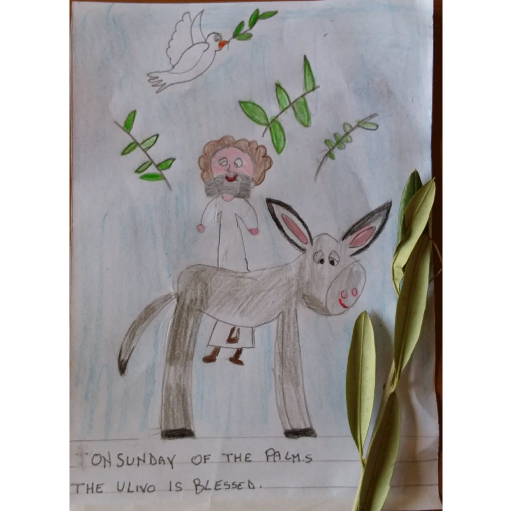
Holy Week in Italy
Holy Week marks several important events for the Christian faith: the Last Supper, the Washing of the Disciples’ Feet, Jesus in the Garden of Gethsemane, the kiss of Judas, the Calvary, the death of Christ, Deposition, Burial and Resurrection.On Holy Thursday morning a Chrism Mass is held in the Cathedral of each diocese.
On Holy Thursday is also the evening dedicated to the Eucharistic Feast, with the tomb visits that take place in every parish (a reproduction of the tomb of Christ), in remembrance of The Last Supper and the foot- washing takes place in each parish.
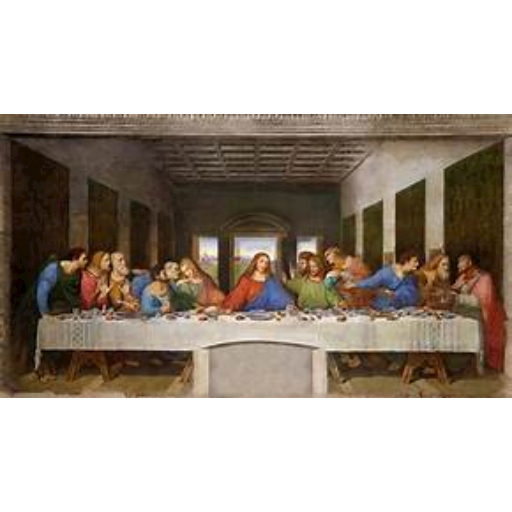
Leonardo da Vinci's painting "The Last Supper"
The night of Holy Thursday in the year 1529, when Como was under Spanish rule, the Brothers of the Disciplini were taking a precious Crucifix in procession. On their way, they found the bridge on the river Cosia blocked by two big chains, one on top of the other. Following a refusal to remove them, the Disciplini tried to cross the bridge by tilting the Crucifix. It turned out to be unnecessary as the big ring fixed to the wall in order to sustain the chain fell down. All that were there said that was a miracle.
In St. Bartholomew Church the ring of the chain of 1529’s miracle of the Crucifix is still hanging and people are used to kissing it. The Crucifix of the Miracle is located on the main altar of the Basilica of the Most Holy Annunciation, beside two angels holding broken chains. It is accessible and approachable only during the Holy Week. When it is exposed to be kissed by the people, during the Holy Week, it is placed on a stand in the presbytery, imitating a Calvary, and can be reached by two specially made ramps.
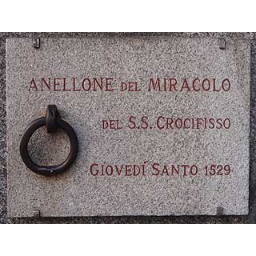
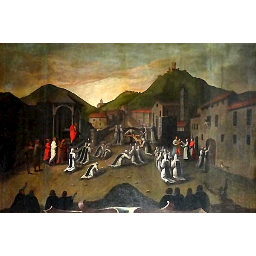
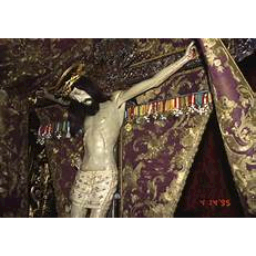
The Crucifix of the Miracle, Como, Italy
Good Friday in Como
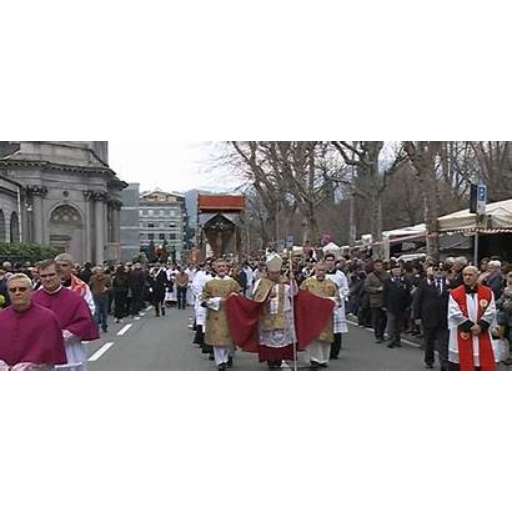
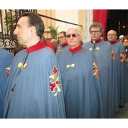
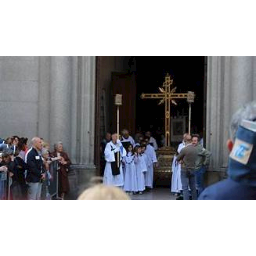
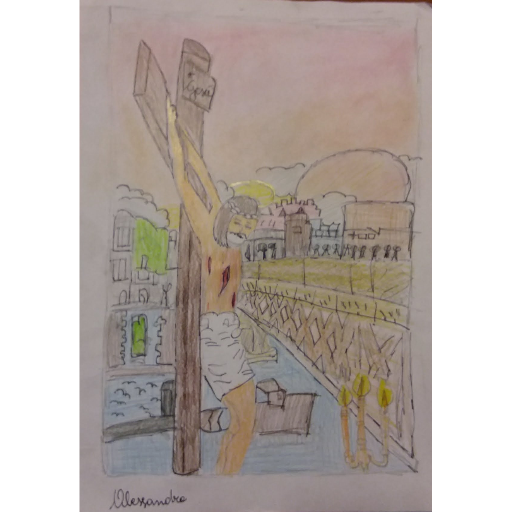
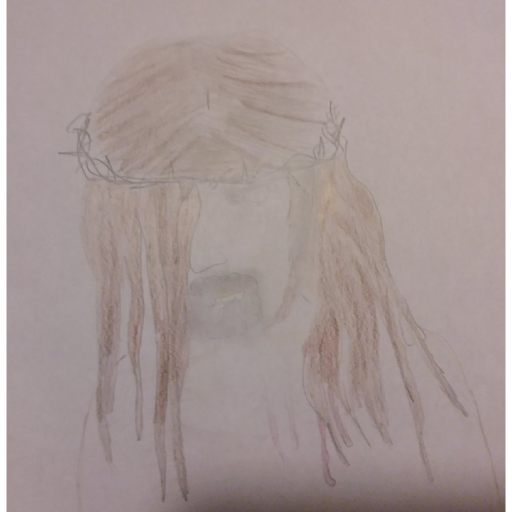
On Good Friday or Holy Friday people get up early in Como. They go to kiss the Crucifix of the Miracle at the Basilica dell'Annunziata, the church from where the solemn Procession of Holy Friday will start in the afternoon at three o'clock. The procession is led by the Bishop and is followed by lots of people and authorities.
Near the Basilica dell'Annunziata an open-air Easter market offers a lot of different stalls where you can buy every kind of goods.

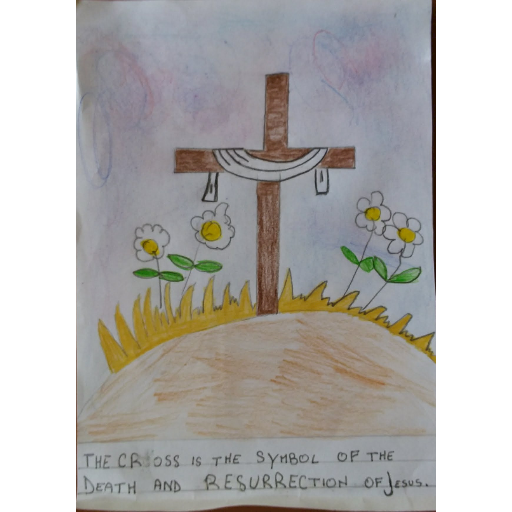
Easter Vigil
This is a day of rest and mourning, called Saturday of silence.
The Vigil starts around ten o'clock.
A fire is kindled outside the church and small candles are enlightened by the fire. People enter the church, which is dark, with their candles, and when the Paschal candle is set on its stand then lights are switched on.
This is the Service of Light, followed by the Paschal Proclamation, liturgical readings, the Blessing of Water (some water can be taken home) and the renewal of Baptismal Vows.
The Liturgy of the Eucharist marks the first Holy Mass of Easter Day.
The Service of Light
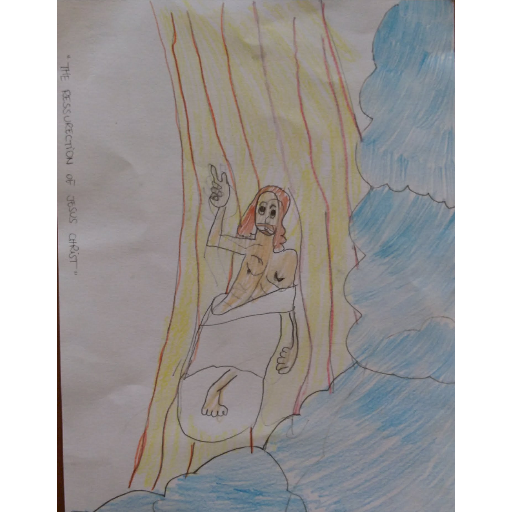
A typical Easter cake in Como
The "Resta" is a typical cake prepared at Easter, particularly on Palm Sunday.
Its name comes from "resca" or "lisca" which means "fishbone".
It has got an oval shape and an olive branch is put inside the cake as a symbol of peace.
It has very ancient origins. It takes a lot of time to cook it, three phases of leavening are needed to prepare the Resta.
The "Resta"
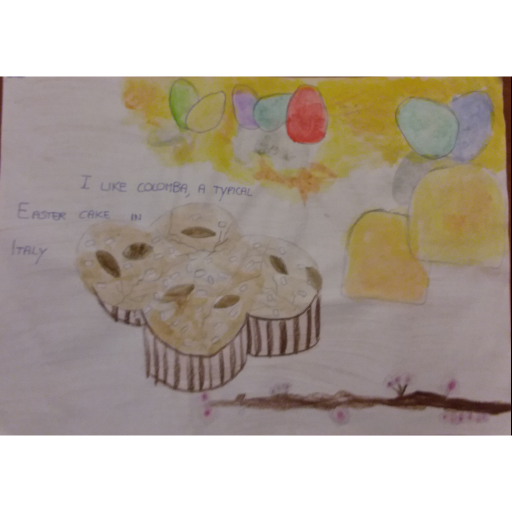
Easter Day in Italy is celebrated with all the family gathered to have a big meal: we eat starters, homemade pasta, lamb, vegetables, Easter cakes and we open the chocolate egg which contains a surprise.
On Easter Monday or Pasquetta families and friends go on trip and they have a nice picnic altogether.
Holy Easter in Italy
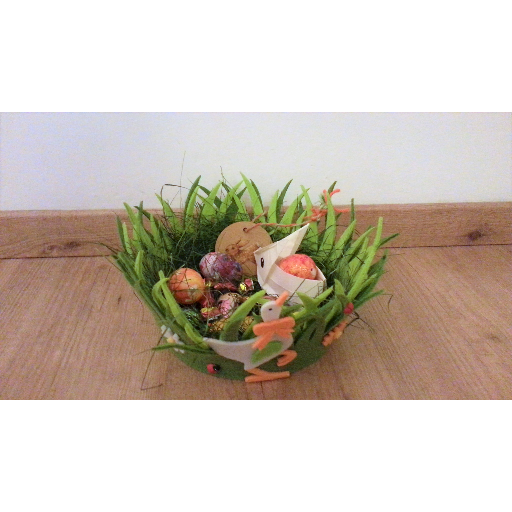
Greek Easter
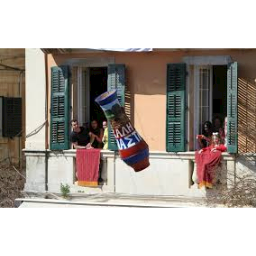
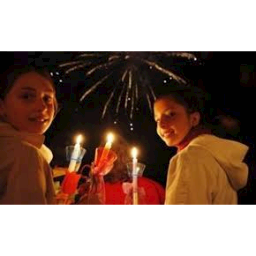
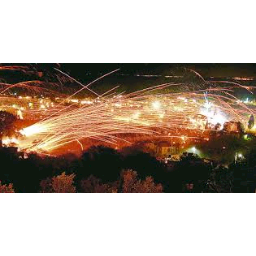
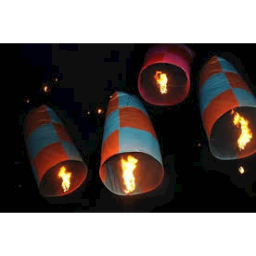
Easter in Greece
Α traditional custom in Greece are the red eggs.
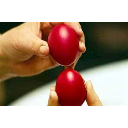
The bigThursday we boil eggs and then we dyed them red or we decorate them with different designs and flowers. On the day of the Resurrection of Christ we are scraping them.Whoever manages to keep his egg strong, is the winner and the lucky one.
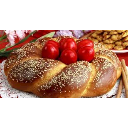
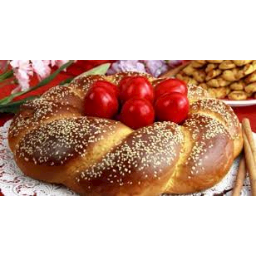
A red egg is placed by the housewives in the midst of the bread that brew and resolves in the Easter day
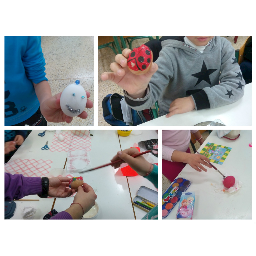
The pupils prepare Easter eggs
Easter bread with red eggs
Easter wishes by Greeks...
Χριστός Ανέστη!!
Αληθώς Ανέστη!!!
Greek Easter wishes
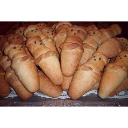
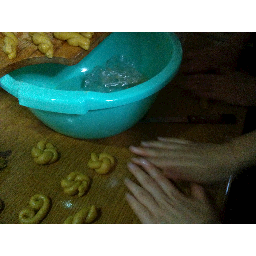
We make Easter cookies in the school
4o primary school of Ilion\
Easter in Poland
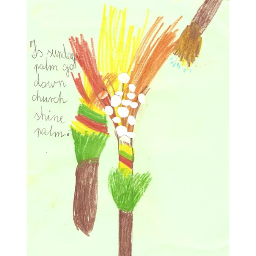
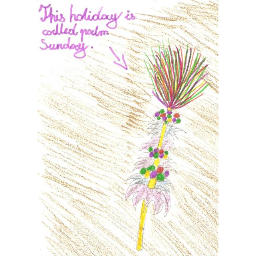
On Sunday, the week before Easter, we bring a palm to the church. These palms are made of grass and paper flowers. The priest blesses the palm.
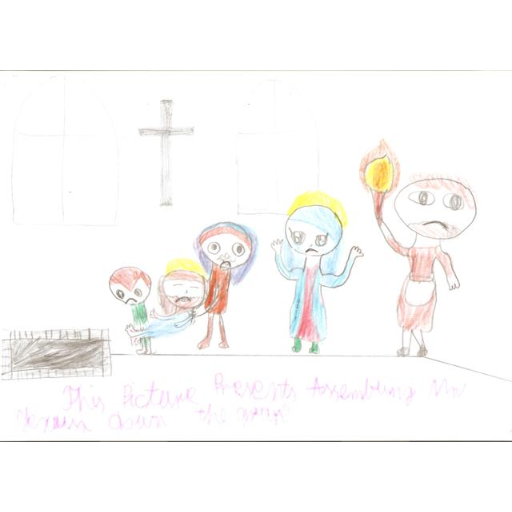
On Friday there is the greatest celebration of the Church. On this day, the bells fall silent, because Jesus died on Friday.
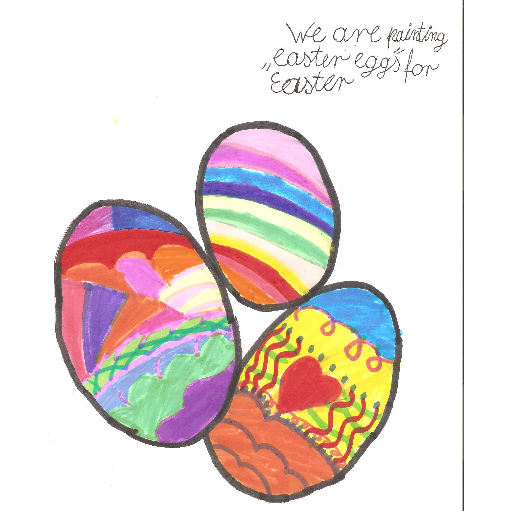
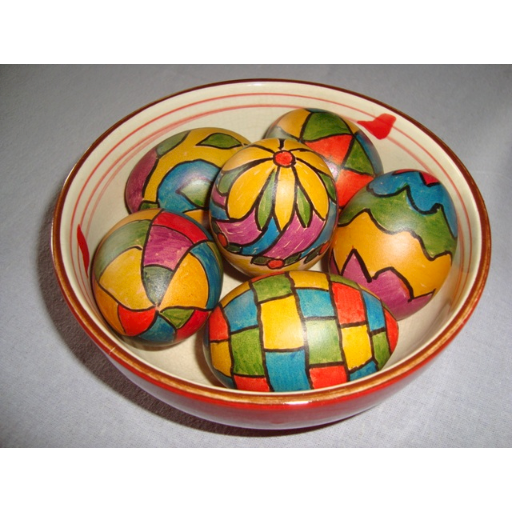
We paint eggs for Easter. Eggs are The eggs are very colorful and they have different patterns.
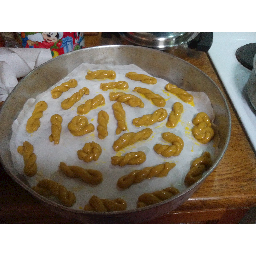
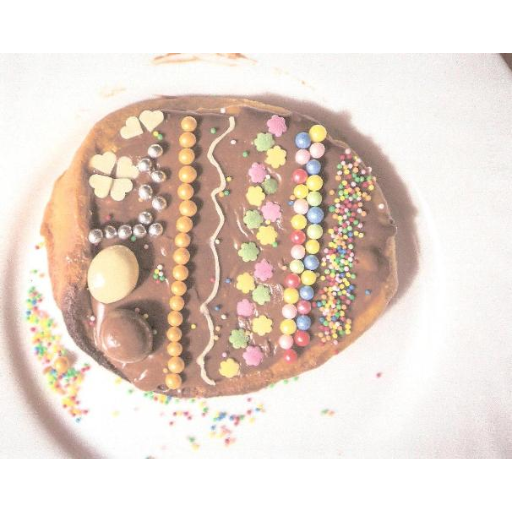
We make cakes: mazurkas. These cakes are with nuts, almonds, raisins and apricots. We make pascha too. There is desert made of cottage cheese and bacalies.
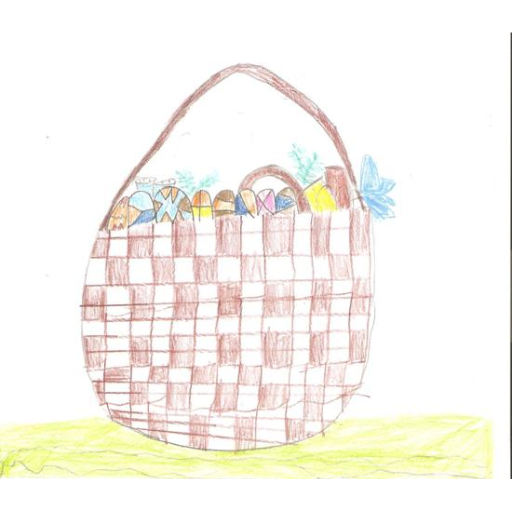
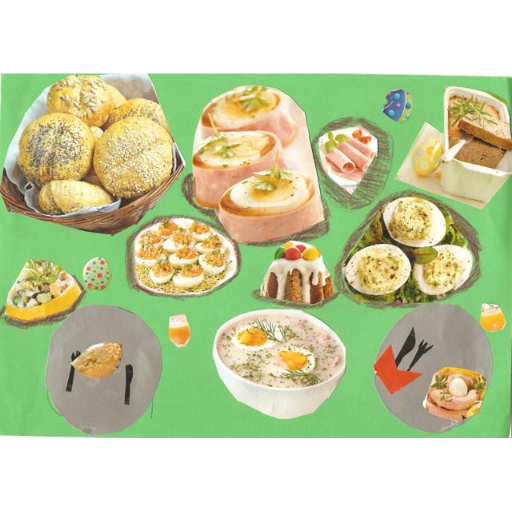
On Saturday, we go to the church with a basket. In the basket we have painted eggs, ham, bread, butter and cake. The priest blesses the food in the basket.
On the night of resurection believers go to the church and take light.They have to bring a candle witch they will light up from fire.
On Sunday there is an Easter breakfast. We share the food from the basket.
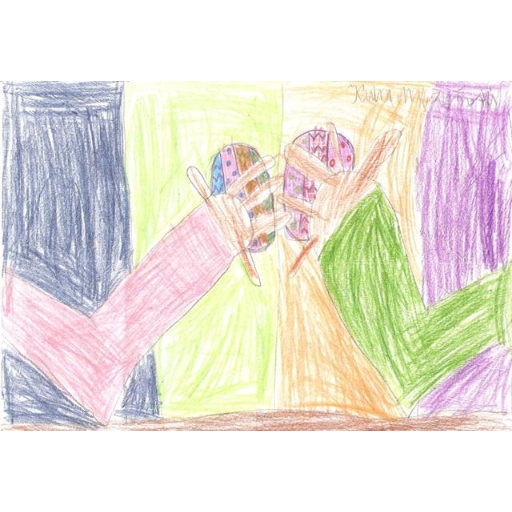
During breakfast, we hit the egg with an egg. Where is a custom of breaking eggs. two people hit their eggs. Whose eggshell isn't broken wins.
Easter Monday is "śmigus dyngus". People are splashing each other with water.
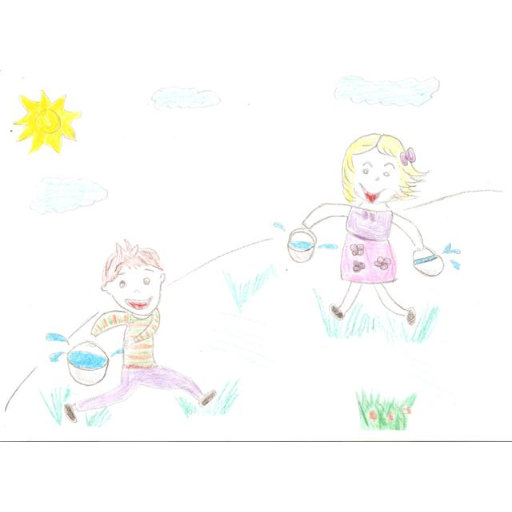
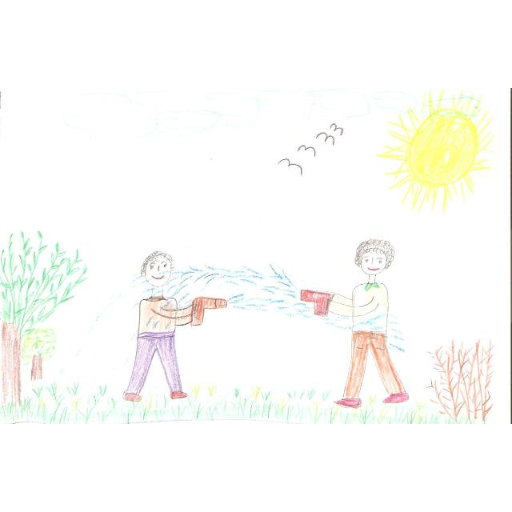
This is a very fun game.
Easter in Sardinia, Italy
A typical tradition: "Su Nenniri"
Primary School "Via Roma" Selargius, Italy - class 1E
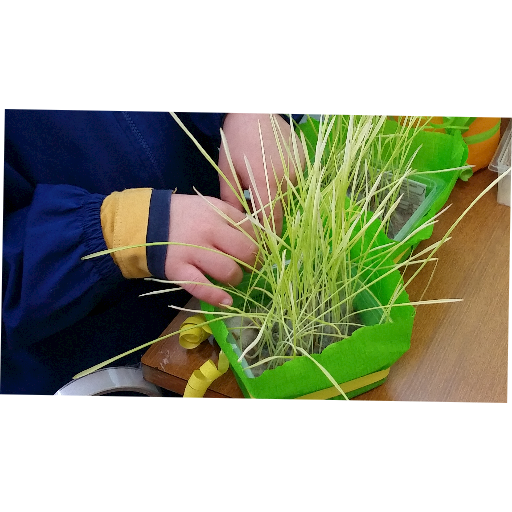
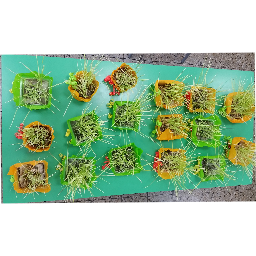
“Su Nenniri” is a sardinian tradition related to Easter, which comes from the ancient Sardinians who lived in our isle thousands of years ago.
The Sardinian women, at the beginning of Lent, sowed seeds of wheat, barley, lentils or other cereals in small vases,
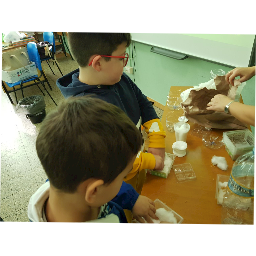
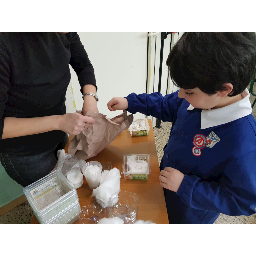
watered them everyday
and put them under their beds or in closed cupboards, in order to let the plants grow without any light and become very light and bright green.
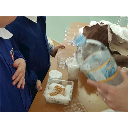
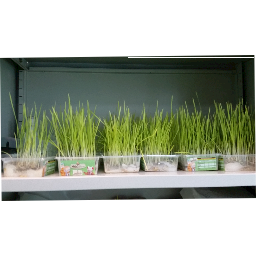
The Thursday before Easter the vases were decorated with coloured stripes, brought to the churches and put in the chapels that remind the death of Christ.
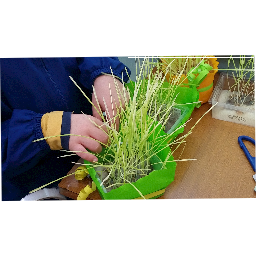
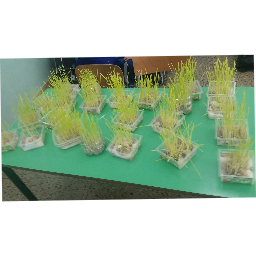
Su Nenniri is a symbol of the awakening of nature in spring, as well as Jesus Christ brings light and hope to humankind with His Resurrection.
Su Nenniri can also be given as a wish of fertility and prosperity and it's put in the Easter table.
Primary School in Józefów, Poland – class II a
Easter traditions in Józefów, Poland
Easter traditions in Poland vary depending on the region, but they are constantly cultivated from one generation to another.
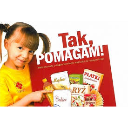
Charity activities- Caritas volunteers collect food in stores for people in need under the slogan "YES, I HELP".
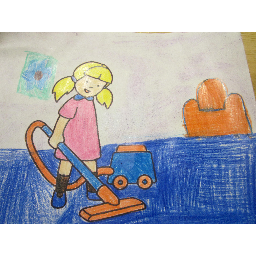
Great house cleaning – before Easter we tidy up our houses, which also has a symbolic meaning: we sweep away winter, evil and disease from home.
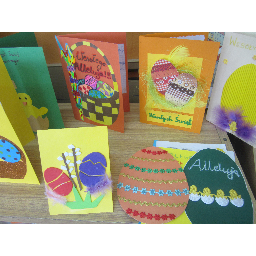
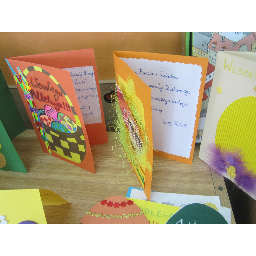
Easter cards – we make beautiful cards and write wishes for our families, friends and institutions.
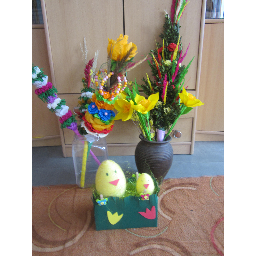
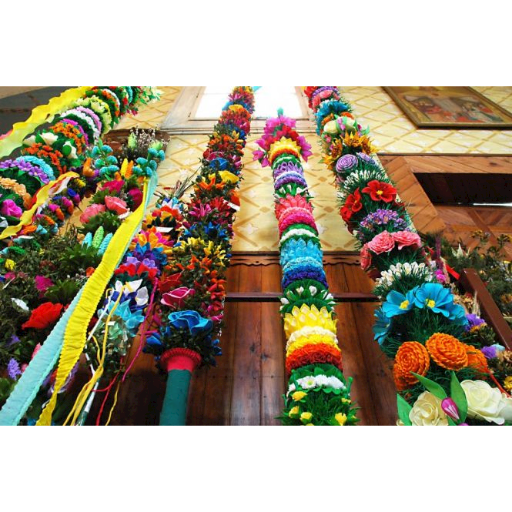
Contests for the most gorgeous palms –
just before Palm Sunday we make palms.
The Kurpie region is famous for the most wonderful palms.
Palm Sunday – is the last Sunday before Easter and the first Day of the Holy Week.
On this day we bless palms
in churches.
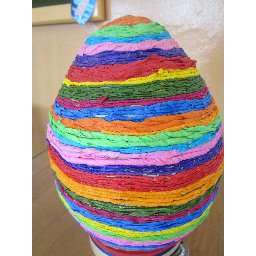
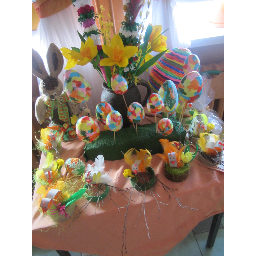
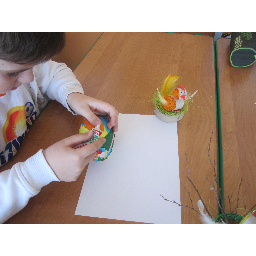
Different kinds of Easter eggs - eggs painted in one color are called kraszanki or malowanki; eggs decorated with a single or multi-colored patterns applied on a uniform background
are called Easter eggs; some are also using stickers to decorate their Easter eggs,
The Paschal Triduum:
Thursday symbolizes the Last Supper of Christ and his disciples.
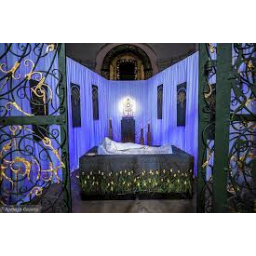
On Good Friday there are ceremonies celebrating the crucifixion of Christ. The significant part of the Good Friday liturgy is the solemn adoration of the Cross. Families visit representations of the tomb of Christ, often decorated in a spectacular fashion for the occasion. We don't eat meat this day.
On Holy Saturday – in the morning, we prepare a basket which contains traditional Polish food. People go to church and there priest blesses the food. In the evening water and fire are also blessed in churches (fire is lighted outside the church and blessed by priest).
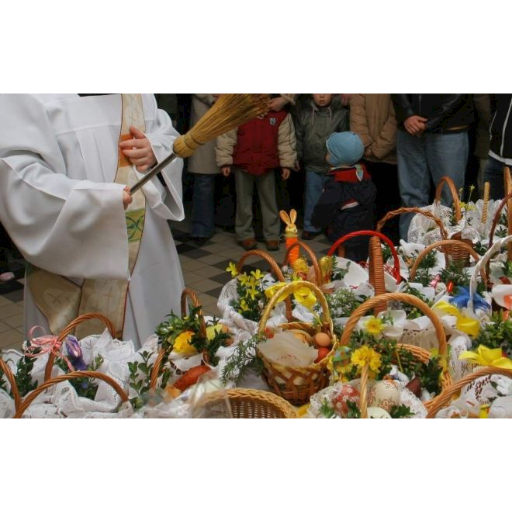
A typical Easter basket in Józefów contains: eggs, bread, salt, pepper, butter, sausages, horseradish, cottage, sugar lamb and ham. The basket is decorated with boxwood twigs and covered with a white napkin.
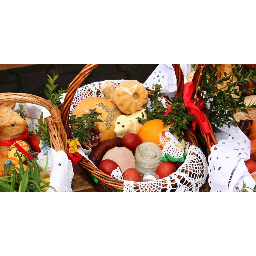
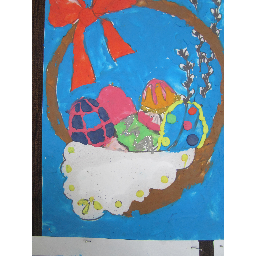
Easter Sunday, celebrates the Resurrection of Christ and starts with a special Mass in the early morning at 6.00 o’clock. The entire families gather to eat breakfast. Before the meal, people share wedges of the blessed Easter eggs from the basket. They exchange wishes and consume food blessed the day before.
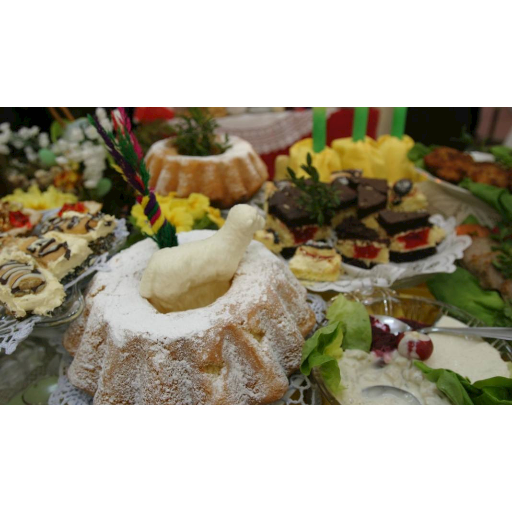
Easter breakfast consists of hard-boiled eggs, white sausages, vegetables salad, cold meats, white borsch and other dishes. On the table there are also cakes: babki , mazurki and Easter decorations: lamb to symbolize Christ, Easter eggs to symbolize the new life.
Easter Monday in Poland is known as śmigus - dyngus. On the second day of Easter there is a tradition of pouring water on our family members and friends.
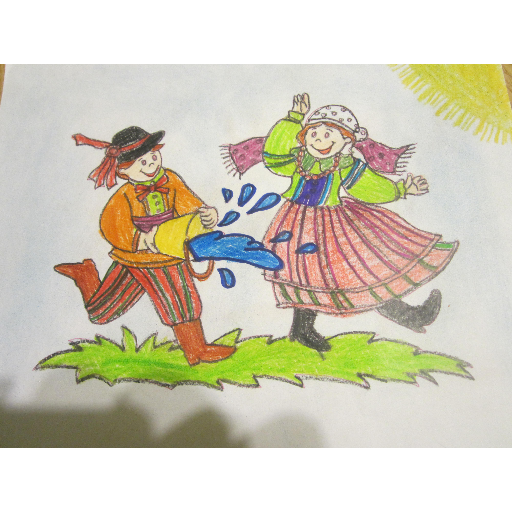
Easter in Poland by teenagers from Płock.
- Full access to our public library
- Save favorite books
- Interact with authors
- < BEGINNING
- END >
-
DOWNLOAD
-
LIKE(4)
-
COMMENT()
-
SHARE
-
SAVE
-
BUY THIS BOOK
(from $19.99+) -
BUY THIS BOOK
(from $19.99+) - DOWNLOAD
- LIKE (4)
- COMMENT ()
- SHARE
- SAVE
- Report
-
BUY
-
LIKE(4)
-
COMMENT()
-
SHARE
- Excessive Violence
- Harassment
- Offensive Pictures
- Spelling & Grammar Errors
- Unfinished
- Other Problem





COMMENTS
Click 'X' to report any negative comments. Thanks!