Also to my Social Studies teacher Mr. Galbraith who taught me everything in this book.


This book is dedicated to my family and my friends Alyssa, Brynn, and Sonali!

TABLE OF CONTENTS
~Chapter 1: Government
~Chapter 2: Exploration
~Chapter 3: Colonization
~Chapter 4: Scientific revolution
~Chapter 5: Enlightenment
~Chapter 6: American revolution
~Chapter 7: French Revolution and Napoleon
~Chapter 8: latin american revolutions
~Chapter 9: Industrial revolution
~Chapter 10: Imperialism
~Chapter 11: World War I
TABLE OF CONTENTS
~Chapter 12: World War II
~Chapter 13: Cold War
~Chapter 14: Modern worlds


Chapter 1:
Government
Government is an important part of the world. There are multiple types of government all over the world. Government maintains order, rules, and help provide people with service.

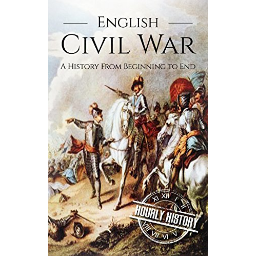
An important event in history was the English civil war. The English Civil War was a major struggle in England between the powers of the people, represented in the form of Parliament, and the monarch, Charles i. Parliament began making demands to Charles I. Parliament wanted Charles I to allow Parliament to begin making decisions, which would limit the absolute power of the monarch. These challenges were based on political , economic, and religious issues that had been going on since the reign of Charles’ father James I.
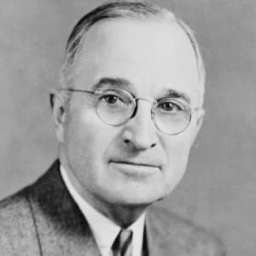
An important person in history is Harry S. Truman. He was the 33rd president in US history. He was the president that dropped the atomic bombs on Hiroshima and Nagasaki. This happened in 1945. When president truman dropped the atomic bombs, it ended World War II.

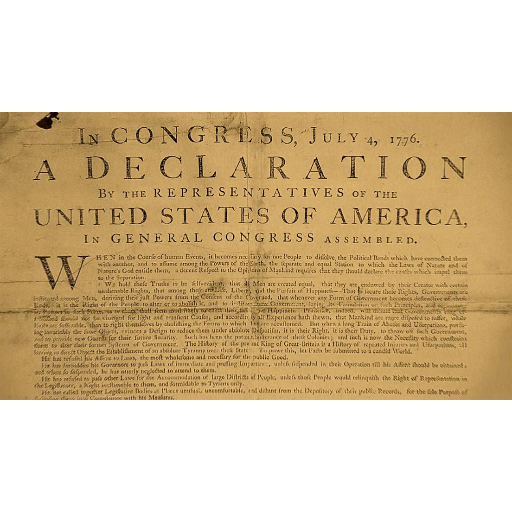
An important document in the Government is the Declaration of Independence. The Declaration of Independence was dated on July 4th, 1776. The Declaration of Independence signed by the congressional representatives of the 13 colonies of America. The document was signed by 56 delegates to the Continental Congress.
Chapter 2:
Exploration
England, France and Spain’s explorers/conquistadors; where they laid claim to the land; new technologies for Exploration (caravel, sextant [used for latitude], astrolabe, compass) and from the Scientific Revolution (telescope, heliocentric theory, microscope, etc.); Columbian Exchange.

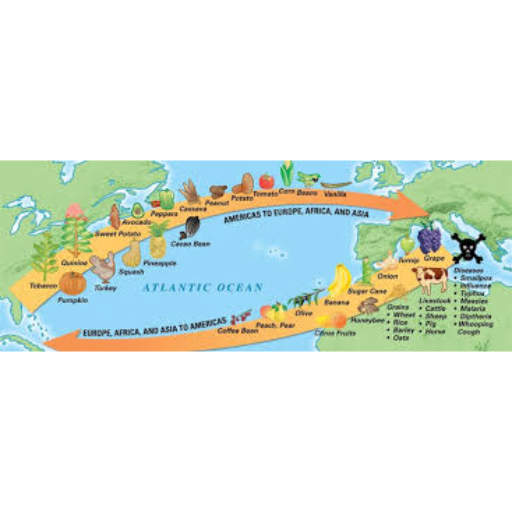
An important event in history during exploration was the Columbian Exchange. The Columbian Exchange was a transfer of ideas, humans, culture, plants and various technologies, that occurred in the 1400s and 1500s between the Old world and the Americas. The Columbian Exchange took place after Christopher Columbus's voyage. The exchange also brought diseases and invasive species that had a negative impact. many people suffered losses because of the horrible diseases brought over by the Europeans.
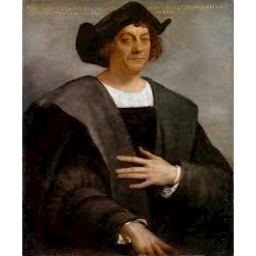
An important person in history is Christopher Columbus. Christopher Columbus was an explorer who discovered America. Before he became a explorer, Columbus was a trader. He learned how to make maps and navigate ships. Columbus knew that there were riches in China and East Asia. Columbus thought that he could sail straight to China by crossing the Atlantic Ocean. Columbus was wrong about the Earth was much larger than he thought. There was actually land in between europe and Asia. That was America.
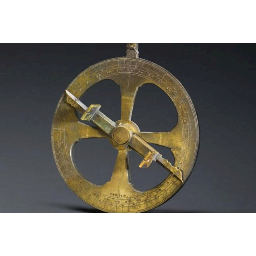
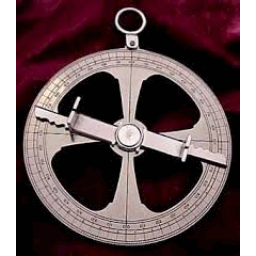
an important invention in history was an Astrolabe. The Astrolabe was an instrument used for taking the altitude of the sun or stars and for the solution of other problems in astronomy and navigation. This device helped sailors use the position of the stars to figure out their location.
Chapter 3:
Colonization
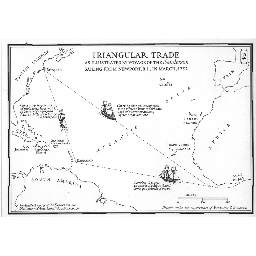
The concept of mercantilism for the mother country; policies to control trade between Asia (Silk Road), Africa and Americas; beginnings of capitalism; rise of the middle class; triangular trade and middle passage.
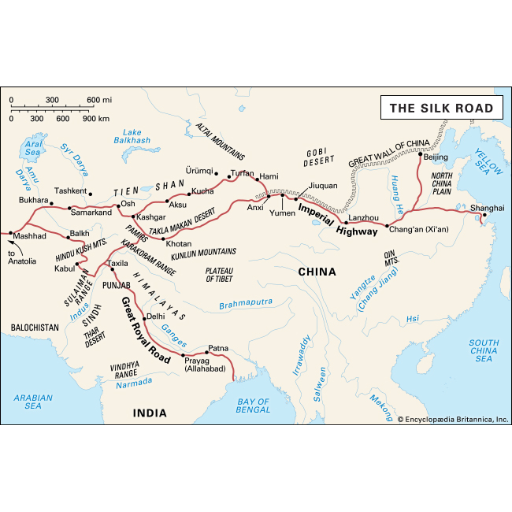
An important event in history was the silk road. The Silk road ran from Europe to the Indies. It was kept safe by the strong Chinese rulers, but later, new rulers took over the Silk road. It became unsafe to travel. this increased taxes made trade very expensive. Then the Ottoman rulers became "middlemen" in trade between Europeans and Asians, Asian goods became too expensive for most europeans to buy.
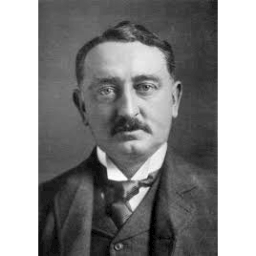
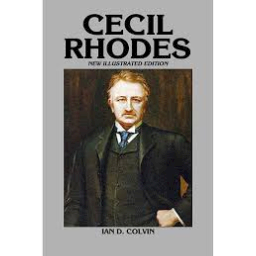
An important person in history was Cecil Rhodes. Cecil Rhodes was a British businessman, mining magnate and politician in southern Africa who served as Prime Minister of the Cape Colony from 1890 to 1896. Rhodes entered the Cape Parliament in 1880, and a decade later became Prime Minister.
Mercantilism was very important in history. Mercantilism is an economic system aimed at self-reliance and strengthening the national economy by accumulating bullion, gaining colonies, and establishing a favorable balance of trade. Mercantilism was popularized in Europe during the 1500s. The system was based on the understanding that a nation's wealth and power were best served by increasing exports and collecting precious metals, such as gold and silver. Mercantilism replaced the older, feudal economic system in Western Europe, leading to one of the first occurrences of political oversight and control over an economy.

Chapter 4:
Scientific Revolution
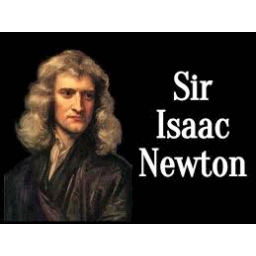
The Scientific Revolution challenged and changed authority and political beliefs. It also led to and influenced the Enlightenment philosophers. The Scientific Revolution challenged the Catholic Church and important people like Copernicus, Galileo, Newton, and Bacon.
An important event during the scientific revolution was the way we see the Solar System. Ptolemy's theory of planetary motion (the geocentric theory) and church teachings were brought into question. by Copernicus’s heliocentric theory. Galileo offered support for the heliocentric theory with his experiments concerning motion and his observation of space with use of the telescope.

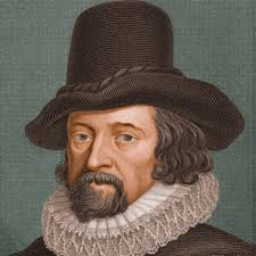
An important person in the Scientific Revolution was Francis Bacon. He discovered the scientific method which was a major contribution of this time period, establishing a systematic way to find proof using reason This was the logical procedure to test theories that included:
-Begin with a question
-Form a hypothesis that is then tested
-through experimentation
-Analyze the data to reach a conclusion
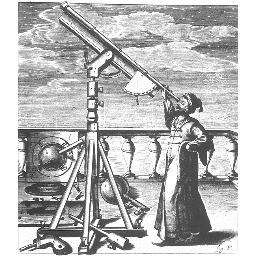
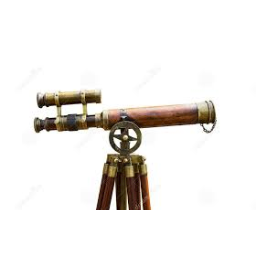
An important invention used during the scientific Revolution was the telescope. The telescope is a device that made far away things look near gave observers a new perspective. The telescope was used by merchants to see upcoming trade ships in order to beat out the competition.
Chapter 5:
Enlightenment
Enlightenment was a philosophical movement of the 18th century marked by a rejection of traditional social, religious, and political ideas and an emphasis on rationalism. Some of the many important people during this time are Locke, Rousseau, Montesquieu, and Voltaire.

The Enlightenment was an important event during history. The Enlightenment was seen as an intellectual movement of the 17th and 18th centuries which sought to apply “reason” to society and thereby better understand and improve society. The Enlightenment produced numerous books, essays, inventions, scientific discoveries, laws, wars and revolutions. The American and French Revolutions were directly inspired by Enlightenment ideals.
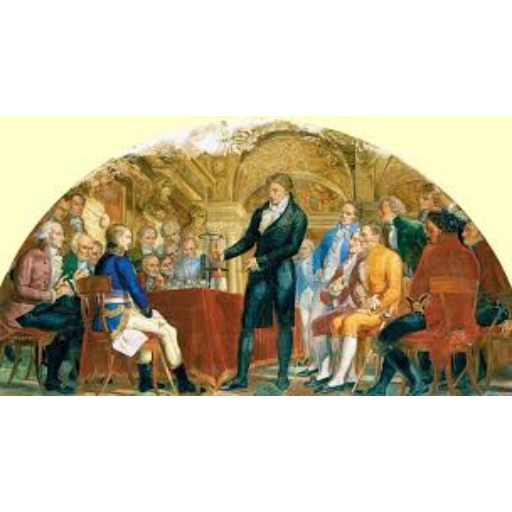
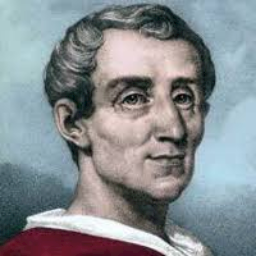
An important person during the Scientific revolution is Baron de Montesquieu. Montesquieu focused on governmental organization by promoting the ideas of separation of powers and checks and balances. A government must be limited as each branch checks the others' powers. Advocated modifying the English system of the time of having two branches, executive and legislative, to having three branches; the executive (monarch), legislative (Parliament), and judicial courts).
An important discovery during history was the scientific Method. The Scientific method was discovered by Francis Bacon. The Scientific Method has 7 steps. The 7 steps are:
1. Observation/Question: Topic for research and experimentation or question that needs to be answered.
2. Research: Find information about your topic.
3. Hypothesis: Predict the outcome of the problem.
4. Experiment: Develop a procedure to test the hypothesis.
5. Collect Data: Record the results of the experiment.
6. Analysis: Examine the data.
7. Conclusion: Compare the hypothesis to the experiment.

Chapter 6:
American Revolution
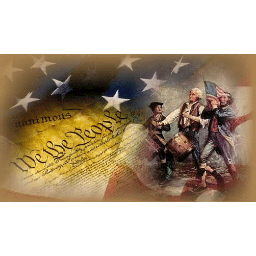
Enlightenment ideas influenced the American Revolution. This led to the creation of new governments and changed the relationship between citizens and the government, the role of a constitution, personal rights, shared powers between branches, and the idea of promoting a common good.
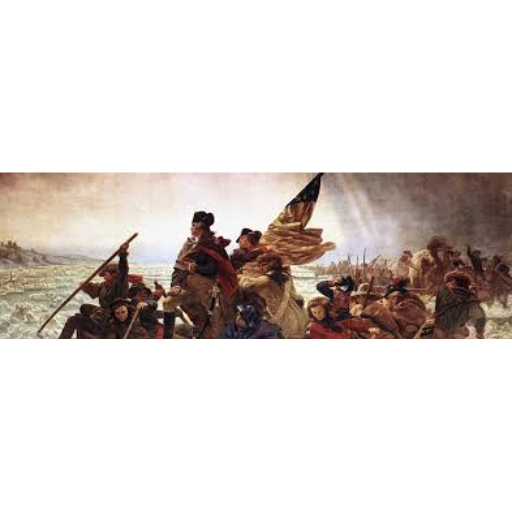
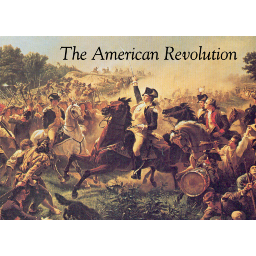
An important event in history was the American Revolution. The American Revolution was inspired by the Enlightenment. Locke’s ideas were used to argue that the colonists were rebelling because their rights had been violated and had the right to change governments. This led to the formation of limited governments and served as models for future limited governments and constitutions around the world. The American Revolution demonstrated that it was plausible for Enlightenment ideas about how a government should be organized to actually be put into practice.
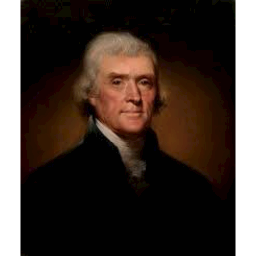
An important person in the American Revolution was Thomas Jefferson. Thomas Jefferson used Locke’s ideas to argue that the colonists were rebelling because their rights had been violated and had the right to change governments. This led to the formation of limited governments and served as models for future limited governments and constitutions around the world.
An important document in history is the constitution. A constitution is the “law” which establishes the structure and operation of government and details the relationship of the people to their government. After gaining independence, the writers of the United States Constitution then used Enlightenment ideas to provide the framework for their new, limited government. The American Revolution demonstrated that it was plausible for Enlightenment ideas about how a government should be organized to actually be put into practice.
Chapter 7:
French Revolution and Napolon
Enlightenment ideas influenced the French Revolution; key events of the French Revolution (storming the Bastille, Reign of Terror, 3 Estates, National Assembly); Declaration of the Rights of the Man and the Citizen; Maximilien Robespierre; the rise of Napoleon, the Napoleonic Wars to conquer Europe and how nationalism played a role; the Congress of Vienna; unification of Germany;, and unification of Italy.
An important event in history was the French Revolution. French government was in a major financial crisis. The king had borrowed heavily to maintain a lavish lifestyle and the government had borrowed to fight Great Britain in the Seven Years' War and to help the Americans in the Revolutionary War. With such great debt, the king had no other option than to try and raise taxes. The commoners of France (the Third Estate) had to pay the majority of the taxes. The nobles and the clergy were largely exempt from paying taxes. Higher taxes angered the common people, especially since the nobles didn't have to pay their share. The Storming of the Bastille began in 1789. The king would be executed, and groups of revolutionaries would battle each other for power.

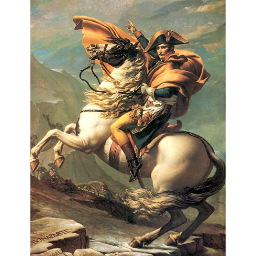
An important person in history is Napoleon. Raised through the ranks during the French Revolution, Napoleon became the Commander of the French Army in Italy. In Paris, Napoleon helps to overthrow the Directory. Napoleon was proclaimed First Consul. Napoleon established the Civil Codes, or Napoleonic Code. Britain had the best Navy. Napoleon hoped to invade Britain. Trafalgar was a British navy victory that ended Napoleon's dream. Continental System Stopped British trade from trading with the Europe. Was a failure. Had to invade due to lack of Continental System. 600,000 men entered Russia. Russians would retreat and burn all things of use to the French "the Great Retreat". 40,000 men would return. Napoleon was exiled to Elba. Louis XVIII was placed in charge.
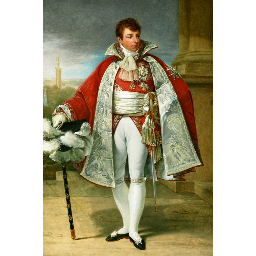
An important invention during history is the guillotine. The guillotine is a machine with a heavy blade sliding vertically in grooves, used for beheading people. The guillotine was used in the French Revolution. During the French Revolution, the guillotine became the primary symbol of the Reign of Terror and was used to execute thousands of people, including King Louis XVI and Marie-Antoinette.

Chapter 8:
Latin American Revolutions
Enlightenment ideas and Nationalism inspired Latin American Revolutions; Revolutions in Haiti (Toussaint L'Ouverture), Mexico (Miguel Hidalgo), and South America (Simon Bolivar = Venezuela, Bolivia, Colombia, Peru and Jose de San Martín = Argentina, Chile and Peru)
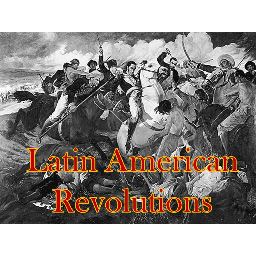
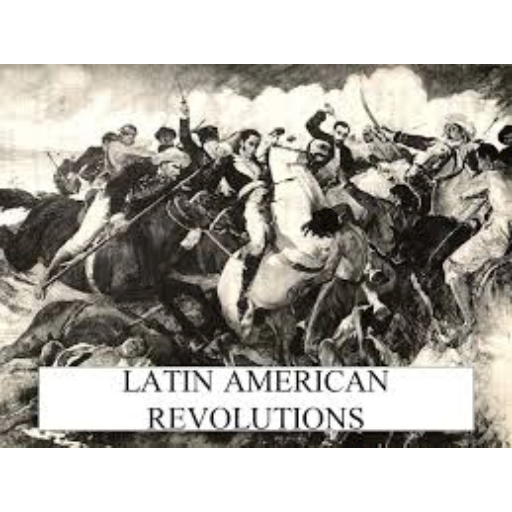
The Latin American Revolution was an important event during history. The Latin american Revolution began because of the American and French Revolution. The Latin American Revolution took place during the late 18th and early 19th centuries. The result of the Latin American Revolution, the creation of the many independent countries in Latin America.
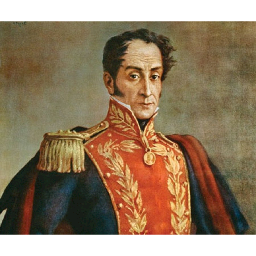
An important person during history was Simon Bolivar. While Jose de San Martin freed argentina from Spanish rule and lead a march in Chile, Simon Bolivar was leading revolts in Venezuela, Colombia, and Ecuador. He joined San Martin in Peru to crush the Spanish Army and by the end of 1824, nearly all of South America had successfully proclaimed their independence.
An important invention during history is Morse Code. Morse Code is used for representing letters of the alphabet, numerals, and punctuation marks by an arrangement of dots, dashes, and spaces. The codes are transmitted as electrical pulses of varied lengths or analogous mechanical or visual signals, such as flashing lights.

Chapter 9:
Industrial Revolution
The Industrial Revolution led to changes in economic (supply and demand), cultural (child and women labor), and political systems; new inventions (interchangeable parts, mass production, spinning jenny, cotton gin, steam engine, etc.)

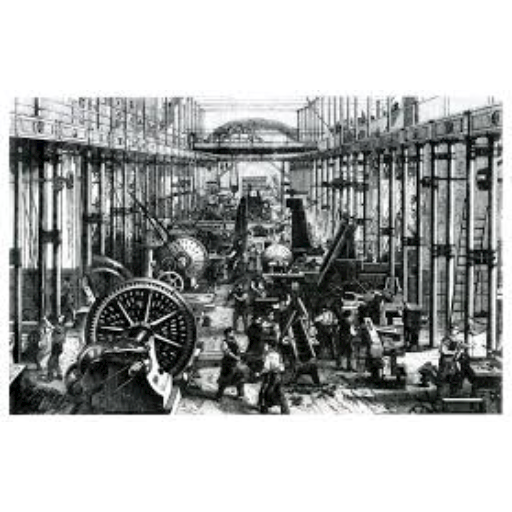
An important event in history is the Industrial Revolution. The Industrial Revolution is the process of change from an agrarian and handicraft economy to one dominated by industry and machine manufacturing. This process began in Britain in the 18th century and from there spread to other parts of the world. The main features involved in the Industrial Revolution were technological, socioeconomic, and cultural.
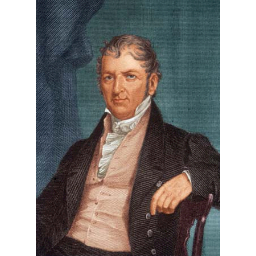
An important person during industrialism was Eli Whitney. Eli Whitney was an American inventor who created the cotton gin. The cotton gin was a machine that revolutionized the production of cotton by greatly speeding up the process of removing seeds from cotton fiber. The cotton gin helped many southern plantation owners become rich off their cotton crops. However, it also increased the demand for slaves.
- Full access to our public library
- Save favorite books
- Interact with authors
- < BEGINNING
- END >
-
DOWNLOAD
-
LIKE
-
COMMENT()
-
SHARE
-
SAVE
-
BUY THIS BOOK
(from $11.59+) -
BUY THIS BOOK
(from $11.59+) - DOWNLOAD
- LIKE
- COMMENT ()
- SHARE
- SAVE
- Report
-
BUY
-
LIKE
-
COMMENT()
-
SHARE
- Excessive Violence
- Harassment
- Offensive Pictures
- Spelling & Grammar Errors
- Unfinished
- Other Problem






COMMENTS
Click 'X' to report any negative comments. Thanks!