Finished on May 17, 2018.
Disclaimer: I decided to have a bit of fun with this, any hats on the presidents were not regularly there and are not to be taken seriously. They're just for fun. :)

Table of Contents:
Vocabulary.....................................................................4-6
Early Years of Vietnam..................................................7-10
The Disastrous Year of 1968.......................................11-13
Later Years of the Vietnam War...................................14-17
1960's Culture............................................................18-20
Vietnam War Timeline.................................................21-23
Nixon's Administration...................................................24-25
Ford's Administration...............................................26-27
Carter's Administration.............................................28-29
Reagan's Administration.............................................30-32
George H.W. Bush...........................................................33
Bill Clinton.................................................................34-35
George W. Bush..........................................................36-37
Obama's Administration..............................................37-39
Vocabulary:
Ho Chi Minh: Organised the league of independence for Vietnam, communist North Vietnam
Dien Bien Phu: Battle between France and Vietnam in which France lost
Geneva Accords: A 1954 peace agreement that divided Vietnam into Communist-Controlled North Vietnam and non-Communist South Vietnam until unification elections could be held in 1956
Ngo Dinh Diem: South Vietnam’s president and a strong anti-communist
Vietcong: The South Vietnamese Communists who with North Vietnamese support, fought against the government of South Vietnam in the Vietnam War
Gulf of Tonkin Resolution: A resolution adopted by congress in 1964, giving the president broad powers to wage war in Vietnam
Vocabulary:
Ho Chi Minh Trail: A network of paths used by North Vietnam to transport supplies to Vietcong in South Vietnam
Napalm: A gasoline-based substance used in bombs that U.S. planes dropped in Vietnam in order to burn away jungle and expose Vietcong hideouts
Agent Orange: A toxic leaf-killing chemical sprayed by U.S. planes in Vietnam to expose Vietcong hideouts
Credibility Gap: A public distrust of statements made by the government
Vietnamization: President Nixon’s strategy for ending U.S. involvement in the Vietnam War, involving the gradual withdrawal of U.S. troops and their replacement with South Vietnamese forces
Silent Majority: A name given by President Richard Nixon to the moderate, mainstream Americans who quietly supported his Vietnam War polices
Vocabulary:
My Lai Massacre: A village in northern South Vietnam where more than 200 unarmed civilians, including women and children, were massacred by U.S. troops in May 1968
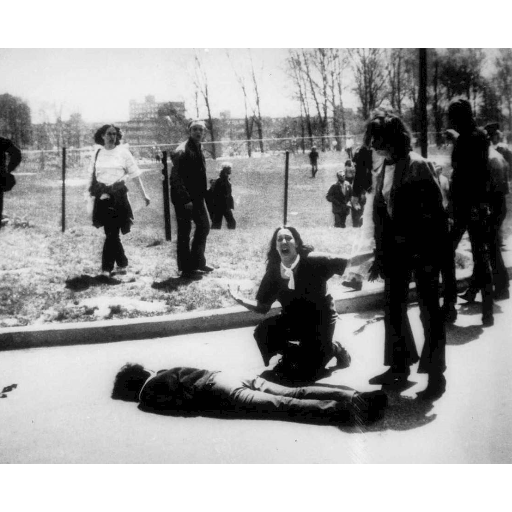
Kent State University: An Ohio university where National Guardsmen opened fire on students protesting the Vietnam War on May 4, 1970, wounding 9 and killing 4
Pentagon Papers: A 7,000 page document-leaked to the press in 1971 by the former Defence Department worker Daniel Ellsberg-revealing the U.S. government had not been honest about its intentions in the Vietnam War
War Powers Act: A law enacted in 1973, limiting a president’s right to send troops into battle without consulting Congress
Early Years of Vietnam
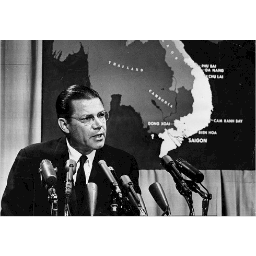
Who was Robert Mcnamara?
Robert Mcnamara was the Secretary of Defense in the United States during the Vietnam War. He had a lot of influence during the Vietnam War
What did the Gulf of Tonkin Resolution give Johnson the power to do?
The Resolution game Johnson the power to take “all necessary measures to repel any armed attack against forces the forces of the United States and to prevent further aggression”. Basically, Johnson had the power to do whatever he thought was necessary in Vietnam, whether that means bombing or negotiation.
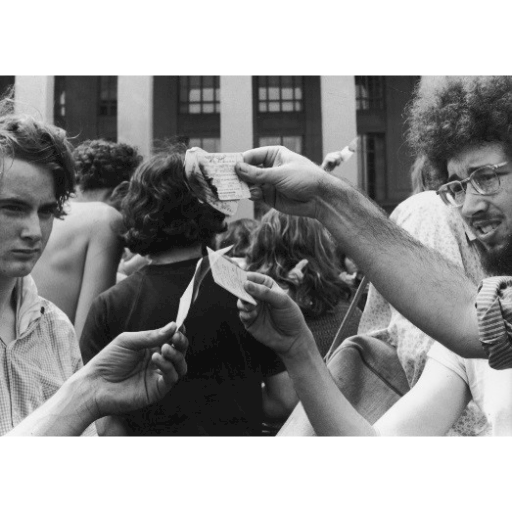
Who was able to get out of the draft? Why was this unfair?
Students enrolled in university were able to get out of the draft. Many people enrolled in university to avoid the draft. People also sought out sympathetic doctors to grant medical exemptions, others changed residences and moved a lot, and some even joined the National Guard or Coast Guard to avoid being sent to Vietnam.
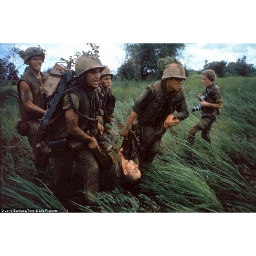
What was fighting like in Vietnam compared to other wars?
Vietnam has a lot of jungle and is very humid and hot most of the year. Many Americans couldn’t see traps set under the thick underbrush. People had to be cautious of leeches with every step. The U.S. soldiers did not know who to trust and which people were civilians and which were actually spies.
Why did the United States get involved?
The United States joined the Vietnam war as part of the overall goal to spread communism from spreading to South Vietnam.
Why did the Tet Offensive change the public perception of the war?
Vietcong agents launched many overwhelming attacks on U.S. air bases and over 100 towns. They even attacked the U.S. Embassy and killed 5 Americans. The Tet Offensive lasted for a month before the U.S. could regain control. After this, many people joined the anti-war side and protested alongside students. People felt lied to after the government said that the enemy was close to defeat. The Tet Offensive drove many people to the viewpoint of ending the war.
The Disastrous Year of 1968
MLK Assassination:
Martin Luther King Jr. was assassinated by James Earl Ray on April 4, 1968. MLK's death sparked outrage throughout the country as many people rioted over the ending of the nonviolence movement. The only major city to not have a riot was actually Indianapolis. The speech that Bobby Kennedy gave that night gave people hope and helped him relate to his audience.
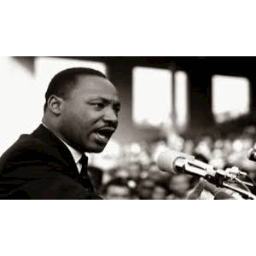
Robert Kennedy Assassination:
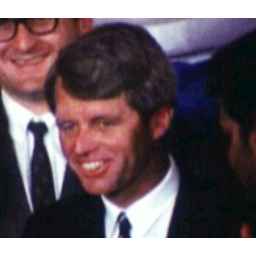
Robert F. Kennedy, JFK's brother, was assassinated on June 6, 1968 in Los Angeles, California. RFK's assassin was Sirhan Sirhan. Sirhan Sirhan targeted RFK because of his open support for Israel.
Tet Offensive:
During the Vietnam war, the Vietcong attacked South Vietnam, and this attack became known as the Tet Offensive. Vietcong attacked one of the American embassies in South Vietnam as well as the rest of the southern capitol of Saigon. This shocked the American public because of what the government previously told them; that the U.S. had been winning the war. The defense lasted from January to September of 1968.
Walter Cronkite and the Vietnam War
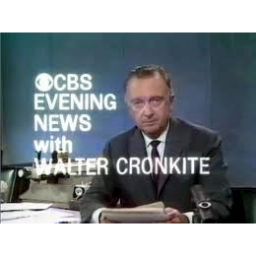
Walter Cronkite was an American newscaster who was known for his ability to speak directly to the American public. He believed that the Vietnam war would end in a stalemate, and generally all of his viewers believed in that as well. Johnson knew at the time that whatever Cronkite believed, the rest of the American public believed. This brought down American war moral and also fueled the protesters.
Later Years of the Vietnam War
What was Nixon's strategy with Vietnam?
When Nixon was president, he called for the gradual withdrawal of U.S. troops as the Southern Vietnamese troops slowly took over the fighting. This strategy was called vietnamization.
What happened at Kent State?
During a protest at Kent State University in Ohio, the National Guard was called in where they killed 3 protesters and injured many more. The protest initially took place because of Nixon's announcement that he was expanding the war into Cambodia.

Why was the trial surrounding the My Lai Massacre so significant?
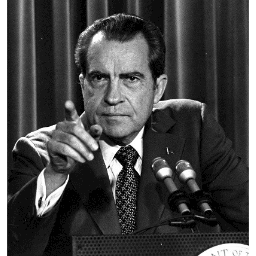
The trial after the events at My Lai helped to bring attention to the massacre that took place there. It created a distrust between the majority of the citizens of the United States and the government. Initially, the government attempted to cover up the massacre, which only further angered the people.
When did the U.S. leave Vietnam?
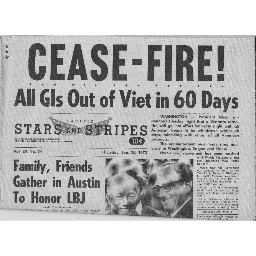
On March 29, 1973, Nixon withdrew the last remaining troops out of Vietnam. People were relieved that involvement in the war was finally over.
How were soldiers treated when they returned home from Vietnam?
Upon returning to the U.S., many now Vietnam war veterans were neglected. Many people did not agree with the Vietnam war at the time, and thus did not agree with the people who fought in the war.
How many people died and how many people were injured in the Vietnam War?
It was estimated that across both sides, over 1.1 million people died, civilians and soldiers.
How much did the war cost?
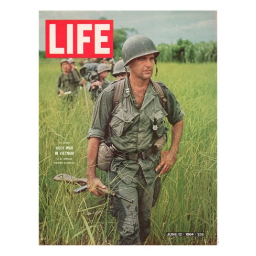
It was estimated that the U.S. alone spent over 900 billion dollars in today's money.
1960's Culture
What is a hippie?
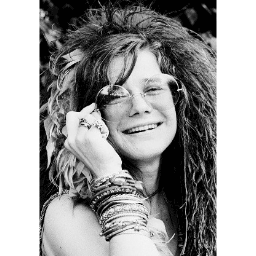
A hippie is a person who was very free and against conformity in society. They were very open to the use of drugs and the topic of sex, unlike their previous generation. They were very influential when it came to the Vietnam War.
LSD
During the 1960's, drug use skyrocketed and many people were trying drugs such as LSD and marijuana. Timothy Leary was a psychologist who experimented with LSD and became a very popular advocate for the drug. Many people flocked to try the new drug to try and experience what he did. This became a central idea throughout the hippie population as people tried to experience pure happiness through drugs.
Woodstock
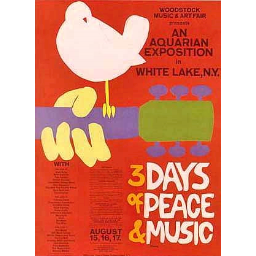
During the 1960's, Woodstock was an iconic event that took place in New York and was three days long. Over 500,000 people showed up. The whole event was a staple in the 60's culture. It was very unregulated and very peaceful for a crowd of that magnitude. Many up and coming artists played during that concert.
Sexual Revolution
During the 1960's, many young teenagers and young adults attempted to separate themselves from the older generation and often time did this through their ideals. Many hippies were often very open when it came to the topic of sex. This was also part of the feminist movement as many women demanded more control over their own bodies. Many women began to use birth control as a way of controlling their fertility. There was a major change in American values during this era as many new ways of thinking came to light.
Vietnam War Timeline
September 2, 1945: Ho Chi Minh declares independence for Vietnam.
July 1954: The Geneva Accords splits Vietnam along the 17th parallel in to the communist North and Capitalist South.
August 5, 1964: The Gulf of Resolution is passed by Congress. This gave president Lyndon B. Johnson the right to prevent further by any means necessary.
April 1, 1965: President Lyndon B. Johnson breaks his previous promises and sends 20,000 more troops to South Vietnam, angering the American public.
January 31, 1968: The Tet Offensive begins. Vietcong launches a brutal attack on South Vietnam and specifically American posts. American's morale towards the war dropped significantly.
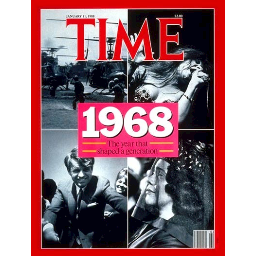

March 16, 1968: American troops murder civilians in South Vietnam. Nixon later pardoned the guilty officers of the massacure.
November 1968: Nixon wins the popular vote in the election.
September 1969: Nixon announces his withdrawal of over 60,000 U.S. troops and thus begins Vietnamization.
June 1971: Pentagon Papers released. They revealed that the U.S. was working against the people's best interests. Many people began to lose faith in the government.
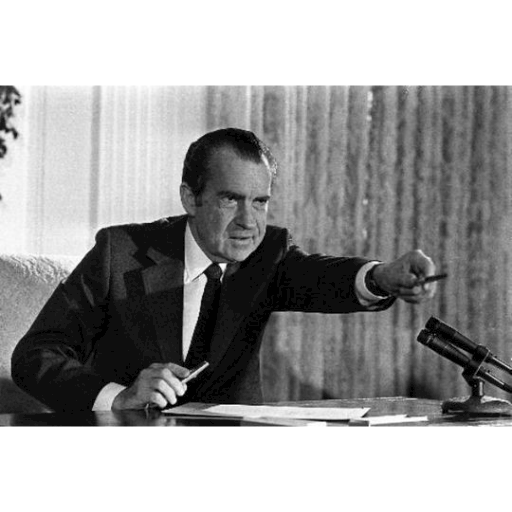
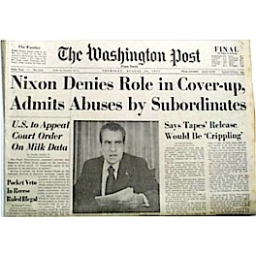
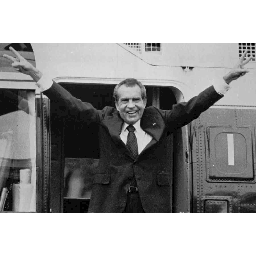
August 1974: Nixon resigns from being president. People began to sense how corrupt his administration was becoming, so before the government could impeach him, he resigned.
April 3, 1975: The Vietnam War ends.
Nixon's Administration
Watergate Scandal
After Nixon's first time, he ran again for office. While campaigning, White House employees broke in to the Democratic National Committee Offices in Washington under his supposed instruction. Nixon originally denied any involvement, but tapes that had been yielded by the U.S. Supreme Court proved him guilty. Almost certain of his eventual impeachment, Nixon resigned August 8, 1974.
Accomplishments
Despite the Watergate Scandal that Nixon was involved in, he also did achieve many things during his presidency. Nixon made great strides for environmental protection by establishing the Environmental Protection Agency (EPA) and setting many new laws in place for companies. Nixon also ended the draft and set many new anti-crime laws into place. Nixon also was a witness to the 1969 moon landing during his presidency.

Ford's Administration
Overview
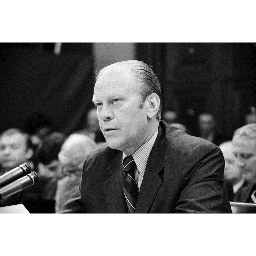
Gerald R. Ford was the 38th president of the United States and served from 1974-1977 after Nixon resigned. Ford was the president to formally end the Vietnam War as well as witnessing the 1973 Energy Crisis. Ford also signed the Education for All Handicapped Children Act which helped all handicapped and disabled children to gain access to better education throughout the United States.

- Full access to our public library
- Save favorite books
- Interact with authors
- < BEGINNING
- END >
-
DOWNLOAD
-
LIKE(1)
-
COMMENT()
-
SHARE
-
SAVE
-
BUY THIS BOOK
(from $7.99+) -
BUY THIS BOOK
(from $7.99+) - DOWNLOAD
- LIKE (1)
- COMMENT ()
- SHARE
- SAVE
- Report
-
BUY
-
LIKE(1)
-
COMMENT()
-
SHARE
- Excessive Violence
- Harassment
- Offensive Pictures
- Spelling & Grammar Errors
- Unfinished
- Other Problem





COMMENTS
Click 'X' to report any negative comments. Thanks!