
GLOSSARY
Ho Chi Minh: The leader of North Vietnam
Dien Bien Phu: Village in northwest Vietnam, captured by Vietnamize forces, it marked the end of french occupation
Geneva Accords: 1954 Peace Agreement that divided Vietnam into communist-controlled North Vietnam and non-Communist South Vietnam until unification elections could be held in 1956
Ngo Dinh Diem: South Vietnam's anticommunist president
Vietcong: South Vietnamese Communists who with North Vietnamese support, fought against the government of South Vietnam in the Vietnam War.
Gulf of Tonkin Resolution: A joint resolution that the united states congress passed in response to the Gulf Tonkin incident.
GLOSSARY
Ho Chi Minh Trail: a network of paths used by North Vietnam to transport supplies to the Vietcong in South Vietnam
Napalm: a gasoline-based substance used in bombs that U.S. planes dropped in Vietnam in order to burn away jungle and expose Vietcong hideouts
Agent Orange: Toxic leaf-killing chemical sprayed by U.S. planes in Vietnam to expose Vietcong hideouts
Credibility Gap: Difference between what is said or promised (used in journalism to deliver government news)
Vietnamization: President Nixon's strategy for ending U.S. involvement in the Vietnam War, involving the gradual withdrawal of U.S. troops and their replacement with South Vietnamese forces
GLOSSARY
Silent Majority: a name given by President Richard Nixon to the moderate, mainstream Americans who quietly supported his Vietnam War policies
My Lai Massacre:
Kent State University: an Ohio university where National Guardsmen opened fore on students protesting the Vietnam War on May 4th, 1970, wounding nine and killing four.
Pentagon Papers: Top secret Department of Defense in Vietnam from 1945-1967
War Powers Act: a law enacted in 1973, limiting a president's right to send troops into battle without consulting Congress
The Early Years of Vietnam...
Why did the U.S. get involved?
The United States did not want Communism to spread.
Who was Robert McNamara?
Eighth Secretary of Defense
What did the Gulf of Tonkin Resolution give Johnson the power to do?
It gave Johnson the power to escalate the war by freely using the military
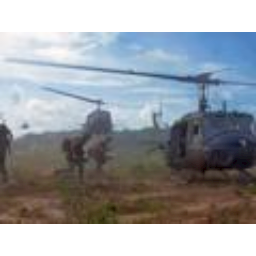
The Early Years of Vietnam...
Who was able to get out of the draft? Why was this unfair?
Wealthy and educated people were able to get out of the draft, It was unfair because most of the people drafted were poor.
What was fighting like in Vietnam compared to other wars?
It was different because it was a civil war before the US got involved
Why did the Tet Offensive change the public perception of the war?
It made Americans think there was no way to win the war
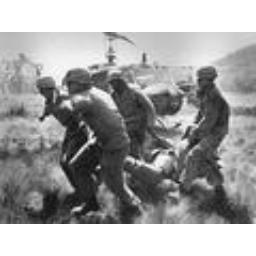
The Year of 1968
MLK Assassination
King was assassinated on April 4th, 1968 at
6:01 p.m.
He was standing on the balcony of his motel in Memphis Tennessee and was shot by James Earl Ray
Bobby Kennedy assassination
Robert Kennedy was assassinated June 6th, 1968 at a hotel after winning the California presidential primaries. He died the next morning at Good Samaritan Hospital, In Los Angeles California
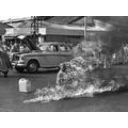
The Year of 1968
Tet Offensive
Largest military campaign of Vietnam War by North Vietnam and Viet Cong in 1968
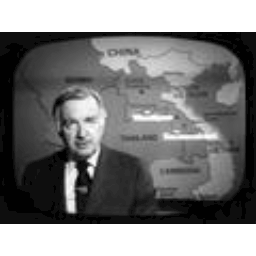
Walter Cronkite’s involvement in spreading word about the Tet Offensive
Cronkite was a journalist and said the U.S. was mired in a stalemate and the war most likely could not be won
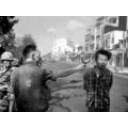
1960s Culture
What is a hippie?
They rejected conforming to mainstream American customs, they were looser on sexuality preference. The protested for peace in the U.S. and equal rights between African Americans and Caucasians

1960s Culture
Civil Rights- They fought for equal rights between Caucasians and African Americans, also desegregation and voting rights
Hippie Protests- They protested for Peace and Love and the freedom of it
Drug use- Marijuana, LSD, Psilocybin Mushrooms
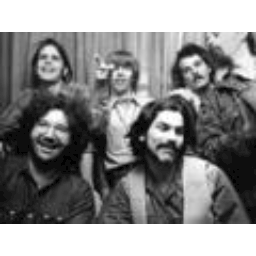
Later years of Vietnam
What was Nixon’s strategy on Vietnam?
Vietnamization
What happened at Kent State?
Violent protest that led to 4 students being killed by national guard
What was the trial surrounding the My Lai Massacre so significant?
It tried to cover it from public view
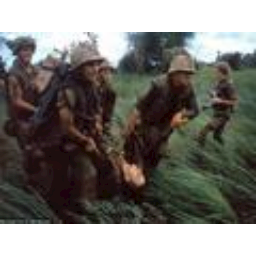
When did the U.S. leave Vietnam?
March 29th, 1973
Later years of Vietnam
How were soldiers treated when they arrived home?
They weren't treated that well because a lot of people felt like the war was unnecessary
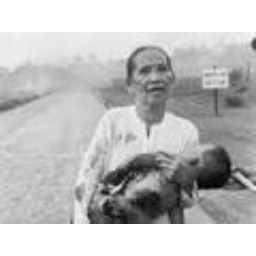
How many people died and were wounded in Vietnam?
58,220 were killed/wounded
How much money did the U.S. spend?
U.S. spent around $173 billion
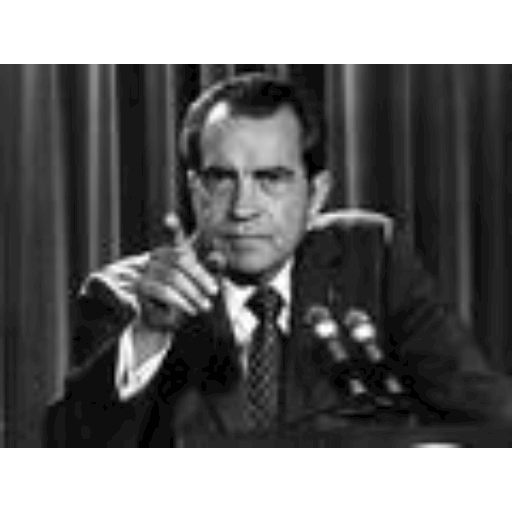
Richard Nixon's Presidency
People broke into the office and this led to the FBI investigating Nixon and connecting crimes back to Nixon
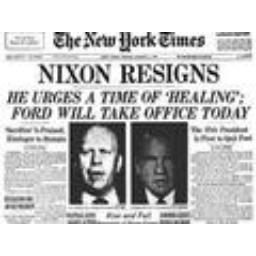
Richard Nixon's Presidency
Nixon on august 8th, 1974 announced he would be resigning from office. He preferred resigning that being impeached from the Watergate Scandal
- Full access to our public library
- Save favorite books
- Interact with authors
- < BEGINNING
- END >
-
DOWNLOAD
-
LIKE
-
COMMENT()
-
SHARE
-
SAVE
-
BUY THIS BOOK
(from $4.39+) -
BUY THIS BOOK
(from $4.39+) - DOWNLOAD
- LIKE
- COMMENT ()
- SHARE
- SAVE
- Report
-
BUY
-
LIKE
-
COMMENT()
-
SHARE
- Excessive Violence
- Harassment
- Offensive Pictures
- Spelling & Grammar Errors
- Unfinished
- Other Problem






COMMENTS
Click 'X' to report any negative comments. Thanks!