
Table of Contents:
Vocabulary- P. 4 - P. 6
Early Years of Vietnam: P. 7 - P. 8
1968: P. 9 - P. 10
Later Years of Vietnam: P. 11 - P. 12
1960's Culture: P. 13 - P.14
Vietnam Timeline: P. 15 - P. 16
Nixons Presidency: P. 17
Ford and Carters Presidency: P. 18
Reagans Presidency: P. 19
George H.W. Bush's Presidency: P. 20
Bill Clintons Presidency: P. 21
George W Bush's Presidency: P. 22
Barack Obama's Presidency: P. 23
Vocabulary:
Ho Chi Minh- Vietnamese communist statesman who fought the Japanese in World War II and the French and South Vietnam.
Dien Bien Phu- French military post during the Indochina War
Geneva Accords- Collection of documents relating to Indochina and issuing from the Geneva Conference. The 10 documents consisted of 3 military agreements.
Ngo Dinh Diem- Vietnamese political leader who served as president, with dictatorial powers, of South Vietnam until he was assassinated.
Vietcong- A member of the communist guerrilla movement in Vietnam that fought the South Vietnamese government forces.
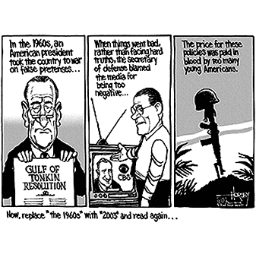
Gulf of Tonkin Resolution- Allowed authorization to President Johnson to take any measures he believed necessary to promoted the maintenance of peace and security in southeast Asia.
Ho Chi Minh Trail- A network of roads built from North Vietnam to South Vietnam through Laos and Cambodia to provide support during the Vietnam War.
Napalm- A jelly-like substance that, when ignited, sticks to anything and burns in up to 10 minutes.
Agent Orange- A defoliant chemical used by the U.S.
Credibility Gap- A lack of confidence in the truth of statements made by the federal government
Vietnamization- The U.S. policy of withdrawing its troops and transferring the responsibility of the war effort to the government of South Vietnam.
Silent Majority- Term used to indicate that a lot of Americans supported Nixons policies.
My Lai Massacre- A group of American soldiers killed most of the people in the village of My Lai on March 16, 1968
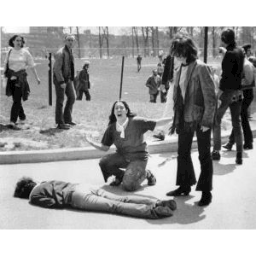
Kent State University- Four students were killed and nine were injured when the National Guard opened fire on the crowd gathered to protest the Vietnam War.
Pentagon Papers- Revealed that the Harry S. Truman administration gave military aid to France and in its colonial war against Vet Minh.
War Powers Act- Federal law intended to check the presidents power to commit the U.S to an armed conflict without the U.S congress.
early years of vietnam
Why did the U.S get involved?- The U.S government got involved in the Vietnam War to prevent a communist take over of South Vietnam. They were trying to minimize the spread of communism.
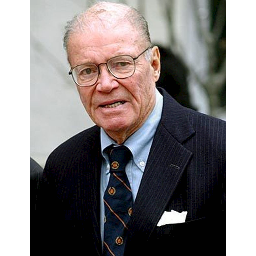
Who was Robert McNamara?- McNamara was an American business executive and the eighth United States Secretary of Defense. He urged Kennedy to lend financial and military support to Ngo Dinh Diem, the leader of South Vietnam.
What did the Gulf of Tonkin Resolution give Johnson the power to do?- The resolution gives Johnson the power to take any measures he believed were necessary to retaliate and to promote the maintenance of international peace and security in southeast Asia.
Who was able to get out of the draft? Why was this unfair?- College students, the last son in the family name and religious reasons. It was unfair because there are other important jobs/ people that should be able to be opt out.
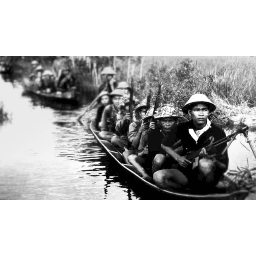
What was fighting like in Vietnam compared to other wars?- The Vietnam War was different than any other war that the United States had fought to that point. This was largely because it was not mainly a war between armies. The major enemy for the US was more of a guerrilla organization that did not fight traditional battles.
Why did the Tet Offensive change the public perception of the war?- It changed because many people were getting hurt and dying. After the Tet offensive the U.S support began to decline and the people turned against Johnson and he didn't run for re-election.
1968
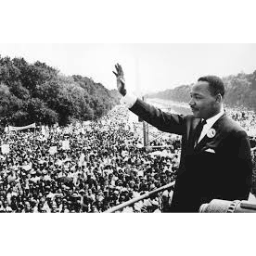
MLK assassination- MLK was assassinated on April 4th, 1968 in Memphis, Tennessee by James Earl Ray. He was then rushed to St. Josephs Hospital and was announced dead at the hospital.
Bobby Kennedy assassination- Bobby Kennedy was assassinated on June 5th, 1968 in a hotel in Los Angeles by Sirhan Sirhan. Before that had happened he was declared the winner of the South Dakota and California presidential primaries.
Tet Offensive- Tet Offensive, attacks staged by North Vietnamese forces beginning in the early hours of January 31, 1968, during the Vietnam War. The Tet Offensive consisted of simultaneous attacks by 85,000 troops under the direction of the North Vietnamese government.
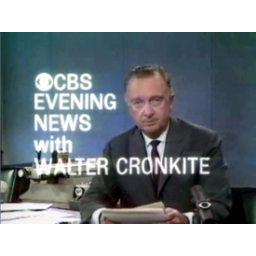
Walter Cronkite's spreading word about the Tet Offensive- Walter Cronkite was a TV commentator for ABC who kept everyone up to date with what was going on with the Vietnam War. He told the people "I'm not sure we can win the war" after talking about the Tet Offensive. People listened to him because he was the most valuable source because they didn't get information from anyone else.
later years of vietnam
What was Nixon's strategy on Vietnam?- He uses vietnamization which is the U.S sending its troops and transferring the responsibility and direction of the war effort to the government of South Vietnam.
What happened at Kent State?- A shooting at unarmed college students by members of the Ohio National Guard during a mass protest against the bombing Cambodia.
What was the trial surrounding the My Lai Massacre so significant?- The trial was trying to cover up what had happened because it was so brutal.
When did the U.S leave Vietnam?- They left on March 29, 1973. That is when the last combat troops left South Vietnam.
How were soldiers treated when they arrived home?- They were treated terribly, they were called all kinds of names and people thought of them as monsters for what had happened in Vietnam.
How many people died and were wounded in Vietnam?- An estimate of 2 million civilians, 1.1 million North Vietnamese and Viet Cong fighters.
How much money did the U.S spend?- About $168 billion.
1960's culture
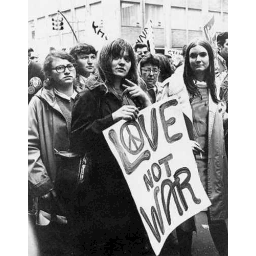
What is a hippie?- A subculture individual who rejects conventional values. They were all about peace, love, sharing and in some cases did drugs. They were known for their long hair, laid back style and non-judgmental values. During the Vietnam war they protested anti- violent ways.
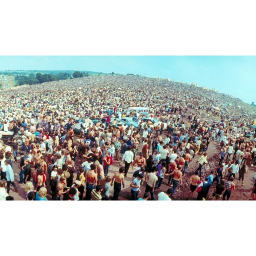
Woodstock- A music festival that lasted 3 days from August 15th- 18th with more than 400,000 people attending. This festival attracted hippies from allover that are involved with promoting peace. They spent their days listening to music and doing hallucinogenic drugs.
Drugs Used- They used marijuana, LSD, and heroin occasionally.
- Full access to our public library
- Save favorite books
- Interact with authors
- < BEGINNING
- END >
-
DOWNLOAD
-
LIKE
-
COMMENT()
-
SHARE
-
SAVE
-
BUY THIS BOOK
(from $4.39+) -
BUY THIS BOOK
(from $4.39+) - DOWNLOAD
- LIKE
- COMMENT ()
- SHARE
- SAVE
- Report
-
BUY
-
LIKE
-
COMMENT()
-
SHARE
- Excessive Violence
- Harassment
- Offensive Pictures
- Spelling & Grammar Errors
- Unfinished
- Other Problem





COMMENTS
Click 'X' to report any negative comments. Thanks!