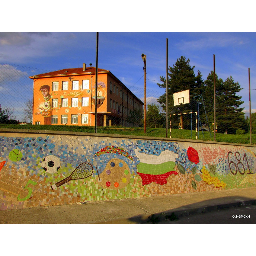


CULTURAL HERITAGE
ETWINNING PROJECT

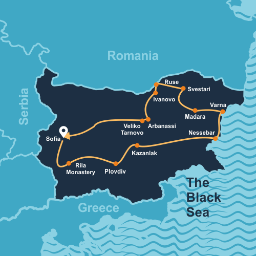
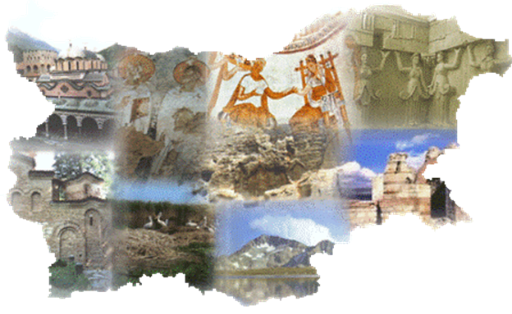
Map of the UNESCO
sites in Bulgaria
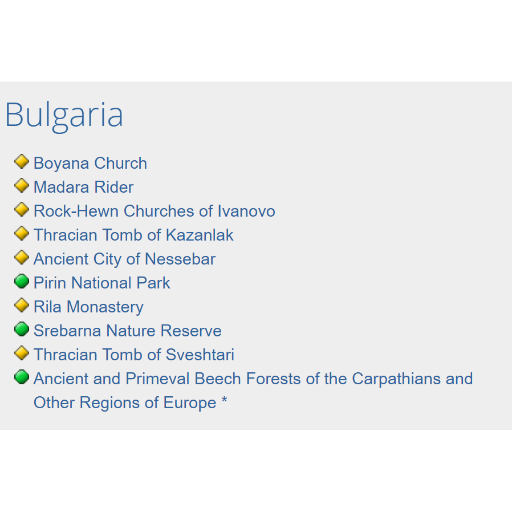
List of UNESCO sites in Bulgaria
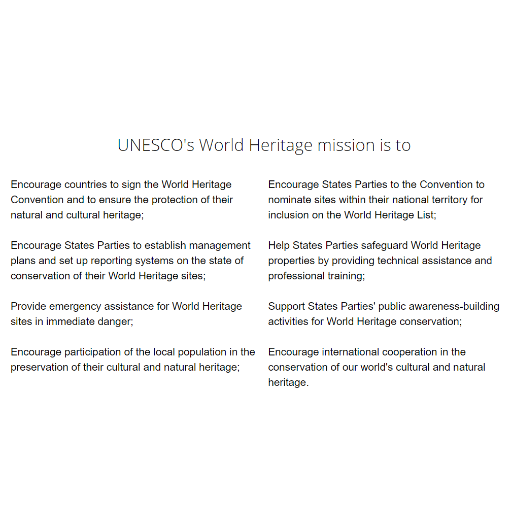
Mission

is for World Heritage

Heritage is our legacy from the past, what we live with today, and what we pass on to future generations. Our cultural and natural heritage are both irreplaceable sources of life and inspiration.
The World Heritage Convention
The most significant feature of the 1972 World Heritage Convention is that it links together in a single document the concepts of nature conservation and the preservation of cultural properties. The Convention recognizes the way in which people interact with nature, and the fundamental need to preserve the balance between the two.
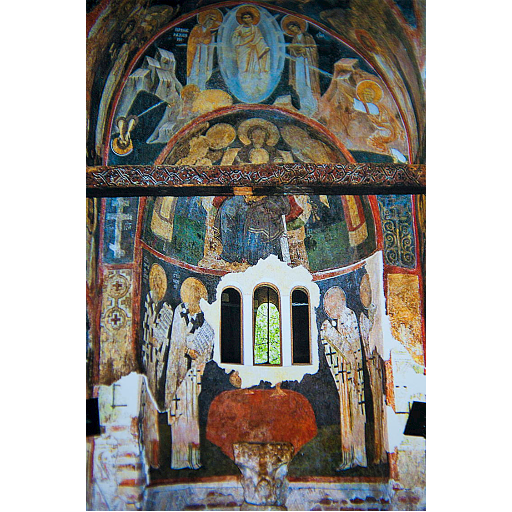
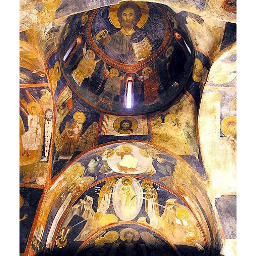
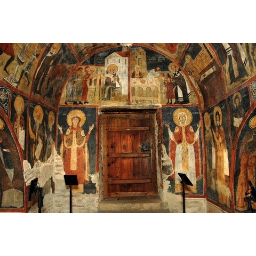
is for Boyana Church

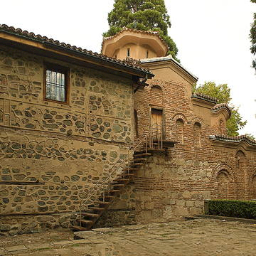
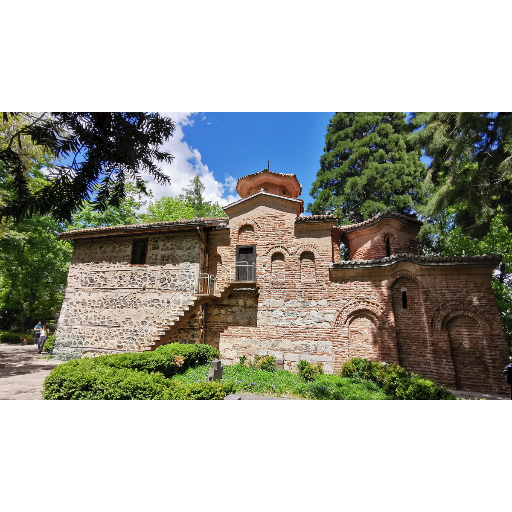
Located on the outskirts of Sofia, Boyana Church consists of three buildings. The eastern church was built in the 10th century by Sebastocrator Kaloyan, ho ordered a second building to be added next to it. The frescoes in this second church, painted in 1259, make it one of the most important collections of medieval paintings. The ensemble is completed by a third church, built in the beginning of the 19th century. This site is one of the most perfectly preserved monuments in Europe.
is for Madara Horseman

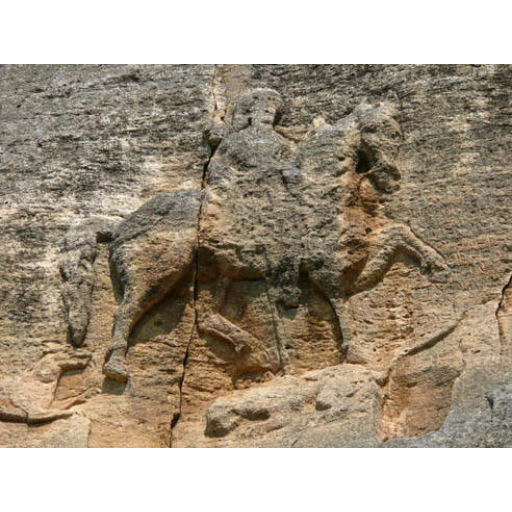
The Madara Rider is carved into a 100-m-high cliff near the village of Madara in north-east Bulgaria. Madara was the principal sacred place of the First Bulgarian Empire before Bulgaria’s conversion to Christianity in the 9th century. The inscriptions beside the sculpture tell of events that occurred between AD 705 and 801.
The Madara Rider is a unique relief, an exceptional work of art, created during the first years of the formation of the Bulgarian State, at the beginning of the 8th century. It is the only relief of its kind, having no parallel in Europe. It has survived in its authentic state, with no alternation in the past or the present.
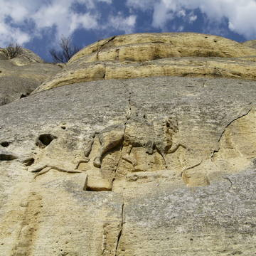
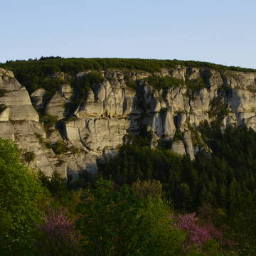
The Madara Rider is an early medieval large rock relief. This is the global symbol of Bulgaria. An image of it can be found on the back of most of its coins for example. The relief carved into a cliff at an elevation of 23m is seen as the climax of pagan Bulgarian art. It shows a rider on a horse, attacking a lion with his spear. A dog walks behind the rider. Next to it are 3 inscriptions in Greek that refer to the Bulgarian rulers of the 8th and 9th centuries. The inscriptions are a chronicle of important events concerning the reigns of very famous Khans: Tervel, Kormisos and Omurtag.
It is outstanding not only as a work of Bulgarian sculpture, with its characteristically realist tendencies, but also as a piece of historical source material dating from the earliest years of the establishment of the Bulgarian state. The rock relief of the Madara Horseman lies within an archaeological reserve that includes other archaeological monuments, up to 2000 years old. The defined boundaries, and the protection zone, ensure the conservation of the property's surrounding.
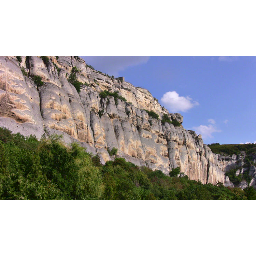
Due to the uncertain stability of the supporting rock, the relief has a serious and enduring conservation problem, although changes in the integrity of the property are not significant. A combination of wind erosion, and surface water run-off from heavy rain and melting snow, together with biological coatings, is causing the rock to erode. The property has been subject to numerous archaeological, geodesic, geological, hydrological, static, seismograph, physical chemistry and, lately, microbiological research investigations. These exceptional research efforts have been incorporated into a database, the results of which have defined the parameters for immediate conservation interventions. In 2007 an international project, seeking solutions for the conservation of the relief, was concluded and an evaluation of proposed interventions is pending.
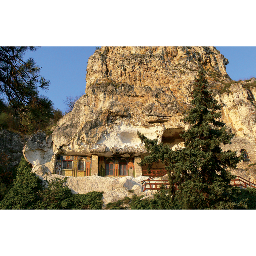
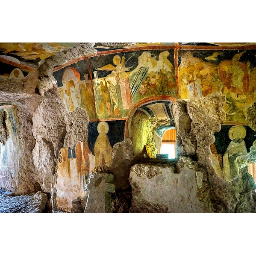
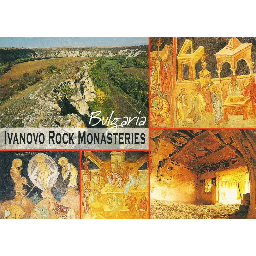
I is for Rock-Hewn churches of Ivanovo
In the valley of the Roussenski Lom River, a complex of rock-hewn churches, chapels, monasteries and cells developed in the vicinity of the village of Ivanovo. This is where the first hermits had dug out their cells and churches during the 12th century. The "Church" frescoes reveal an exceptional artistry and a remarkable artistic sensitivity. An architectural background, drama, an emotional atmosphere are a combine of a exceptional masterpiece. The frescos are an important achievement in the Christian art.
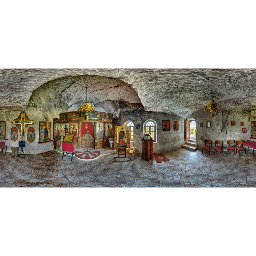
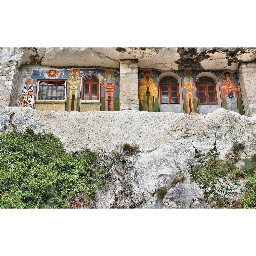
Through National Legislation the property has been protected, as a 'Reserve' since 1965. The frescos are in the World Heritage List of immovable cultural properties.
is for Thracian Tomb in Kazanlak

The Thracian tomb in Kazanlak was discovered by accident in 1944. It is dated to the end of Iv in BC - the beginning of III in BC. It belonged to the Thracian ruler Roygos. The tomb is world famous for its unique frescoes in
the corridor and the domed room - one of the best preserved frescoes of ancient painting from the early Hellenistic era.
The Thracian Tomb of Kazanlak is the masterpiece of the Thracian creative spirit. The Kazanlak frescoes testify to high level of culture and pictorial art in Thracia and represent a significant stage in the development of Hellenistic funerary art.
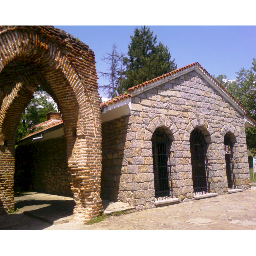
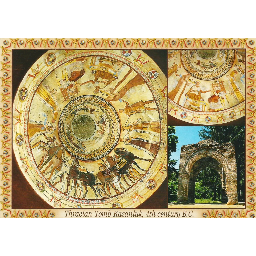
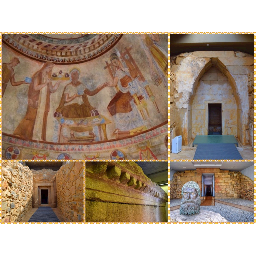
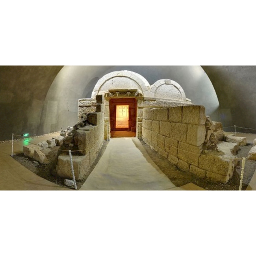
The Tomb was built at the end of IV century B.C. and the belief is that it was made for a Thracian nobleman. Its uniqueness is due mainly to the frescoes dating from the end of IV century and the beginning of III century B.C. It consists of three premises - a rectangular antechamber, a narrow passage (dromus), which leads to a round burial chamber. The chamber is covered by conical cupola and is decorated with ornamental and figured painting.
The Tomb of Kazanlak is an exceptional proof about the building mastery of Thracians and about the bloom of the fine arts during the Hellenist epoch.
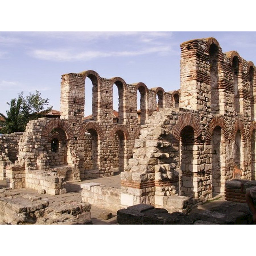
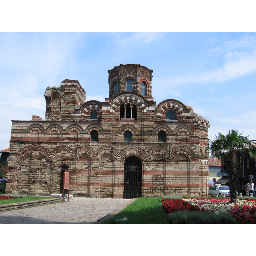
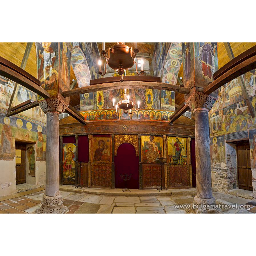
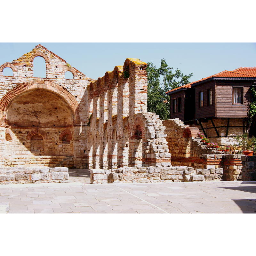
Ancient city of Nessebar
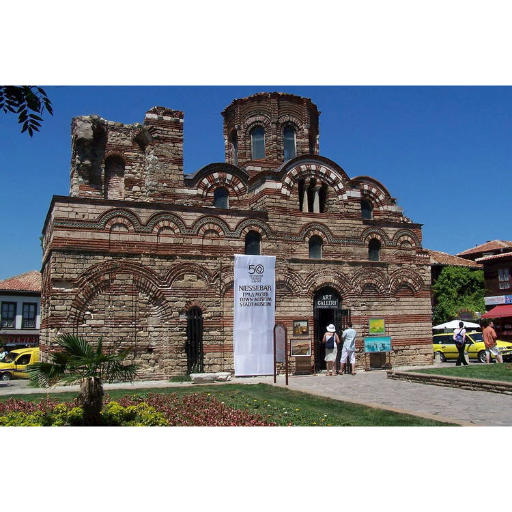
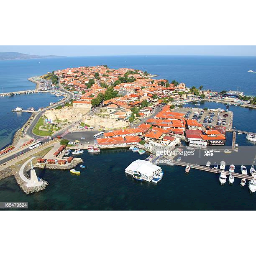
The Ancient city of Nessebar is a unique example of a synthesis of the centuries-old human activities in the sphere of culture; it is a location where numerous civilizations have left tangible traces in single homogeneous whole, which harmoniously fit in with nature. The different stages of development of its residential vernacular architecture reflect the stages of development of the architectural style on the Balkans and in the entire East Mediterranean region. The urban structure contains elements from the second millennium BC, from Ancient Times and the Medieval period.
The medieval religious architecture, modified by the imposition of the traditional Byzantine forms, illustrates ornamental ceramics art, the characteristic painted decoration for this age. The town has served for over thousands of years as remarkable spiritual hearth of Christian culture.
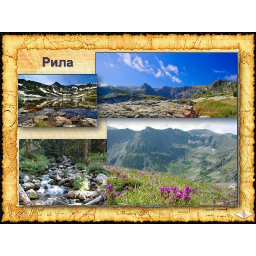
National Park Rila
Rila National Park, the largest
national park in Bulgaria, is located about 100 km. south of Sofia, in the central and highest regions of the Rila Mountains. The Park contains rare and endangered wildlife species and communities, self-regulating ecosystems of biological diversity, as well as historic sites of global cultural and scientific significance. Some of the largest rivers in the Balkan Peninsula originate here. The name Rila is derived from the Thracian word roula, meaning ‘lots of water.’
Pirin National Park was established in 1962 and its territory was expanded several times since then. The park encompasses the larger part of the Pirin Mountains in southwestern Bulgaria, spanning an area of 403.56 km2 and was declared a UNESCO World Heritage Site in 1983.
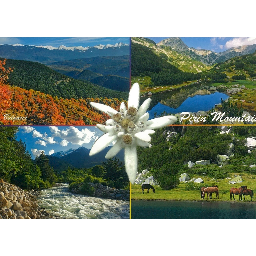
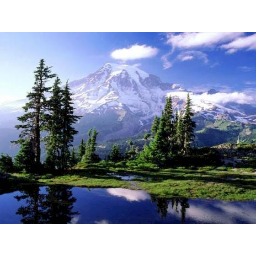
Pirin is renowned for its 118 glacial lakes, the largest and the deepest of them being Popovo Lake. Many of them are situated in cirques. There are also a few small glaciers, such Snezhnika, located in the deep Golemiya Kazan cirque at the steep northern foot of Vihren, and Banski Suhodol. They are the southernmost glaciers in Europe.
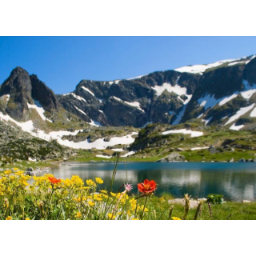
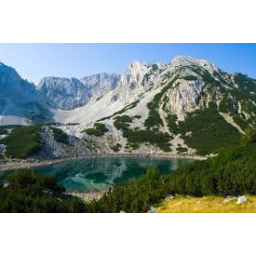
is for The Seven Rila Lakes

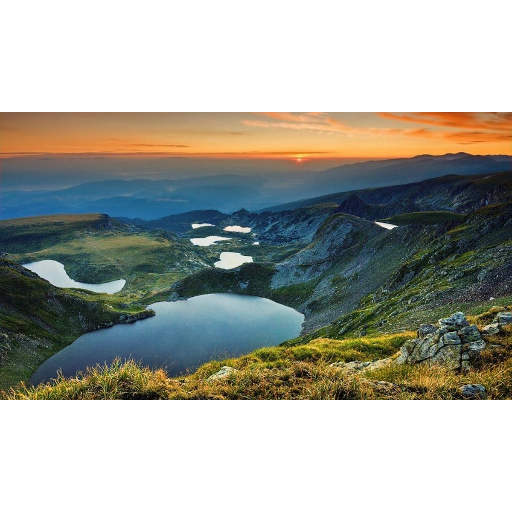
Everyone who is in the Bansko region has to visit this incredible and amazing natural landmark. It is a great idea to spend one day visiting this unique. Visiting this place is an unforgettable experience. The amazing and enchanting beauty of the Rila Lakes attracts not only the Bulgarian tourists but also visitors from all over the world.
It is best to see the Seven Rila Lakes during the summer months as they are the most attractive in this season, also they are an excellent option for one-day trip to escape from the daily routine of the city and a great chance to enjoy the magnificent nature. The Seven Rila Lakes are one of the most remarkable sites in the Balkan.
Each lake has its own name and is unique in itself:The Tear, The Eye, The Kidney, The Twin, The Trefoil, Fish Lake and The Lower Lake. Their names represents theirs specific features. The Tear is named this because its water is crystal clear and transparent.
Second by height is the Eye Lake, which has almost oval shape.
The Kidney is the lake with the most steep shores of the whole group. The fourth lake is The Twin. It is the largest of the whole lake group.
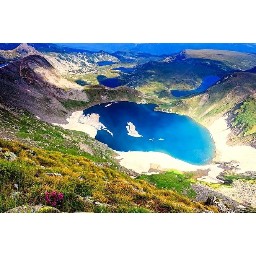
The Trefoil has an irregular shape and low shores. The most shallow of all lakes is the Fish Lake, as on its northeastern side is located the "Seven Lakes" hut. The lowest located lake is the Lower Lake, from where the Dzherman River starts to flow.
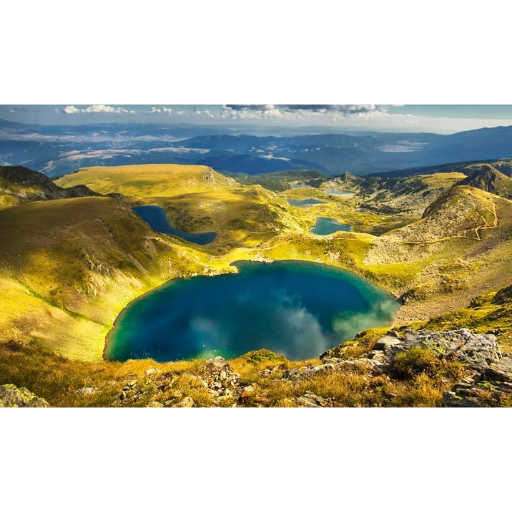
According to the legend of the Seven Rila Lakes, the Rila Mountain was the home of two giants – a man and a woman. Their love was so strong.
One day The earth was shaken by terrible earthquakes. The male giant defended with all his strength. In one heavy battle the giant found his death. The sadness of the young widow was so strong that her tears were endless as they flew down along the mountain ridges to the valleys. As the tears were falling down they gathered in the glens, thus they formed crystal clear lakes with enchanting beauty – the Seven Rila Lakes.
is for The Rila Monastery

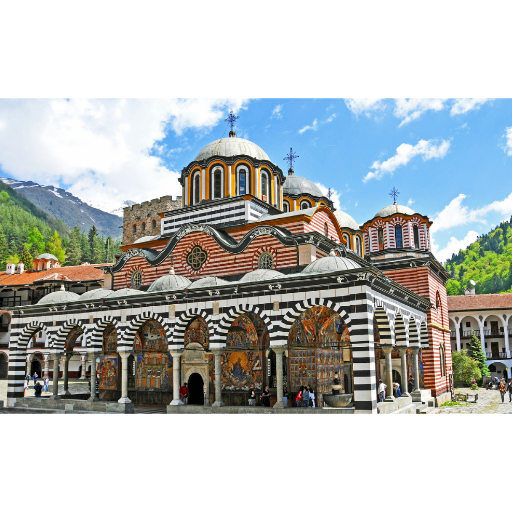
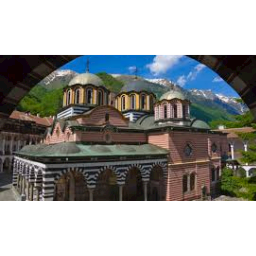
Rila Monastery is situated in northwestern part of Rila Mountain. It's is one of the most famous Bulgarian symbols. Not only is it the biggest monastery in Bulgaria, but also it is the most influential spiritual center in the country and the second biggest monastery on the Balkan Peninsula.It was founded in the 10th century by the monk hermit John, who was later named Bulgaria’s patron saint and his disciples. John of Rila, popular in Bulgarian language as Ivan Rilski, was raised to sainthood by grateful Christian Bulgarian people in a sign of tribute to his life.
Rila Monastery is a cultural and spiritual center. It keeps Bulgarian faith through tough years. It has always been as a source of revival, faith and hope for Bulgarian souls and minds. It turned into the stronghold of Bulgarian nationality and culture during Byzantine Period. The fall of Bulgaria under the Ottoman rule made the spiritual life of the monastery rather difficult in the beginning of the 15th century.
Srebarna Nature Reserve
The biosphere reservation by the village of Srebarna is situated at a distance of 2 km south from the river Danube and 16 km west from Silistra, on an area of 600 ha. It covers the lake Srebarna and the territories near it. Its fame is related on one hand to the fact that it is situated exactly on the way of the migratory birds from Europe to Africa - Via Pontica, and on the other hand to the unique and diverse species of water birds in it.
In 1965 the reservation was included in the list of the most valuable damp areas in Europe, and ten years later, in 1975 it was declared a damp area by the Ramsar Convention, which is an international agreement concerning protection of biological diversity. Moreover, the reservation is included in the global network of the biological reservations as per the program “Human and Biosphere” of UNIESCO, as well as in the list of the ornithological important places in Europe.
Discovered in 1982 near the village of Sveshtari, this 3rd-century BC Thracian tomb reflects the fundamental structural principles of Thracian cult buildings. The tomb has a unique architectural decor, with polychrome half-human, half-plant caryatids and painted murals. The 10 female figures carved in high relief on the walls of the central chamber and the decoration of the lunette in its vault are the only examples of this type found so far in the Thracian lands. It is a remarkable reminder of the culture of the Getes, a Thracian people who were in contact with the Hellenistic and Hyperborean worlds, according to ancient geographers.
Thracian Tomb of Sveshtari
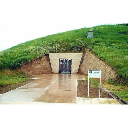
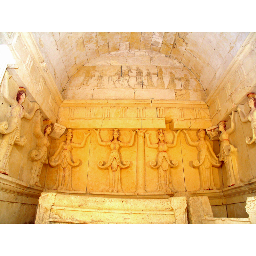
The ten female figures carved in high relief on the walls of the central chamber and the decorations of the lunette in its vault are the only examples of this type found so far in the Thracian lands. It is an exceptional monument of the Getae, a Thracian people who were in contact with the Hellenic and Hyperborean worlds, according to ancient geographers. In 2012, archaeologists uncovered a significant treasure near the village. The treasure included a golden ring, 44 female figure depictions and 100 golden buttons, found in 150 tombs from the 4th century BC.
is for Ledenika cave

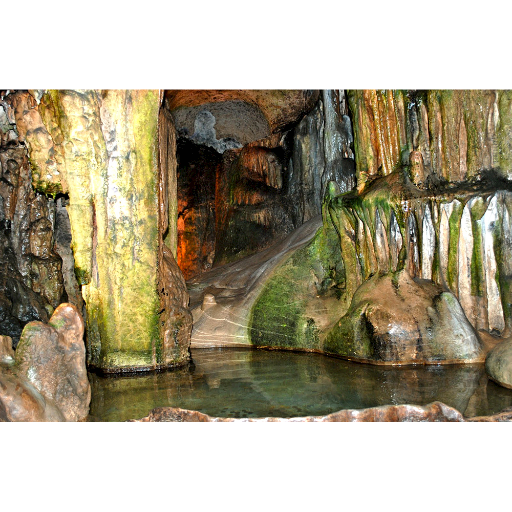
Ledenika cave is one of the most beautiful and visited cave in Bulgaria. It is situated in the Vratsa Mountain, near Vratsa. The cave was opened for tourists for the first time in 1961. In 1962 it was proclaimed for a natural landmark.
In winter and spring the cave is enchanting with its crystal icicle decoration. That gave the name of the cave.The animal variety can not be reach: bats, cave beetles, wood lice, little spiders. You can see only here the insect “Ledenikus” or “Lighthater”. You can’t see many plants here.
is for Zheravna

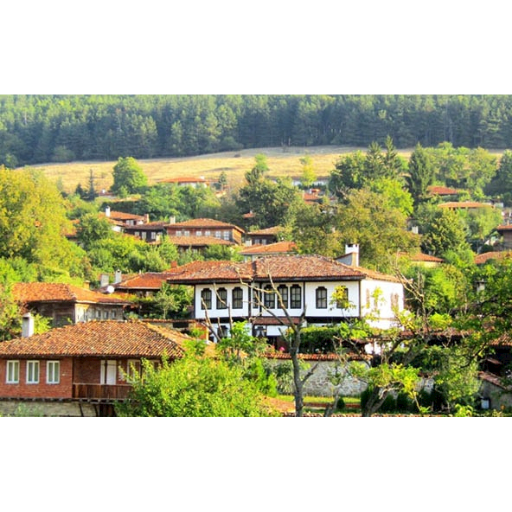
The village of Zheravna is situated in Kotel municipality. This little Bulgarian village offers absolute Eco purity, silence, rural atmosphere and interesting landmarks.
Zheravna attracts many tourists with its authentic Renaissance look of the - narrow cobbled streets, one-and two-storey wooden houses surrounded by stone walls. Some of the houses have been turned into museums, among them are the houses of the famous Bulgarian writer Yordan Yovkov, of Sava Filaterov and the house of Rusi Chorbadji.
- Full access to our public library
- Save favorite books
- Interact with authors
- < BEGINNING
- END >
-
DOWNLOAD
-
LIKE(4)
-
COMMENT()
-
SHARE
-
SAVE
-
BUY THIS BOOK
(from $12.19+) -
BUY THIS BOOK
(from $12.19+) - DOWNLOAD
- LIKE (4)
- COMMENT ()
- SHARE
- SAVE
- Report
-
BUY
-
LIKE(4)
-
COMMENT()
-
SHARE
- Excessive Violence
- Harassment
- Offensive Pictures
- Spelling & Grammar Errors
- Unfinished
- Other Problem





COMMENTS
Click 'X' to report any negative comments. Thanks!