




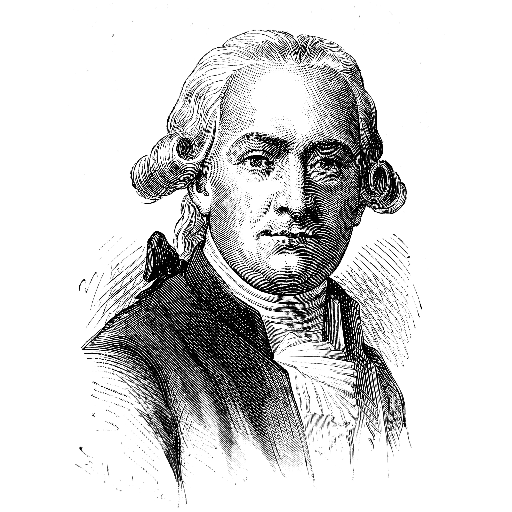




Louis Braille was born in 1809, in the small village of Coupvray, France.
His childhood was the same as any other. He ran, like a cheetah, played like a puppy, and was a curious as a cat.

But one day when he was three years old that
curiosity got the best of him. An accident in his father's shop left young Louis blind in his right eye.


An infection spread to his other eye and in that moment the
world
went
dark.
Louis was left permanently blind at 3 years old, but his life still went on.

He learned to navigate the world around him using his other four senses; taste, smell, hearing, and especially touch. Louis was very bright and could figure out most situations without his sight.
When he turned 10, Louis went to school at The National Institute for Blind Youth in Paris on a scholarship. The school was the first of its kind in the world, founded by Valentin Haüy in 1784.
He even studied music, and became a notable organist prodigy.

But something was always missing from his education. Books written for blind children were few and far between, because they were hard to read and even harder to create and transport.

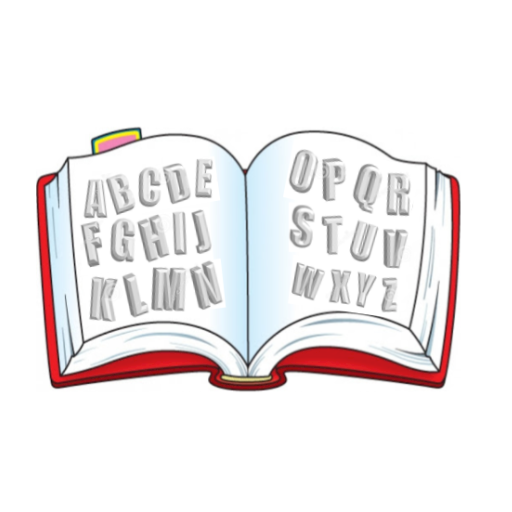
Valentin Haüy, the founder of Louis's school, was the first with a plan that let the visually impaired read. He engraved paper so the letters would stick up from the page. One could run their fingers over the words to read using the sense of touch.

But many letters have similar shapes, and making a book with 26 different stamps is expensive and time consuming. To make reading just as easy and accessible to those with and without sight. There needed to be a new way.
The next system that became popular was actually created by a captain in the French army. A veteran at the time, Charles Barbier saw how many soldiers were being discovered and killed after using lamps to read battle messages at night. His system was similar to Haüy's in that one could move their finger over the raised paper to read the message. However, he used 2 by 12 arrays of dots instead of letters. His code was called "night writing". This system was a lot closer to the right device, but the 12 dots made it impossible to read a letter in one touch.


Each idea so far was close to helping those without sight, but was lacking in one detail. The creators themselves were seeing, so they didn't have the perspective of the people who would actually benefit from the technology.

A new, younger generation was attending the institution and joining the blind community, and it only makes sense that a member of this new generation would find a solution that past generations couldn't quite see yet.
But who would have thought that the perfect device would be invented by a 15 year old Louis Braille?

He took inspiration from Captain Charles Barbier, but changed the design to where it would work best for him and others with visual impairments.

Louis had learned Charles's "night writing" in school and saw the potential for a great form of communication. Louis decided that 12 dots was too big and it had to be condensed.
- Full access to our public library
- Save favorite books
- Interact with authors

- < BEGINNING
- END >
-
DOWNLOAD
-
LIKE(1)
-
COMMENT()
-
SHARE
-
SAVE
-
BUY THIS BOOK
(from $6.19+) -
BUY THIS BOOK
(from $6.19+) - DOWNLOAD
- LIKE (1)
- COMMENT ()
- SHARE
- SAVE
- Report
-
BUY
-
LIKE(1)
-
COMMENT()
-
SHARE
- Excessive Violence
- Harassment
- Offensive Pictures
- Spelling & Grammar Errors
- Unfinished
- Other Problem

COMMENTS
Click 'X' to report any negative comments. Thanks!