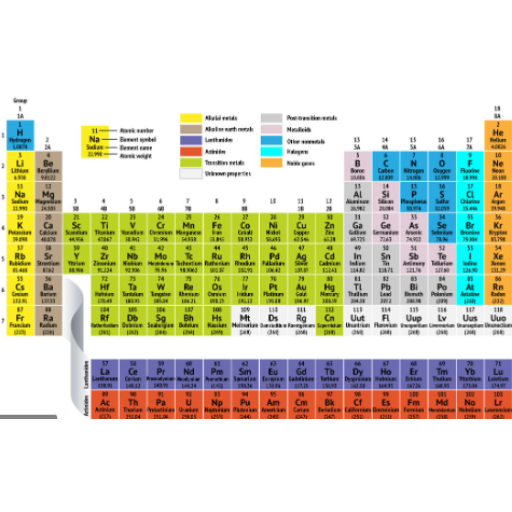
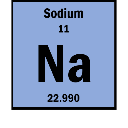
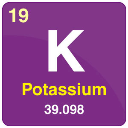
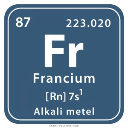

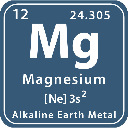
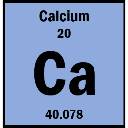


The periodic table is a system of organizing elements in different categories based on similarities.
What is the periodic table?
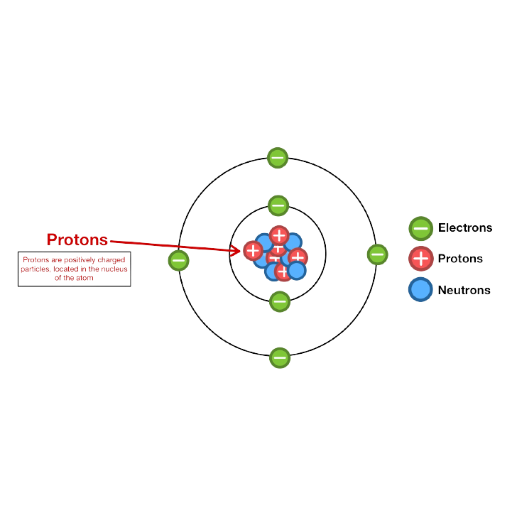
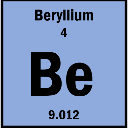
One of the most basic methods of organization in the periodic table is the atomic numbers, these purely give each element a number located on the top left of the card. The number is assigned based on the number of protons in an atom, meaning that the protons also define the atom's identity. The Atomic number also dictates that the larger that atomic number is the further right and downwards the element is placed

Groups/families

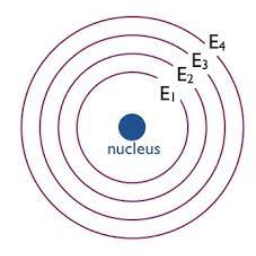
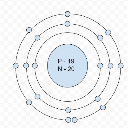
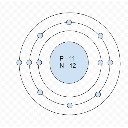
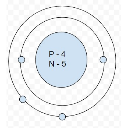
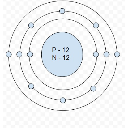
Groups and periods are both the same thing, the way they work is that they group all of the elements with the same number of valence electrons(the electrons on the last circle around the nucleus into columns. So if an element is on top of another one then you know they have the same number of valence electrons. Periods explain how many energy levels
(the circles around the nucleus) are
in an element. They make all of the
elements in a row the same period.
Element locations
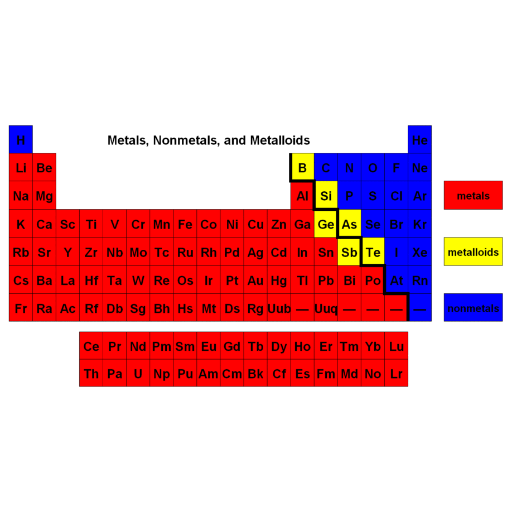
Nonmetals -brittle, bad conductors, non-lustrous (dull), not strong
Metals - Lustrous(shiny), good conductors, malleable, solid
Metalloids - A mixture of both

Valence electrons are what determines the reactivity of an element. The way this works is essentially for an element to become stable they must get 8 or 0 valence electrons, so when an element from the first 4 groups is put with another it will react by giving away all of its valence electrons and become stable. They do this because it is easier for them to give there 1, 2, 3 or 4 valence electrons rather than having to take another element's. The opposite happens to the elements in the next 4 groups since it is easier for them to take rather than giving away.

Valence Electrons
Periodic table families
Pages(8-16)
Akali metals


Physical - luster, malleability, ductility,
Chemical - electrical conductivity, thermal conductivity, 1 valence electron, reacts by giving away valence electrons
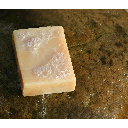
used in soap
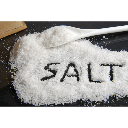
used in salt


Alkaline Earth Metals
Physical - luster, malleability, ductility, luster
Chemical - electrical conductivity, thermal conductivity, two valence electrons, reacts by giving them away


used in gears and cogs
used in laptops


- Full access to our public library
- Save favorite books
- Interact with authors

- < BEGINNING
- END >
-
DOWNLOAD
-
LIKE
-
COMMENT()
-
SHARE
-
SAVE
-
BUY THIS BOOK
(from $2.99+) -
BUY THIS BOOK
(from $2.99+) - DOWNLOAD
- LIKE
- COMMENT ()
- SHARE
- SAVE
- Report
-
BUY
-
LIKE
-
COMMENT()
-
SHARE
- Excessive Violence
- Harassment
- Offensive Pictures
- Spelling & Grammar Errors
- Unfinished
- Other Problem

COMMENTS
Click 'X' to report any negative comments. Thanks!