This book is dedicated to Mr. Pearson and Mr. Batts

Chapter 1 - The Basics
Groups/Families: Vertical categories with similar chemical properties due to their equivalent amount of valence electrons. This book will go more in depth on valence electrons later on so just remember the similar chemical properties.
Periods: Horizontal categories based on equivalent electron/energy shells.
Subatomic Particles: PROTONS
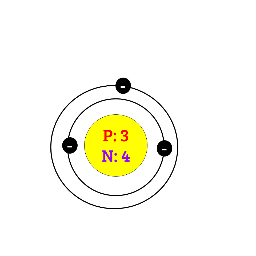
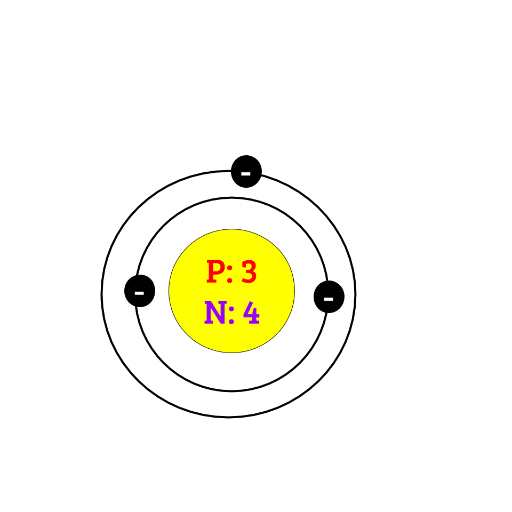
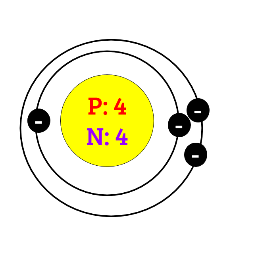
Protons: Positive charge subatomic particles that attract electrons.
Atomic Number: The Number of protons within an atom.
The periodic table is organized from left to right descending in increasing number of protons in an atom AKA atomic number.
Subatomic Particles: ELECTRONS
Electrons: Negative charge subatomic particles that are attracted to positive protons.
Energy Shells: Energy shells are the paths of electrons surrounding the nucleus of an atom.
Valence electrons: The Valence shell of an electron is the outermost energy level/shell of an atom. The electrons on those valence shells are known as valence electrons.
Reactivity: Elements with equivalent valence electrons have similar chemical properties and reactivity. Elements with more than half their valence shell full of electrons will want to take in electrons from other atoms rather than give away some to react. Elements with less than half their valence shell full of electrons will want to give electrons to other atoms rather than take in some to react with other elements.
The vertical groups/families on the periodic table have equivalent valence electrons and ergo, have similar reactivity.
Categories: METALS
Properties of Metals: Conductive of heat and electricity, Lustrous, Ductile, Dense, Malleable, High melting point.
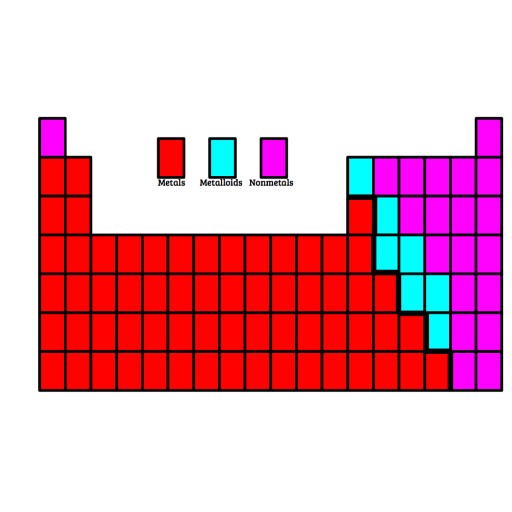
Location: Metals on the periodic table are present to the left of the common zig-zag line.
Categories: METALLOIDS
Properties of Metalloids: Semi-conductive of heat and electricity, Luster varies, Brittle, Ductile, Malleable.
Location: Metalloids on the periodic table are closest right of the common zig-zag line between metals and nonmetals.
Categories: NONMETALS
Properties of Nonmetals: Poorly conductive of heat and electricity, Non Lustrous, Brittle, Non Ductile, Low Melting point, Colorful
Nonmetals are to the right of the zig-zag line and metalloids with the exception of Hydrogen present at the top left above Lithium.

This is the periodic table separated into metals, metalloids, and nonmetals.
Chapter 2 - WE ARE FAMILY... WITH THE SAME REACTIVITY
Alkali Family:
Chemical Properties: Highly reactive at room temp. and standard pressure with water, halogens, and acids, Reactions in water, halogens, and acids release heat, Lose their valence electron easily, Very electropositive
Physical Properties: Silvery appearance, Soft, Low Density
3 Elements: Lithium (Li), Sodium (Na), Potassium (K)


Alkali Continued:
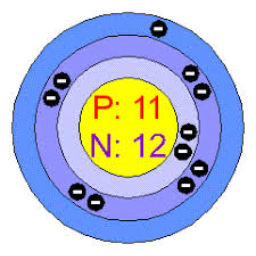
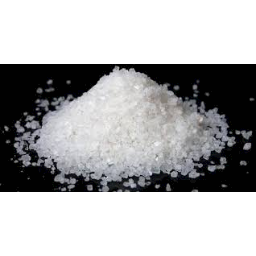
Everyday Uses: Lithium: Lithium is commonly used in batteries; Sodium: Sodium is used in table salt.


Alkali Earth Metals:
Chemical Properties: 2 Valence Electrons, React with water and halogens, Combine with nonmetals
Physical Properties: Shiny, Solid at room temp., Good conductors of heat and electricity
3 Elements: Beryllium (Be), Magnesium (Mg), Calcium (Ca)
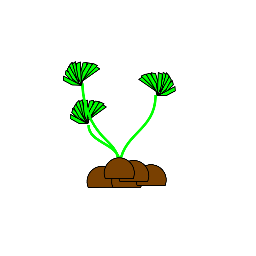
Everyday Uses: Beryllium: Beryllium is combined with other metals and used for springs and machine parts; Magnesium: Magnesium is required to make chlorophyll which is required for plant life.


- Full access to our public library
- Save favorite books
- Interact with authors

- < BEGINNING
- END >
-
DOWNLOAD
-
LIKE
-
COMMENT()
-
SHARE
-
SAVE
-
BUY THIS BOOK
(from $3.19+) -
BUY THIS BOOK
(from $3.19+) - DOWNLOAD
- LIKE
- COMMENT ()
- SHARE
- SAVE
- Report
-
BUY
-
LIKE
-
COMMENT()
-
SHARE
- Excessive Violence
- Harassment
- Offensive Pictures
- Spelling & Grammar Errors
- Unfinished
- Other Problem

COMMENTS
Click 'X' to report any negative comments. Thanks!