
This book is meant for the science teachers to give up on reading it.

Groups and Periods
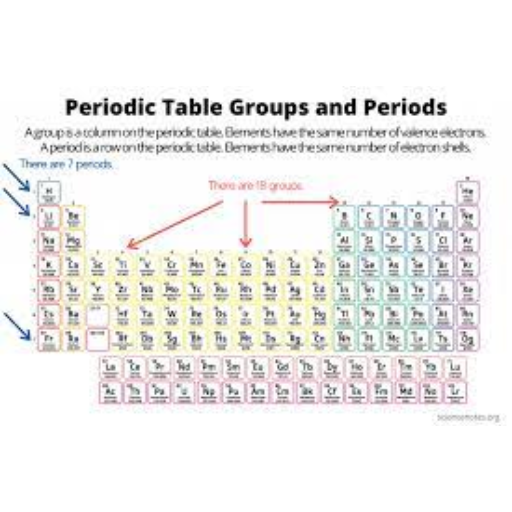
Groups run vertically throughout the periodic table, there are 18 groups in total, and the elements in the same group usually have similar chemical properties, since they have the same number of valence electrons.
Periods run horizontally throughout the periodic table, there are 7 groups in total, and they represent the number of shells or rings that the electrons sit on.

Protons
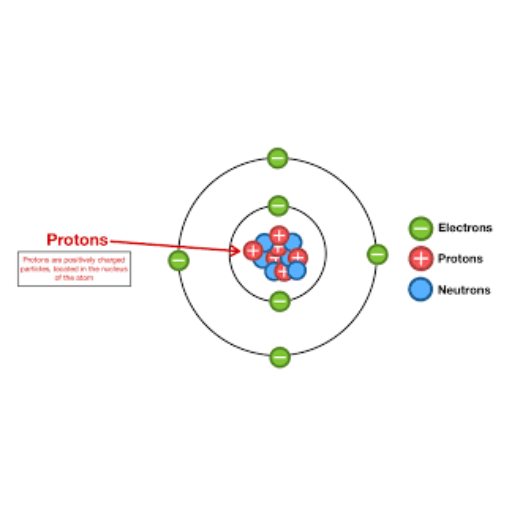
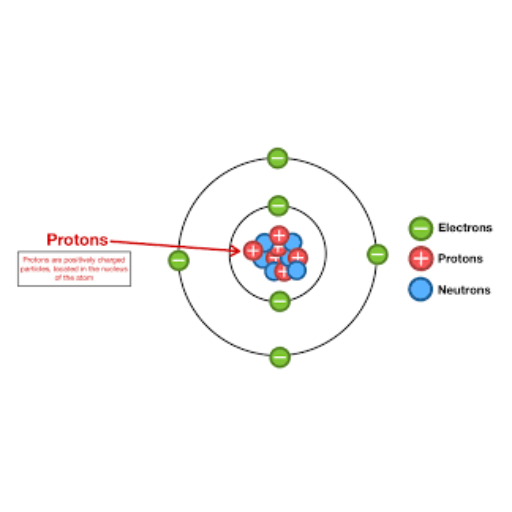
Protons have a mass of 1, and a positive charge. The number of protons determines the element number, it also determines how many electrons there will be since both of them have to balance the charge of the atom at 0 if it’s stable.

Properties
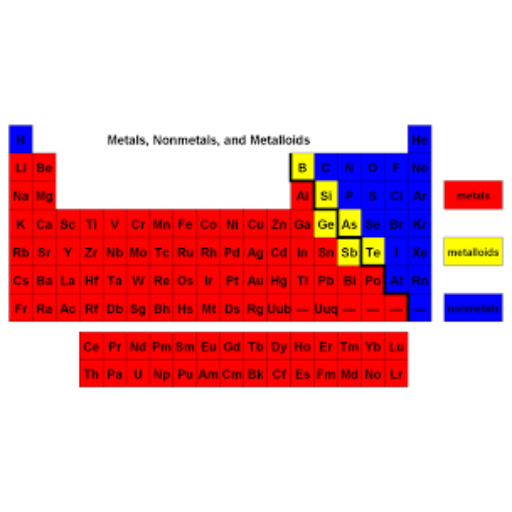
In the periodic table, there are the 3 main types of chemical properties. The metalloids are located at the “stair”, that’s the line that’s usually bolded on the right side of the table, the elements on and around the line are mainly metalloids. The non-metals are located on the right of the metalloids, with hydrogen being the only one that’s on the top left edge. Then the rest of the elements are all metals.

Valence electrons
Valene electrons are the ones that determine the reactivity of an element. Valence electrons are electrons that sit on the outermost shell of an atom, and 8 would be the magic number, meaning it wouldn’t react. 4 is the number that sits in the middle, it is the least reactive, and then it goes from middle to out, which then makes 1 & 7 the most reactive. Elements bond together to try and get themselves to have 8 valence electrons.

element families
Alkali Metals -
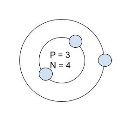
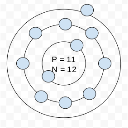
Each alkali metal atom has a single electron in its outermost shell. This valence electron is much more weakly bound than those in inner shells. Alkali metals have high thermal and electrical conductivity, luster, ductility, and malleability which are characteristic of metals.
- Lithium

The most important use of lithium is in rechargeable batteries for mobile phones, laptops, digital cameras, and electric vehicles.
- Sodium
- Potassium

Sodium vapor is used in streetlights and produces a brilliant yellow light.


- Full access to our public library
- Save favorite books
- Interact with authors
I hope you enjoyed it :)

- < BEGINNING
- END >
-
DOWNLOAD
-
LIKE
-
COMMENT()
-
SHARE
-
SAVE
-
BUY THIS BOOK
(from $3.59+) -
BUY THIS BOOK
(from $3.59+) - DOWNLOAD
- LIKE
- COMMENT ()
- SHARE
- SAVE
- Report
-
BUY
-
LIKE
-
COMMENT()
-
SHARE
- Excessive Violence
- Harassment
- Offensive Pictures
- Spelling & Grammar Errors
- Unfinished
- Other Problem

COMMENTS
Click 'X' to report any negative comments. Thanks!