I dedicate this book to the expansion of science in the hopes that it inspires aspiring young scientists to do great things in this fascinating field of study.
I additionally dedicate this book to my 8th grade science teacher, Ms. Thompson who taught me so much about the periodic table and founded by interest in science.

Periods of The Periodic Table
A period in the periodic table is a row of elements. All elements in a row have the same number of electron shells. As you go from left to right, each element has one more proton than the last. Periods are used on the periodic table to keep it organized and to be able accurately identify the properties of an element.
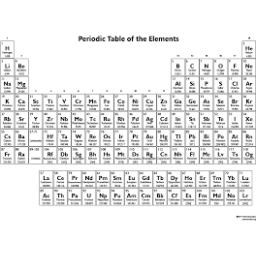
Every row is it own Period. There are seven periods on the periodic table.
Groups of The Periodic Table
A group on the periodic table is a column of elements. All elements in a group have the same number of valence electrons. As you go from the top to the bottom each element has one more energy shell. Groups, similar to periods are used to make finding an element and identifying it significantly easier.
Every column has it's own group. There are eighteen groups/families on the periodic table.
Fun Fact: The further you go from group 13 the more reactive an element is until you reach the noble gases.
What Is Protons
A proton is one of three main particles found in an atom. Protons are found in the nucleus of the atom along with nuetrons. The nucleus is an extremely dense region at the center of the atom. Protons have a positive electrical charge of one and a mass of one atomic mass unit.
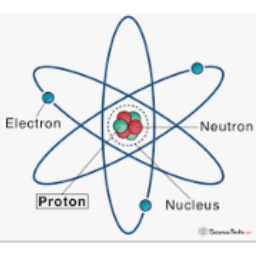
All About Protons
Protons are the particle that determines the identity of an atom based on how many of them there are. Additionally, the elements on the periodic table are arranged from left to right and top to bottom in order of increasing atomic number which is how many protons an element has.
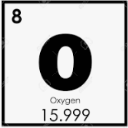
Eight is oxygen's atomic number and also how many protons it has.
What Is An Electron, Valence Electron and Energy Shell
Electrons - To understand a valence electron you must first understand what an electron is. An electron is the smallest of the three main particles that make up an atom. Electrons have a negative charge. There are also always the same number of electrons as protons. Electrons orbit the nucleus of an atom.
Energy Shells - Depending on how many electrons there are there are a certain amount of energy shells. The first shell can hold two electrons, the second shell can hold 8 electrons and the third can hold 18. Some atoms have more electrons than that however that is irrelavent.
What Is An Electron, Valence Electron, and Energy Shell
Valence Electrons - The electrons on the outer shell are called valence electrons and they determine the reactivity of an atom. If an atom has a full shell of valence electrons it or eight valence electrons it is stable and does not react. The closer an atom is to having achieved one of those, the more reactive it is because it is going to try and gain or lose they needed or extra valence electrons. Valenece Electrons additionally help organize the periodic table because across each row, or period, of the periodic table, the number of valence electrons in groups one to two and thirteen to eighteen increases by one from one element to the next.
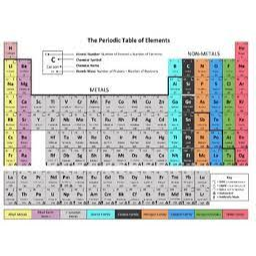
Elemental Properties - Periodic Table Organization
As aforementioned
the Periodic Table is organized in
an extremely inventive way with the
atomic weight and atomic number
increasing as you work your way right along the periodis and the amount of valence electrons increasing by one as you go down the groups. The Periodic Table is also organized in three sections with all the metals on the left and middle, the staircase housing the metalloids and the right containing all the nonmetals. The only exception to this is Hydrogen which is in the top left even though it is a nonmetal.
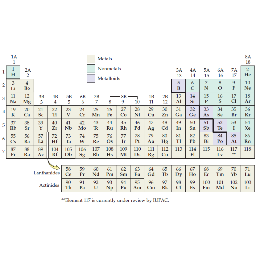
Elemental Properties - Properties of Metals, Nonmetals, and Metalloids
Properties of Metals: Metals are good conductors of heat and electricity because they contain extra electrons that get shared between the metal's atoms, they are malleable and ductile. Most are solids at room temperature, with a silvery shine.
Properties of Nonmetals: Nonmetals are usually poor conductors of heat and electricity, not malleable, ductile, nor lustrous and many of them are gases at room temperature though some are solids and liquids.
Properties of Metalloids: Metalloids have properties of both metals and nonmetals. Typically their physical appearance is similar to metals however their physical properties mostly resemble nonmetals and Semi-conductors of electricity.
Family Names
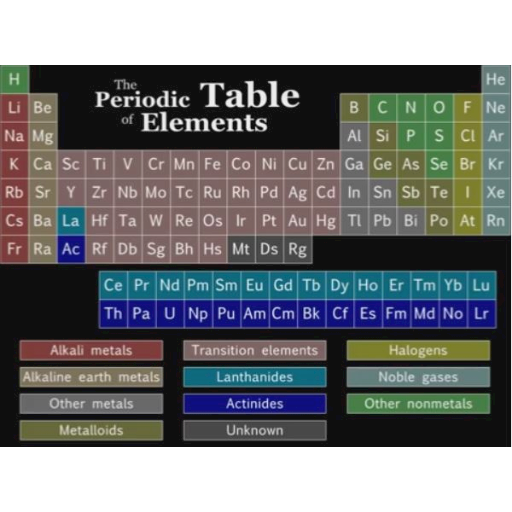
There are seven families on the periodic table, these include Alkali Metals, Alkaline Earth Metals, Transition Metals, the Boron Family, the Carbon Family, the Nitrogen Family, the Oxygen Family, Halogens, and Noble Gases. Each of these families are grouped together in different areas of the periodic table because they share different charecteristics.
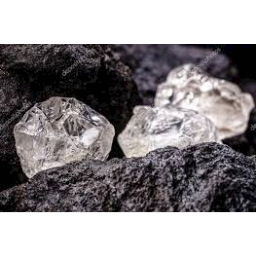
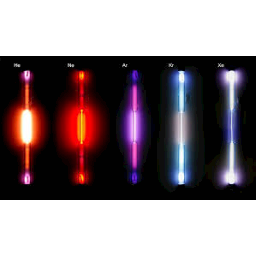

Each of the beams is a differet noble gas such.
These are the transition metals.
This gas is one of the halogens.
Elements In The Family
There are 118 elements on the periodic table and here are the most common in each group.
Alkali Metals - Lithium, Sodium, and Potassium.
Alkiline Earth Metals - Calcium, Berryllium, and Magnesium.
Transition Metals: Copper, Iron, and Zinc.
Boron Family Elements - Boron, Aluminum, and Gallium.
Carbon Family Elements - Carbon, Silicon, and Lead.
Nitrogen Family Elements - Nitrogen, Phosphorus, Arsenic.
Oxygen Family Elements - Oxygen, Sulfur, and Tellurium.
Halogens Family - Fluorine, Chlorine, and Bromine
Noble Gases Family - Helium, Argon, and Neon.
Alkali Metals
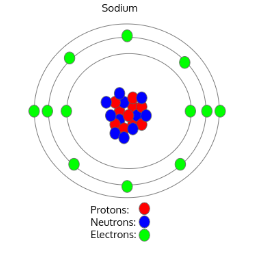
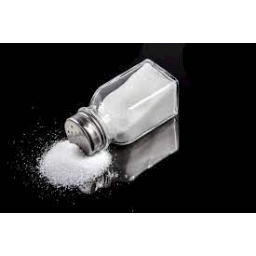
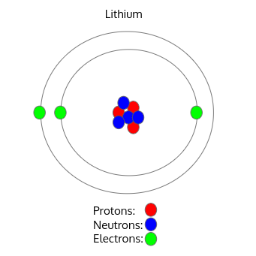
Alkali metals are very good conducters of both heat and electricity, they are lustrous, ductile, malleable, have low melting points and are highly reactive. Each Alkali Metal atom has a single electron in its outermost shell. Sodium is a very common elemet that makes up 2.6% of Earth's crust. Sodium has many uses but its most common one is being a component of salt. Lithium on the other hand is relatively rare because it is found in extremely low concentrations. Much more common than it is to find Lithium is the element being used in batteries. Overall, Alkali Metals are an extremely interesting family.

Alkaline Earth Metals
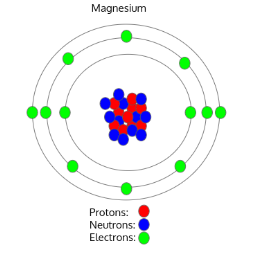
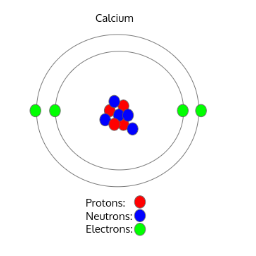
Alkaline earth elements are metallic and good conductors of electricity. They have a lustre when and tarnish when exposed. Each alkali metal atom has a single electron in its outermost shell. Two of the most common elements in the Alkaline Earth Metal family are Magnesium and Calcium. Magnesium is a very common element that is used in lots of different kinds of technology including computers and smartphones. Calcium is known for being what help keeps your bones strong however it also prevents blood clots and keeps nerve functions strong.


Transition Metals
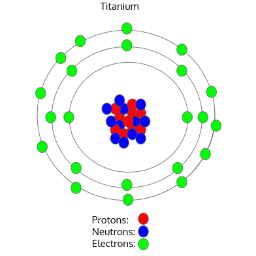
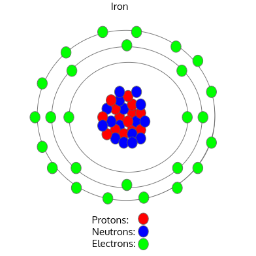
Transition metals have very similar charecteristis to Alkili Metals and Alikili Earth Metals such as being good conductors of heat and electricity, and being malleable. However, these metals typsically have high melting points and are somewhat less reactive. Iron is an extremely common metal that is very reactive. It is lustrous, ductile, malleable, easily tarnishes and is a silvery grey color. All of these properties are why Iron is used in a variety of ways such as in construction. Titanium has very similar properties to Iron except for the fact that it is much less dense. One of Titanium's uses is joint replacements.


- Full access to our public library
- Save favorite books
- Interact with authors
Thank You For Reading
- < BEGINNING
- END >
-
DOWNLOAD
-
LIKE(1)
-
COMMENT()
-
SHARE
-
SAVE
-
BUY THIS BOOK
(from $5.99+) -
BUY THIS BOOK
(from $5.99+) - DOWNLOAD
- LIKE (1)
- COMMENT ()
- SHARE
- SAVE
- Report
-
BUY
-
LIKE(1)
-
COMMENT()
-
SHARE
- Excessive Violence
- Harassment
- Offensive Pictures
- Spelling & Grammar Errors
- Unfinished
- Other Problem






COMMENTS
Click 'X' to report any negative comments. Thanks!