Lifestyle and customs of tribal groups on the plains
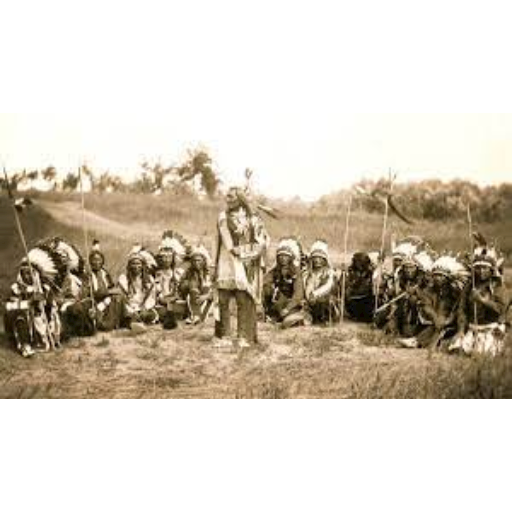
While men hunted women did domestic activities such as cooking, sewing, and made tools while taking care of the children. Tribes had chiefs who advised the council of elders who made decisions for the tribe. They fed off vast plains of buffalo which was their largest food source. Indians used every single piece of the buffalo to make clothing, tipis, robes, shields, and ropes from their hides. Some strategies used to hunt Buffalo were herding them off cliffs to be killed and surrounding them in tunnels. Lastly, the Spaniards brought horses to the Indians which allowed tribes to travel faster and transport goods easier.

Battle/Massacre at Wounded Knee
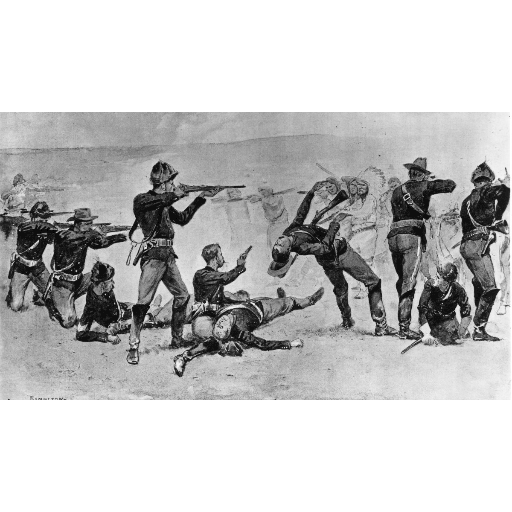
After years of poor treatment, the desperate Sioux tribe turned to the advice given by a Paiute profit named Wovoka who told them to perform the ghost dance ritual to bring back the buffalo, restore their lands, and remove the whites. However, this action alarmed US officials who attempted to arrest the tribe's chief, Sitting Bull. Sitting Bull was killed during the arrest and violence broke out. This led to 350 Sioux being forced to relocate to a camp at Wounded Knee Creek where violence again broke out, resulting in their death.

Lifestyle of American settlers/American Cowboys and Vaqueros
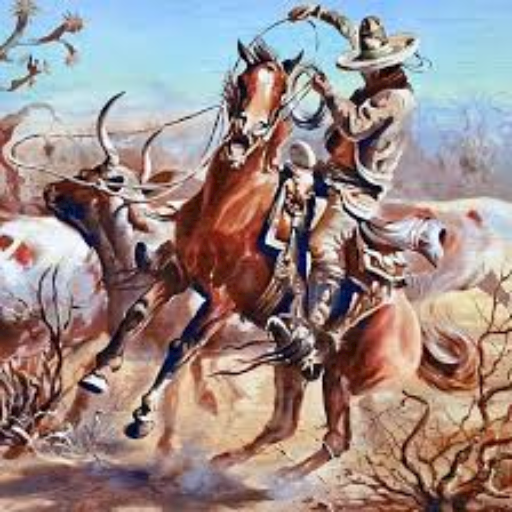
American cowboys learned their way of life from Mexican ranchers. They adopted their skills, attire, food, and vocabulary from the vaqueros. They learned how to manage herds on open land, round up, rope, brand and care for animals. Mexican vaqueros were the first to wear spurs to control their horses. However, American cowboys added new things to their lifestyles such as cowboy boots and bandanas.

Sitting Bull
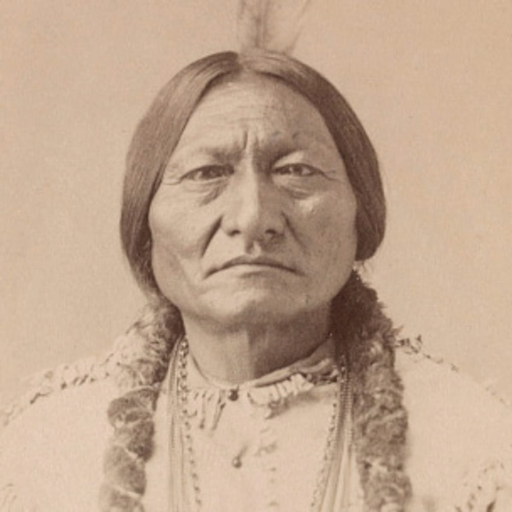
Sitting Bull was 14 years old when he joined his first war party. He was not always considered a powerful person, many people called him "slow" for his apparent lack of skill. However, He becomes the Chief of the Lakota Nation because of his skills as a warrior and of the respect of his people.

Problems with the railroad/abuses
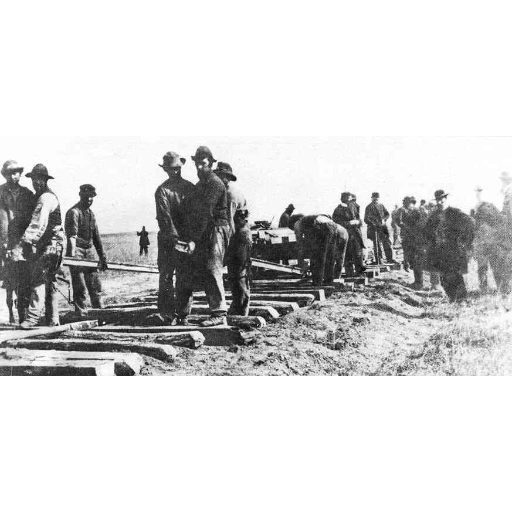
Many Chinese and Irish immigrants worked on the railroad. They received poor pay, long hours, and were required to complete an excessive amount of physical labor. Additionally, the land was sold to businesses rather than settlers there were fixed prices that kept farmers in dept. Furthermore, George Pullman created a company-controlled town for workers which led to a strike in 1894. However, the supreme court's decision in Munn vs. Illinois challenged the power of Railroad companies. Lastly, Granger Laws created a state commission to establish maximum height rates and maximum passenger rates, as well as prohibited discrimination on the railroads.

Working Conditions in factories and rise of labor Unions
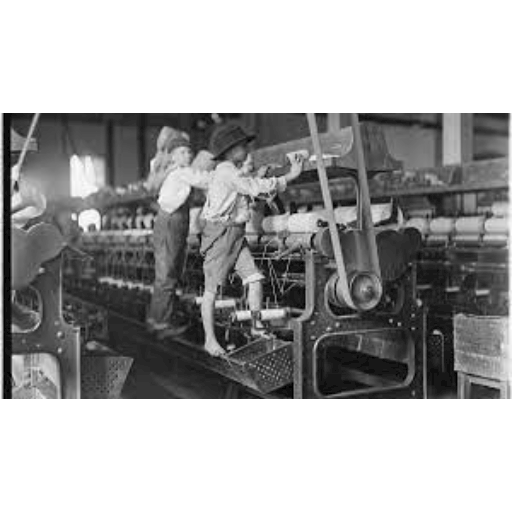
Factory workers worked 6-7 days a week and 12 plus hours a day. They weren't given any vacations, sick leave, or unemployment. They worked in hazardous conditions which included poor ventilation. Women and children were targeted by employers who only offered them low-skilled positions that had poor pay. Unions were formed to demand change in better working conditions and hours for factory workers. Unions lead strikes as a form of collective bargaining. For example, the Homestead Strike broke out among steel workers, resulting in violence and ineffective. One reason why the strike was ineffective was due to scabs who took jobs of the union workers when they went on strike.

- Full access to our public library
- Save favorite books
- Interact with authors

- < BEGINNING
- END >
-
DOWNLOAD
-
LIKE
-
COMMENT()
-
SHARE
-
SAVE
-
BUY THIS BOOK
(from $4.19+) -
BUY THIS BOOK
(from $4.19+) - DOWNLOAD
- LIKE
- COMMENT ()
- SHARE
- SAVE
- Report
-
BUY
-
LIKE
-
COMMENT()
-
SHARE
- Excessive Violence
- Harassment
- Offensive Pictures
- Spelling & Grammar Errors
- Unfinished
- Other Problem

COMMENTS
Click 'X' to report any negative comments. Thanks!