

Countries-Schools:
Spain - University of Salamanca
Germany - Gertud Koch Gemastschule
Poland - Zespół Szkół Ogólnokształcących nr 2 ul.Wodnika 57 80-299 Gdańsk
Turkey - Mehmetçik Anatolian Corum
Greece - 1st Geniko Lykeio Amaliadas
Scenario for Pollinators
Scenario:
"The importance of pollinators, and how to protect them"
Students age: 15-18
Duration: 3 hours
Hour 1st: Introduction to Pollinators
Hour 2: Hands-on Activities
Hour 3: Pollinator Conservation and Advocacy
Duration: 3 hours
Learning Objectives:
Additional Notes:
Understanding the Locations
Scenario Adaptations
.
Shared Activities and Themes
Additional Considerations
By tailoring the scenario to each location's unique characteristics, students can gain a deeper understanding of pollinators and their role in local ecosystems.
Multiple Choice Quiz:
A) Animals that eat plants
B) Insects that live in flowers
C) Animals that help plants reproduce
D) Birds that build nests in trees
2. Which of the following is NOT a pollinator?
A) Butterfly
B) Bee
C) Hummingbird
D) Spider
3 .How do pollinators help plants reproduce?
A) By eating the seeds
B) By carrying pollen from one flower to another
C) By building nests in the plants
D) By scaring away other animals
4. What can happen if there are not enough pollinators?
A) The plants will all die
B) The animals will not have enough food
C) There will be fewer fruits and vegetables
D) All of the above
5. Which of the following is a way to help pollinators?
A) Planting flowers that are attractive to pollinators
B) Using pesticides that kill pollinators
C) Cutting down trees
D) Leaving the garden messy
Scenario for Climate change
Students Age: 15-18
Duration: 3 hours
Materials: 3D printer, laser cutter, interactive board, school garden, experts from university, crayons, papers, PC, tablet
Our school is concerned about the increasing impacts of climate change and wants to take action. As a group of students, we've been tasked with creating a project to educate our classmates and community about climate change and develop solutions.
Project Outline:
Hour 1: Understanding Climate Change
Hour 2: Hands-on Activities
Hour 3: Community Engagement
Learning Objectives:
Remember to adapt this scenario to fit the specific interests and resources of
your school and community. By engaging in this project, students can play a vital role in raising awareness about climate change and taking action to create a more sustainable future.
Understanding the Locations
Scenario Adaptations
Shared Activities and Themes
Additional Considerations
By tailoring the scenario to each location's unique characteristics, students can gain a deeper understanding of climate change and its impacts, as well as develop relevant solutions for their communities.
A) Volcanic activity
B) The Earth's natural temperature fluctuations
C) Human activities, particularly the burning of fossil fuels
D) Changes in solar radiation
2. Witch of the following is a major greenhouse gas?
A) Oxygen
B) Nitrogen
C) Carbon dioxide
D) Hydrogen
3. How does climate change affect sea levels?
A) It has no effect on sea levels.
B) It causes sea levels to rise.
C) It causes sea levels to fall.
D) It causes unpredictable changes in sea levels.
4. What are the consequences of climate change for agriculture?
A) Increased crop yields
B) More predictable weather patterns
C) Decreased water availability
D) No significant impact
A) It has no effect on biodiversity.
B) It increases biodiversity.
C) It decreases biodiversity.
D) It has unpredictable effects on biodiversity.
2. What are extreme weather events associated with climate change?
A) Hurricanes, floods, and droughts
B) Earthquakes and tsunamis
C) Volcanic eruptions and landslides
D) None of the above
3. How does climate change affect human health?
A) It has no effect on human health.
B) It improves human health.
C) It increases the risk of heat-related illnesses and infectious diseases.
D) It decreases the risk of chronic diseases.
A) It is not important.
B) It can help to develop global solutions.
C) It can hinder progress.
D) It is irrelevant.
2. Which of the following is a sustainable practice to reduce greenhouse gas emissions?
A) Deforestation
B) Increased reliance on fossil fuels
C) Energy conservation and efficiency
D) Waste disposal in landfills
3. Would you like me to provide answers or create more questions?
Duration: 3 hours
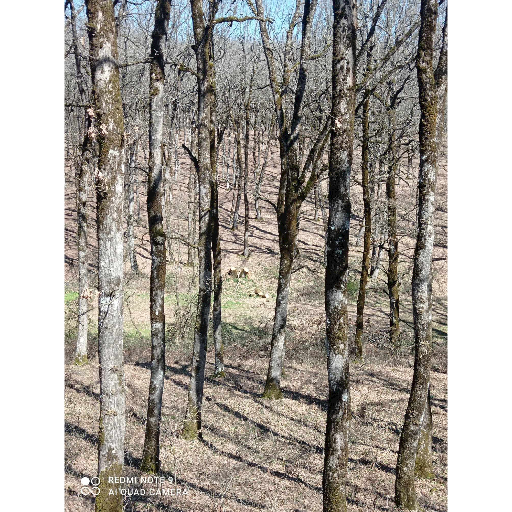
Location: Outdoors (if possible) or a classroom with access to natural light and outdoor resources.
Scenario:
Our school is concerned about the impact of climate change on local forests and wants to take action. As a group of students, we've been tasked with creating a project to educate your classmates and community about the importance of forests in
combating climate change and develop a plan to protect local forests.
Project Outline:
Hour 1: Understanding the Role of Forests
Hour 3: Developing a Forest Protection Plan
Learning Objectives:
By engaging in this project, students can play a vital role in protecting local forests and combating climate change.
Understanding the Locations
Scenario Adaptations
By tailoring the scenario to each location's unique characteristics, students can gain a deeper understanding of forests and their role in addressing climate change, as well as develop relevant solutions for their communities.
A) Increasing greenhouse gas emissions
B) Absorbing carbon dioxide
C) Reducing rainfall
D) Increasing deforestation
2. How do forests contribute to biodiversity?
A) By destroying habitats
B) By providing food and shelter for various species
C) By reducing the number of species
D) By causing pollution
3. What are the consequences of deforestation?
A) Increased biodiversity
B) Improved soil quality
C) Climate change
D) Reduced water pollution
4. Why are old-growth forests particularly important for climate change mitigation?
A) They are less efficient at storing carbon.
B) They are more susceptible to pests and diseases.
C) They store more carbon per unit area than younger forests.
D) They are easier to manage.
5. What is the role of sustainable forest management in combating climate change?
A) Promoting deforestation
B) Ensuring the long-term health and productivity of forests
C) Ignoring the impact of climate change
D) Reducing the economic value of forests
A) The process of planting new trees to replace those that have been cut down
B) The destruction of forests
C) The preservation of existing forests
D) The burning of forests
2. How can community-based forest management help protect forests?
A) By giving local communities no control over forest resources
B) By promoting unsustainable practices
C) By empowering local communities to manage and protect forests
D) By ignoring the needs of local communities
3. What is the role of international cooperation in forest protection?
A) It is not important
B) It can help to develop global solutions
C) It can hinder progress
D) It is irrelevant
4. How can consumers contribute to forest protection?
A) By purchasing products from companies that support deforestation
B) By ignoring the source of products
C) By choosing products made from sustainably sourced materials
D) By increasing their consumption of wood products
5. What is the importance of forest conservation education?
A) It is not necessary
B) It can raise awareness and promote responsible behavior
C) It can hinder progress
D) It is irrelevant

Scenario for Smart shopping for teenagers
Duration: 3 hours
Materials: Physics and chemistry labs, laser cutter, 3D printer, crayons, PC, tablet
Scenario:
Our school is interested in promoting responsible consumerism among teenagers. As a group of students, we've been tasked with creating a project to educate your classmates about smart shopping practices, including the environmental and social impacts of consumer choices.
- Full access to our public library
- Save favorite books
- Interact with authors
- < BEGINNING
- END >
-
DOWNLOAD
-
LIKE
-
COMMENT()
-
SHARE
-
SAVE
-
BUY THIS BOOK
(from $20.59+) -
BUY THIS BOOK
(from $20.59+) - DOWNLOAD
- LIKE
- COMMENT ()
- SHARE
- SAVE
- Report
-
BUY
-
LIKE
-
COMMENT()
-
SHARE
- Excessive Violence
- Harassment
- Offensive Pictures
- Spelling & Grammar Errors
- Unfinished
- Other Problem






COMMENTS
Click 'X' to report any negative comments. Thanks!