Differentiated Instruction Strategy

Differentiated Instruction Strategy
Description: Differentiated Instruction is a teaching strategy that involves tailoring instruction to meet the diverse needs, skill levels, and interests of students. This approach ensures that all students can engage in activities at their level of ability.
Differentiated Instruction Strategy
Example:
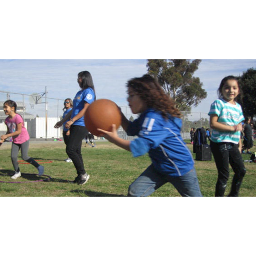
In a PE class, I can use Differentiated Instruction by setting up multiple stations with activities of varying difficulty. For example, during a basketball unit, one station can focus on basic dribbling for beginners, while another allows advanced students to practice dribbling around cones or taking shots from different distances.
Peer Teaching Strategy

Peer Teaching Strategy
Description:
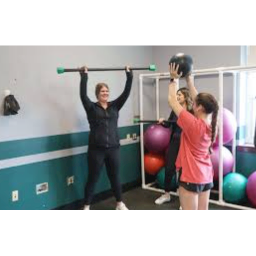
Peer Teaching involves students teaching each other under the guidance of the instructor. It encourages collaboration, communication, and leadership skills, and allows students to learn from one another.
Peer Teaching Strategy
Example:
In PE, I can assign partners or small groups where students take turns demonstrating exercises or sports techniques, like passing a soccer ball or performing a gymnastics move. This approach helps reinforce their understanding of the skill and allows them to practice giving and receiving constructive feedback.
Task Cards Strategy

Task Cards Strategy
Description:
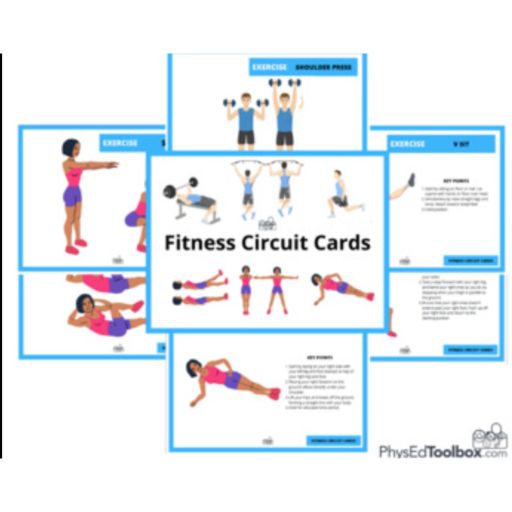
Task Cards are visual or written instructions provided on cards that outline specific activities or exercises. They can be used as stations or challenges and allow students to work independently or in small groups.
Task Cards Strategy
Example:
I will create task cards for different exercises, such as jumping jacks, squats, and push-ups, or for sport-specific drills like dribbling a soccer ball. Students can rotate through stations using the cards as a guide, ensuring they understand and perform each task correctly.
Visual Cues Strategy

Visual Cues Strategy:
Description:
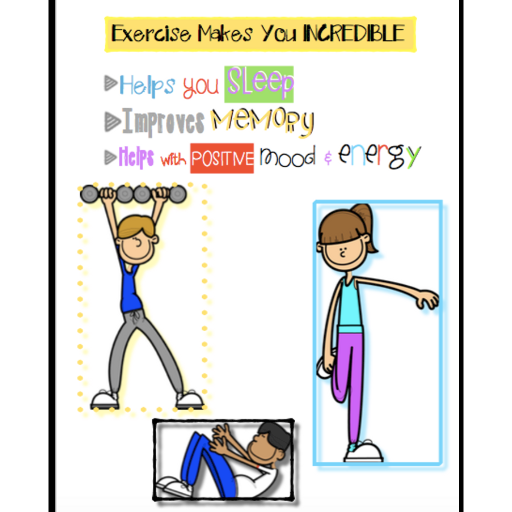
Visual Cues are images, posters, or demonstrations that provide students with clear and understandable instructions on how to perform a task. They can be used to reinforce verbal instructions and help students remember key movements.
Visual Cues Strategy:
Example:
In PE, I’ll post pictures of proper form for exercises like lunges or jumping, or display diagrams showing the rules of a game. These visuals will help students who learn best by seeing instructions and will serve as reminders during activities.
Small-Sided Games Strategy

Small-Sided Games Strategy:
Description:
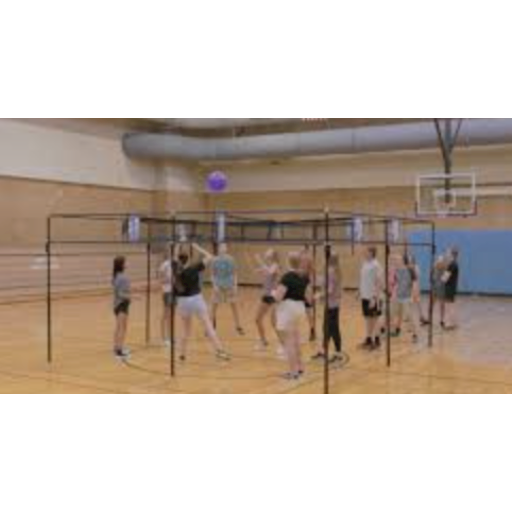
Small-Sided Games involve students playing games with fewer participants, allowing for more touches on the ball, increased participation, and better skill development.
- Full access to our public library
- Save favorite books
- Interact with authors

- < BEGINNING
- END >
-
DOWNLOAD
-
LIKE
-
COMMENT()
-
SHARE
-
SAVE
-
BUY THIS BOOK
(from $4.79+) -
BUY THIS BOOK
(from $4.79+) - DOWNLOAD
- LIKE
- COMMENT ()
- SHARE
- SAVE
- Report
-
BUY
-
LIKE
-
COMMENT()
-
SHARE
- Excessive Violence
- Harassment
- Offensive Pictures
- Spelling & Grammar Errors
- Unfinished
- Other Problem

COMMENTS
Click 'X' to report any negative comments. Thanks!