
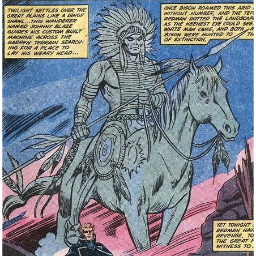
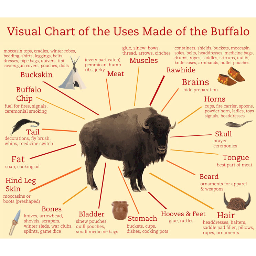
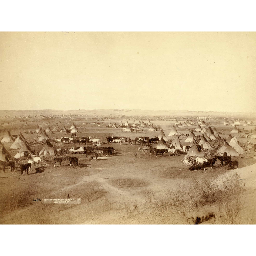
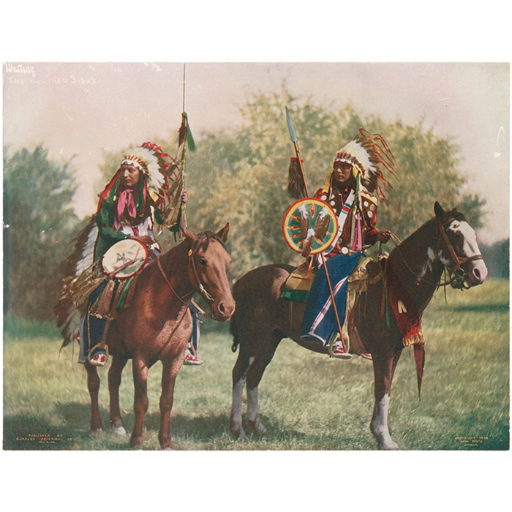
The Native Americans had a unique style of living. Adopted from the Spanish, they used horses for transportation and hunting wildlife. The primary source of food they would hunt was Buffalo; from the body, they could make clothing, shields, tools, and even glue. In the tribal culture, the men hunted these buffalo's and other animals while the women were expected to cook them. Surprisingly, women were allowed to choose their spouses at the time. While living in small villages with others who spoke the same language, they ruled by counsel rather than an individual to avoid having one man dominate the group. Lastly, they believed the world was influenced by the spirits who controlled the occurrences of life. People who strongly connected to these spirits became shamans and medicine men.
Lifestyle + Customs of Tribal groups
on the Plains
Battle/Massacre at Wounded Knee
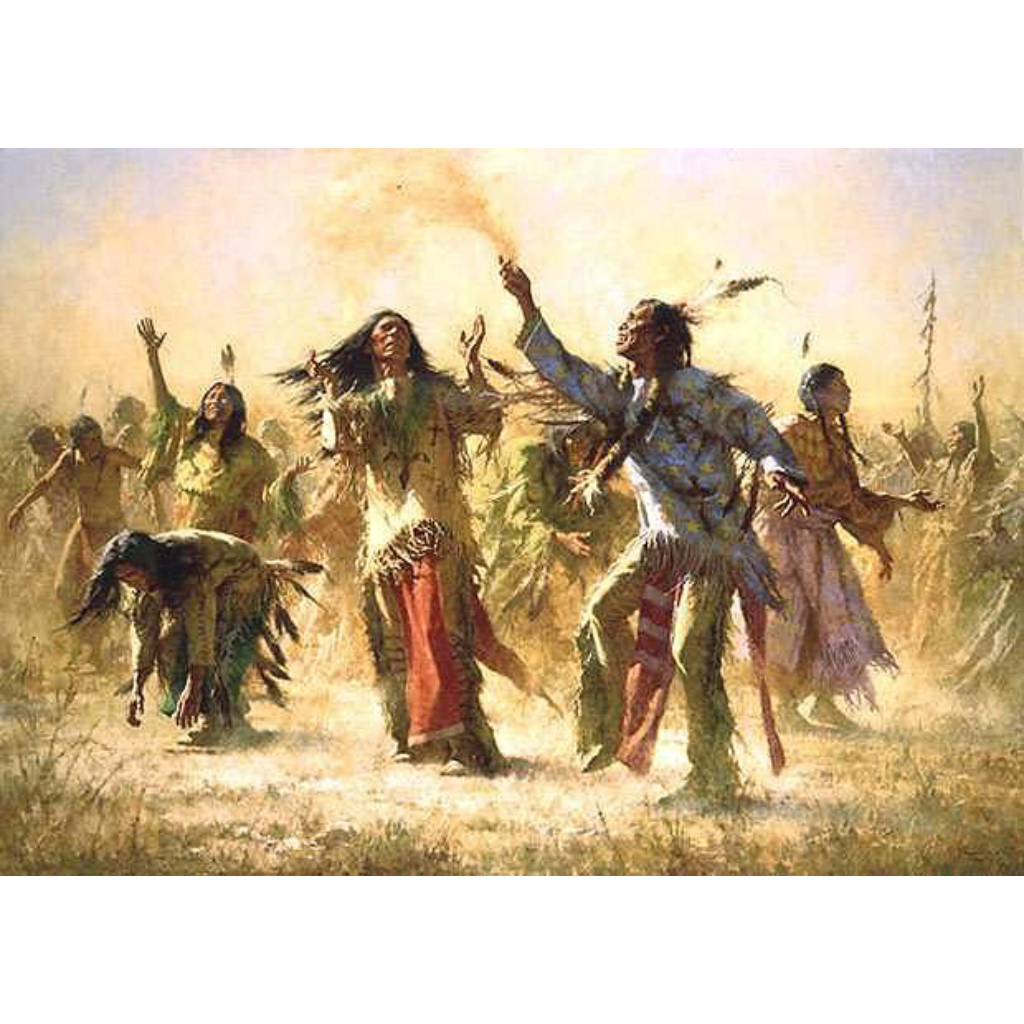
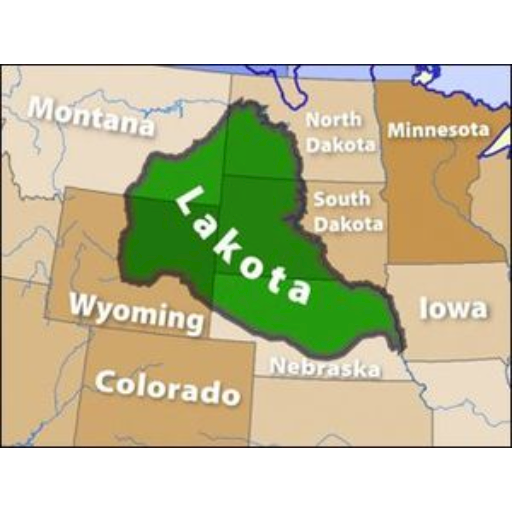
For decades, the Native Americans had endured years of broken treaties and treaties against the Americans. In spite of this, they would perform a unique tradition called the "Ghost Dance," believing it would repel the oppression of the white men and even reflect bullets. However, the federal government banned this tradition, thinking it was a sign of an uprising among the people. In an attempt to arrest a strong Native leader for standing up against the government, they chased him and his companions toward the bank of wounded knees. Resulting in 150 Lakota and 25 American casualties/deaths.
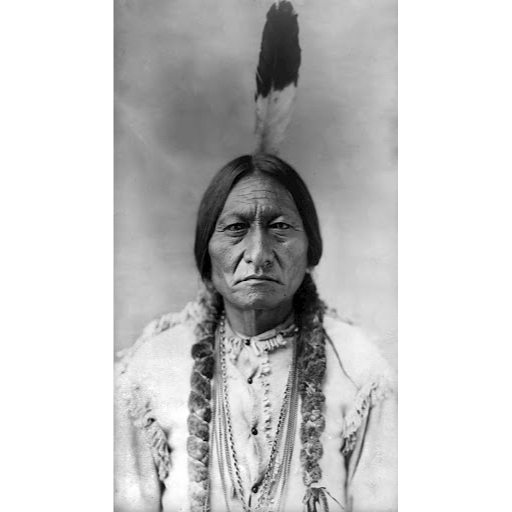
Sitting Bull
Sitting Bull was the same military leader of the Lakota who stood up for his beliefs. At first, he was never seen as a powerful person, which was expected because of his father's reputation as a warrior. He began by joining his first war party at 14 years old. He later showed his impressive skills as a warrior in his previous battles. With his strong beleif in defending his land and the respect he'd earned as leader of the Strong Heart Society, he was named Chief of the Lakota Nation.
Common lifestyle of American Settlers/Cowboys/Vaqueros
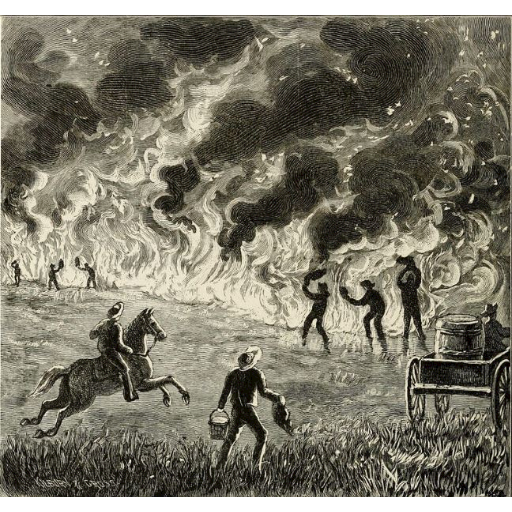
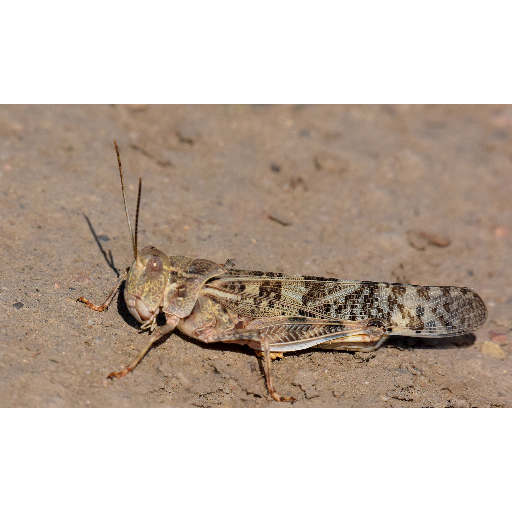
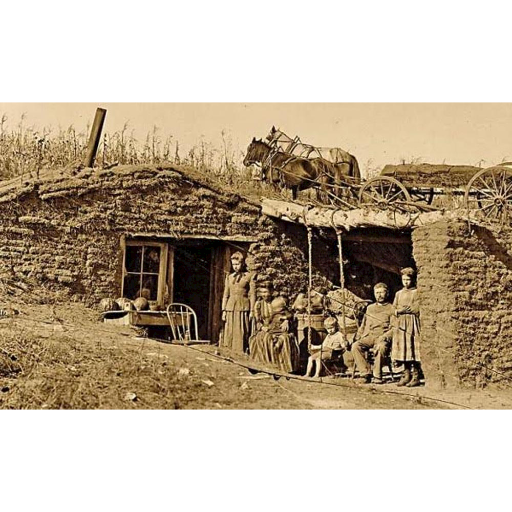
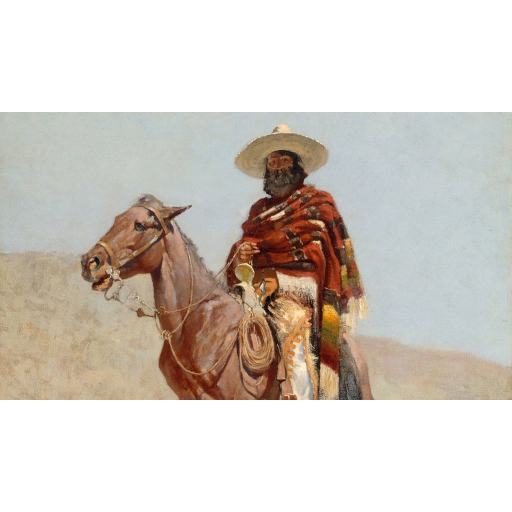
The lifestyle of American Settlers was challenging and daring. Those living out in the Plains endured droughts, fires, blizzards, locusts, plagues, and occasional raids. Some of these included Vaqueros, the "first" cowboys, originating from a Mexican Ethnicity whose job was to manage herds. It was from them that American cowboys developed their culture. They rounded and controlled cattle the same way the Vaqueros did, but they didn't earn high pay, worked long hours, and did odd jobs for a meal. Other settlers would live in innearth-made homes called soddy's. Men would either try to farm/harvest crops in the desolate land or build the new railroads. On the other hand, women fed and made clothes for their families; they occasionally worked among the men while raising the animals and children.
Railroad Problems/Abuses
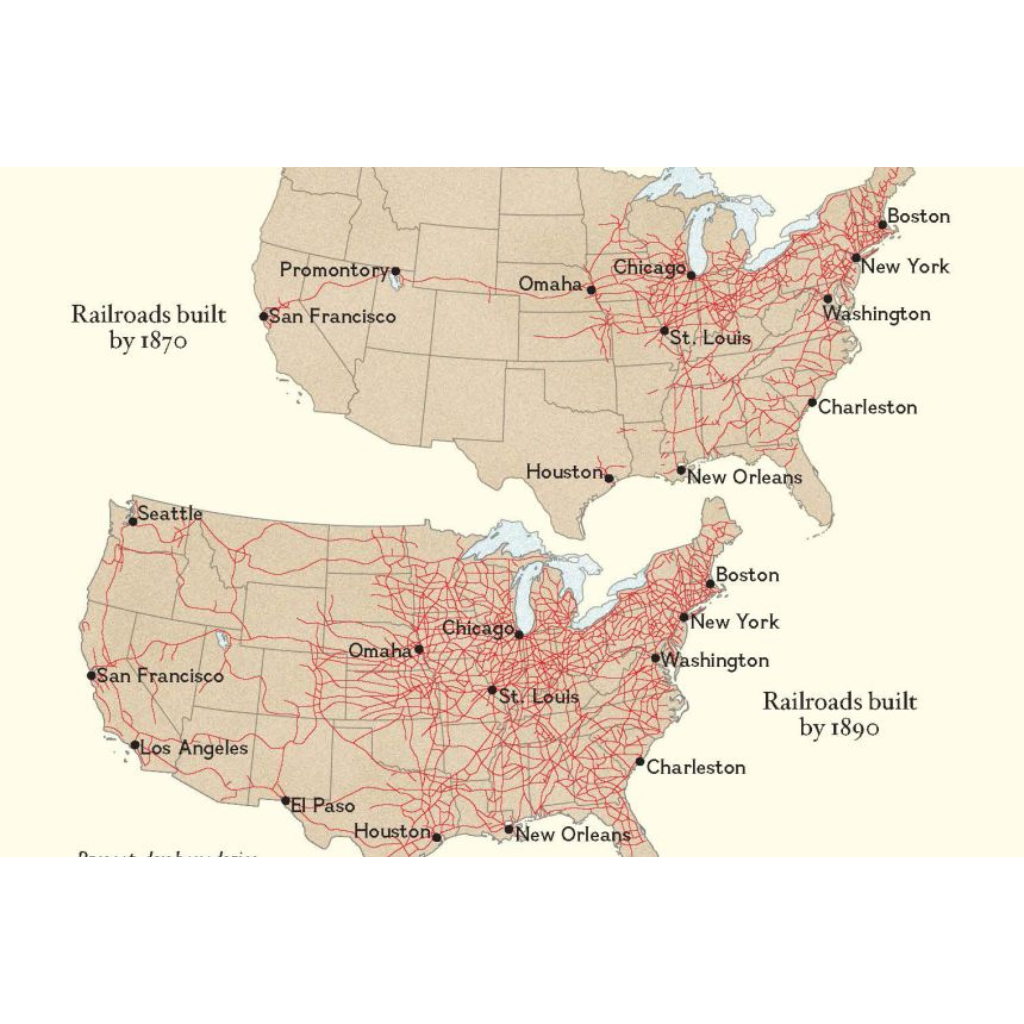
In the early stages of the industrial age, the Central and Pacific Union companies made a railroad to connect all parts of America. Although the idea sounded great, mostly Chinese and Irish immigrants worked endless hours and days to construct it. Because of the low competition with the railroad companies, they began to overuse their economic power. For instance, they sold government land grants to businesses instead of settlers to make a higher profit and charged unreasonable prices to different customers, including farmers. By keeping farmers in debt, they could create an even bigger profit because of how deeply they rely on the railroad to transport their goods.
Working Conditions in Factories + Rise of Labor Unions
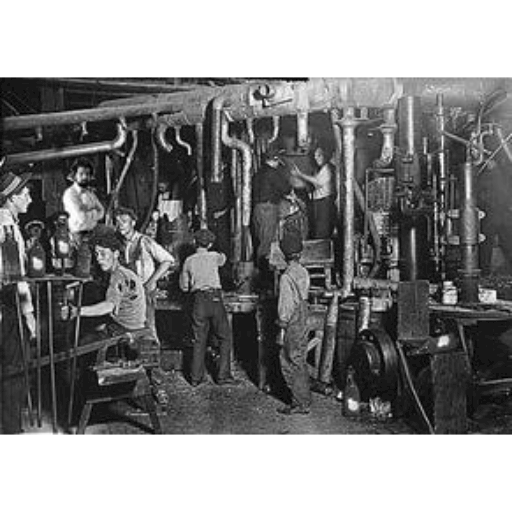
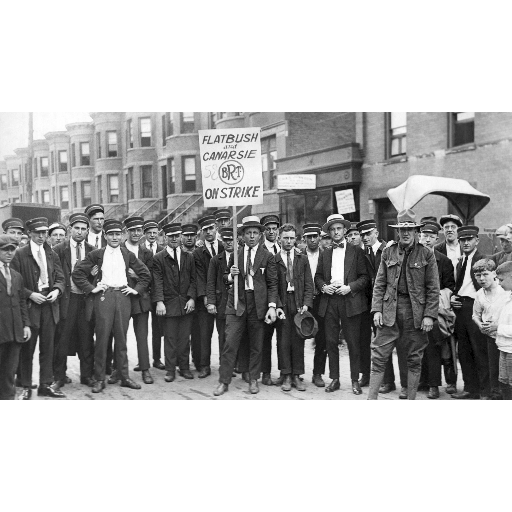
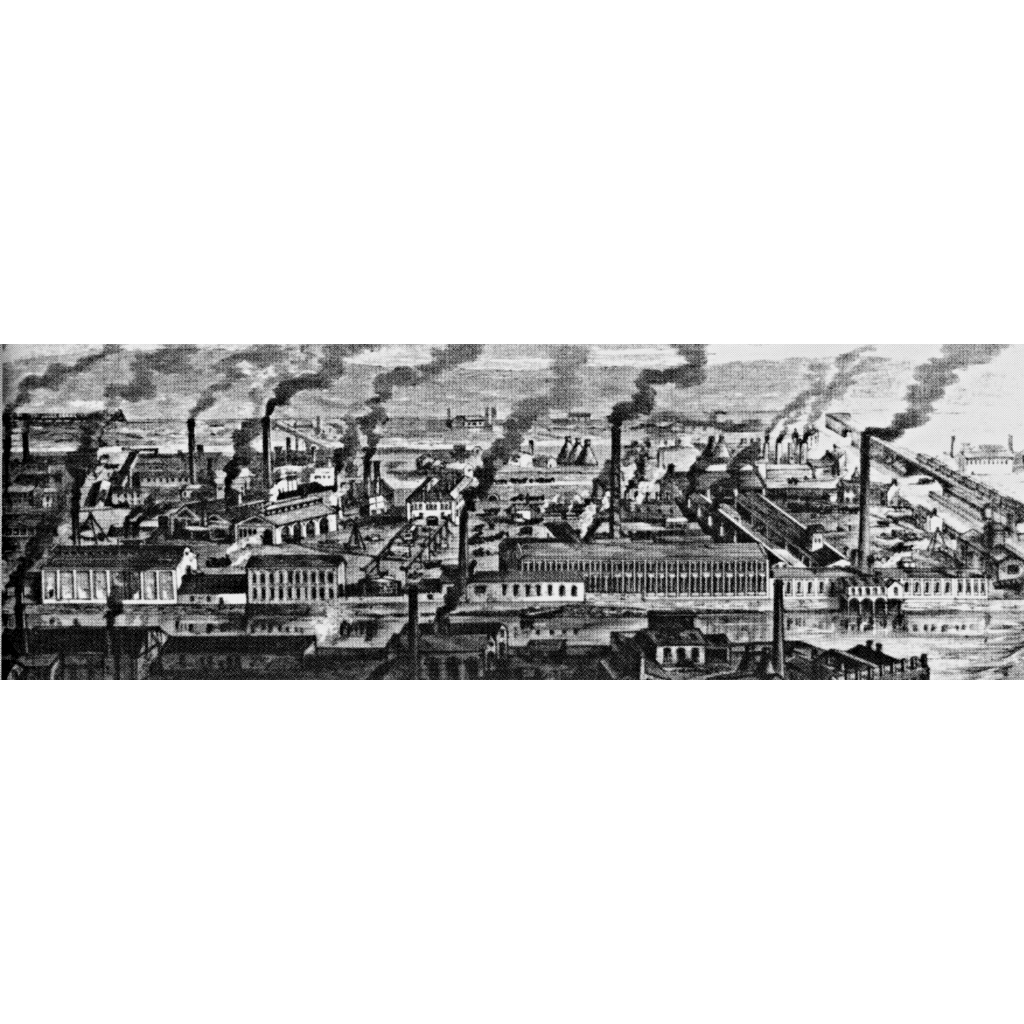
Men, women, and children who worked in factories endured 6 to 7 days of endless exhaustion. They were not allowed to have vacations or sick leave. They also had to work in dangerous environments with little to no ventilation, lighting, and repetitive tasks for 12 hours a day. As a result, the workers banded together to form Labor Unions to strike against companies and demand better working conditions. Companies would hire scabs who went against the strike to work for a potentially higher payment in demand for a loss of workers.
- Full access to our public library
- Save favorite books
- Interact with authors
- < BEGINNING
- END >
-
DOWNLOAD
-
LIKE
-
COMMENT()
-
SHARE
-
SAVE
-
BUY THIS BOOK
(from $3.99+) -
BUY THIS BOOK
(from $3.99+) - DOWNLOAD
- LIKE
- COMMENT ()
- SHARE
- SAVE
- Report
-
BUY
-
LIKE
-
COMMENT()
-
SHARE
- Excessive Violence
- Harassment
- Offensive Pictures
- Spelling & Grammar Errors
- Unfinished
- Other Problem






COMMENTS
Click 'X' to report any negative comments. Thanks!