

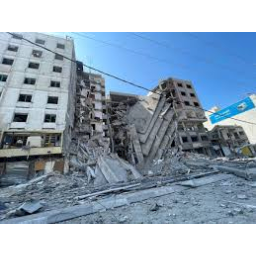
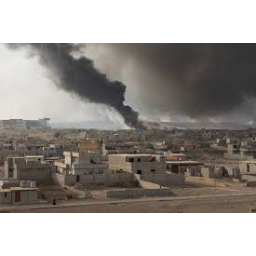
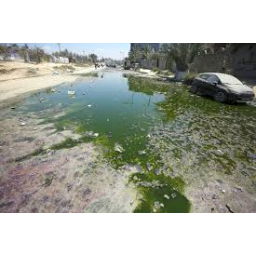

Destruction of the environment
Forced displacement and urbanisation
Human health problems
Trends in post-war recovery strategies

Content:

Destroying the environment
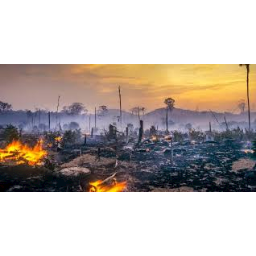
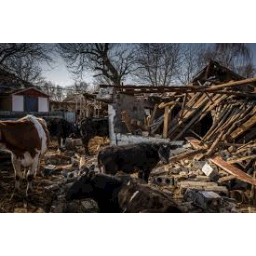
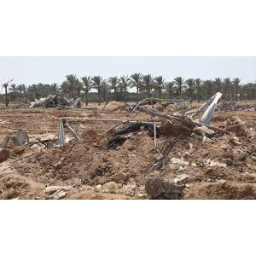
Wars often lead to environmental pollution, deforestation, water and air pollution. For example, wars use weapons that cause long-term damage to ecosystems.


Wars often involve the mass use of weapons that cause direct damage to nature and ecosystems:
Chemical weapons - Chemical weapons, such as poisonous substances, can cause soil and water contamination.
Flammable mixtures - napalm bombing was used during the wars, especially in Vietnam, destroying large areas of forest and causing lasting ecological changes.
Explosives and ammunition - their use can lead to soil and water contamination, especially with heavy metal particles that build up over time and poison ecosystems.
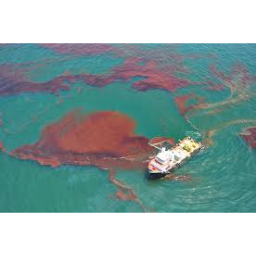
Pollutants and wastewater
Infrastructure such as oil tanks, chemical factories and water supply systems are often damaged in wars:
Oil and chemical spills - bombs and missiles can cause large oil spills that pollute rivers, seas and coastlines.
Environmental radiation - the use of nuclear weapons or the disintegration of nuclear facilities can lead to radiation leaks, which have long-lasting and irreversible effects on the environment.


Deforestation of forests and agricultural land
Wars often involve intense deforestation and land destruction:
Deforestation - During wars, forests are often destroyed or used as strategic territory to protect military bases or as defensive fortifications. Forests can also be directly set on fire to cause disruption to enemy troops.

Affected agricultural production - wars and conflicts often render agricultural land unusable through contamination, landmines or outright destruction. This reduces food supplies and increases the risk of famine.


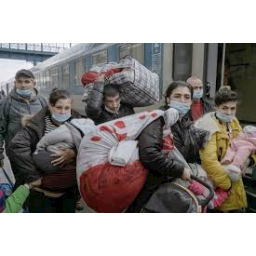
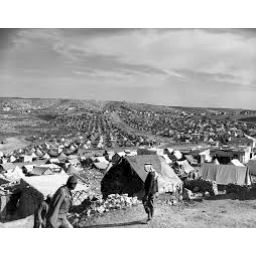
Forced displacement and urbanisation
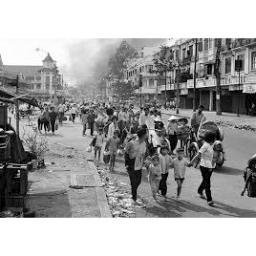
Wars often force people to flee their homes to other areas:
Refugee camps - Forced displacement can lead to the creation of mass refugee camps where environmental protection and clean living standards are very limited. This leads to soil degradation, water scarcity and other environmental problems.
New forms of urbanisation - during or after war, especially after prolonged disruptions - can lead to "rapid" urbanisation trends that do not always meet environmental standards.


- Full access to our public library
- Save favorite books
- Interact with authors

- < BEGINNING
- END >
-
DOWNLOAD
-
LIKE(2)
-
COMMENT()
-
SHARE
-
SAVE
-
BUY THIS BOOK
(from $2.99+) -
BUY THIS BOOK
(from $2.99+) - DOWNLOAD
- LIKE (2)
- COMMENT ()
- SHARE
- SAVE
- Report
-
BUY
-
LIKE(2)
-
COMMENT()
-
SHARE
- Excessive Violence
- Harassment
- Offensive Pictures
- Spelling & Grammar Errors
- Unfinished
- Other Problem

COMMENTS
Click 'X' to report any negative comments. Thanks!