
Who are we ?
Our school, Düzce Borsa Istanbul Vocational and Technical Anatolian High School, is located in Düzce, Turkey. In our school, vocational education is provided in the fields of Informatics, Electrical-Electronics, Land-Registry-Cadastre, Construction, Machinery, Metal, Furniture and Interior Design, Motor, and Industrial Design. Practical lessons are conducted in our school’s laboratories and workshops. We have 1,200 students coming from both urban and rural areas. Our school is staffed with 110 teachers who are qualified to carry out the educational process.

Since 2019, our school has been running projects on marine pollution. These projects have been implemented on the eTwinning and Erasmus+ project platforms. As a result of these projects, our school has been awarded the Blue Flag School Label.
https://school-education.ec.europa.eu/tr/etwinning/projects/children-same-sea
https://school-education.ec.europa.eu/tr/etwinning/projects/clean-danube-clean-black-sea
https://erasmus-plus.ec.europa.eu/projects/search/details/2020-1-TR01-KA229-092358
Our SHORE project, within the framework of the “Children of the Black Sea” initiative, was designed to combat pollution in the Black Sea and achieve more sustainable goals in this regard.
The mobility activities of the project were carried out with our partner school, Liceul Tehnologic "Lazar Edeleanu" in Navodari, Romania.
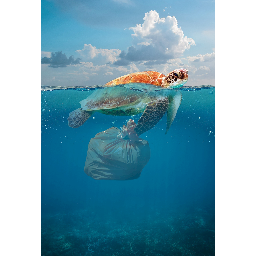
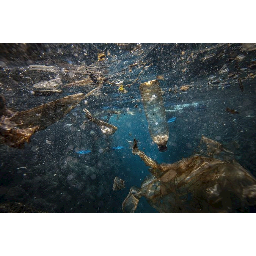
We have successfully enabled our students to learn the causes of water pollution in seas, understand good practices in this field, and spread this knowledge, thereby enhancing their environmental awareness. Our project aims to raise awareness, acquire green skills, protect natural heritage, and leave a more livable world for future generations. While conducting our project, we have organized awareness-raising activities to preserve biodiversity in marine and coastal ecosystems and reduce marine plastic waste and microplastics released into the environment, in line with the Ocean Mission goals.
Our project aims to address the issue of marine pollution in the Black Sea, raise awareness about it, and develop environmentally friendly solutions together with students. The project focuses on researching the factors that harm the marine ecosystem, proposing solutions, and promoting international cooperation on these issues. Our activities aim to increase students' scientific awareness, encourage environmental consciousness, and make tangible contributions to marine conservation efforts.
Project Objective:
The main goal of our project is to raise awareness and encourage active participation among young people in protecting the Black Sea ecosystem and combating marine pollution. We aim to increase students' awareness of environmental issues, help them develop into environmentally conscious individuals, and support them in gaining experience in environmental protection both locally and internationally.
https://childrenoftheblack.wixsite.com/children-of-the-blac
https://www.instagram.com/shore_cleanblacksea?igsh=eHZvNDZ3Z2F3cnZj
https://www.facebook.com/profile.php?id=61563029890391&mibextid=ZbWKwL
Geographic Importance for Our World
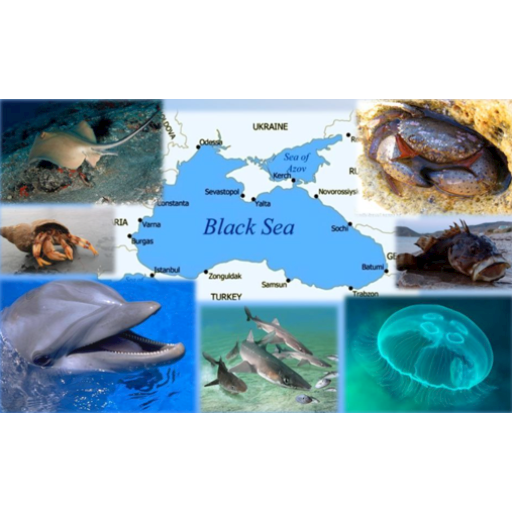
As it is both an inland sea and a strategic junction where many maritime routes intersect. For this reason, it is an important geographic region globally. Bordering six countries (Turkey, Bulgaria, Romania, Russia, Ukraine, and Georgia), the Black Sea is of great economic and commercial importance for these nations. The natural harbors along its shores, fishing areas, agricultural potential, and tourism opportunities are critical elements for the regional economies. Moreover, the unique climate of the Black Sea, influenced by the surrounding landmasses, directly shapes agriculture, ecosystems, and living conditions in the area.
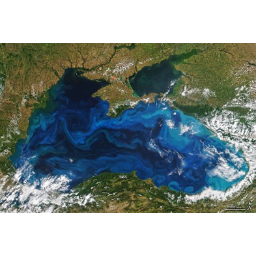
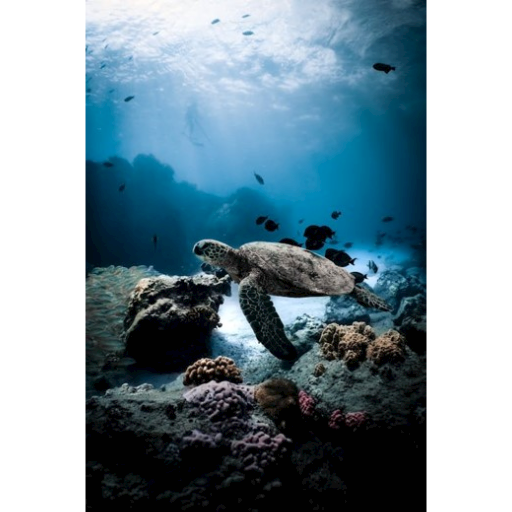
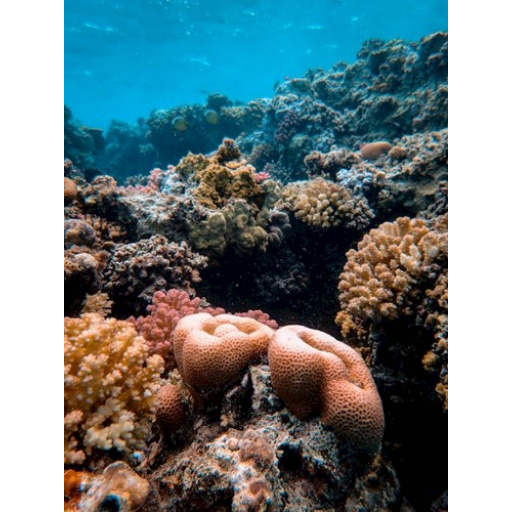
The Black Sea possesses a fascinating biological diversity and hosts ecosystems that have existed for thousands of years beneath its depths. The rocky shores, corals, seaweeds, and underwater habitats are the key elements that contribute to the richness of this sea. However, the Black Sea is also directly impacted by global climate change. Its waters interact with atmospheric gases, influencing regional weather conditions. Algal blooms that occur in low-oxygen waters not only threaten the marine ecosystem but also alter the climate of the surrounding area. The ecosystem of the Black Sea is one of the regions that can feel the effects of global environmental changes the most rapidly.
Therefore, the protection of the Black Sea is not only a regional but a global issue. Ensuring the health of the Black Sea is a critical step in maintaining global ecological balance. The future of this sea can shape the future of all the world's oceans.
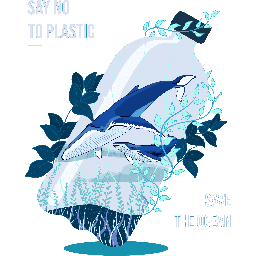
The Black Sea has a complex structure that brings together freshwater and marine ecosystems, making it ecologically very valuable. The region is home to many rare and local species. Aquatic life in the Black Sea is rich in numerous fish species, marine mammals, and other aquatic creatures. Particularly, economically valuable fish species such as anchovy, mullet, and bonito, along with seabirds and other marine organisms, are critical components of the ecosystem.This sea also provides a highly important habitat in terms of species diversity. The rocky shores, corals, and seaweeds along the Black Sea coasts contribute to the richness of underwater habitats and help maintain the healthy functioning of the ecosystem. Additionally, the interaction between freshwater sources and seawater in the region creates unique aquatic ecosystems.
What is the ecological importance of the Black Sea for our world?
What are the harms of pollution in the Black Sea to the ecosystem?
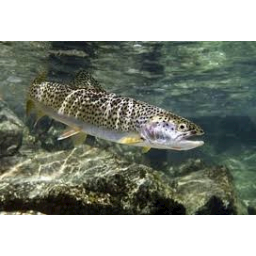
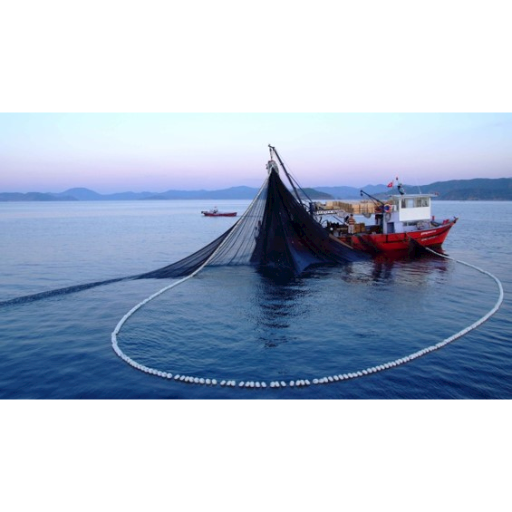
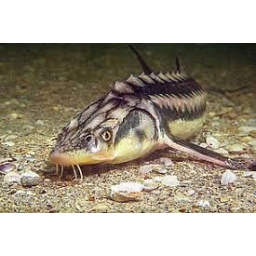
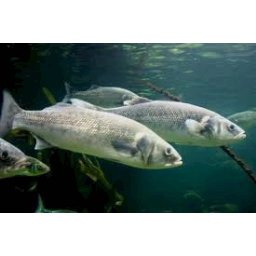
1.Decline in Biodiversity: Pollution in the Black Sea negatively affects fish species' reproduction and habitats. Overfishing and water pollution, in particular, can lead to a decline in the number of fish species. Economically important fish species such as anchovy, mullet, and bonito struggle to survive in polluted waters.
Species unique to the Black Sea and found only in this ecosystem are at risk of extinction due to pollution. The accumulation of toxic substances in polluted waters makes it difficult for these local species to survive.
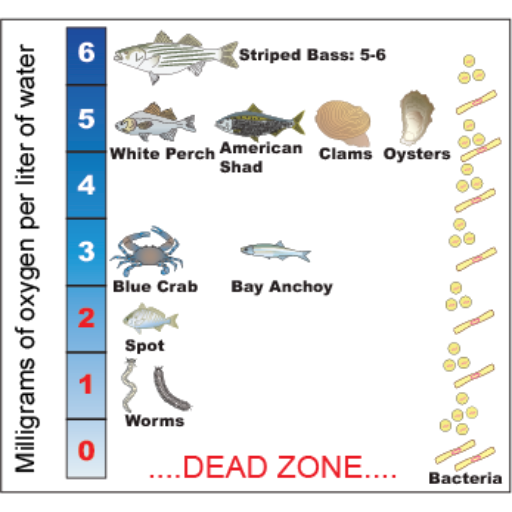
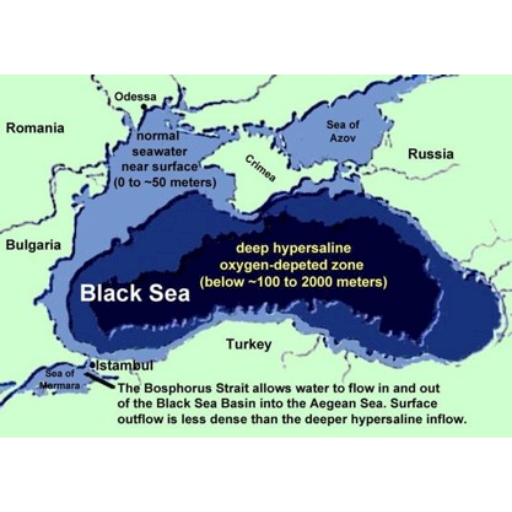
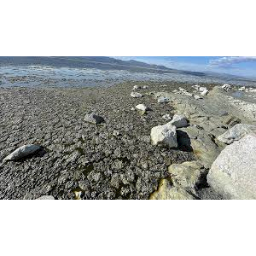
2.Oxygen Depletion and Dead Zone Formation: In the deep waters of the Black Sea, the oxygen levels are very low. When combined with pollution, these natural conditions can lead to further depletion of oxygen. Chemical waste, organic matter, and nutrient runoff further reduce the water's oxygen capacity. As a result, fish and other marine life cannot survive in these oxygen-deprived areas. This situation may cause the expansion of the sea's "dead zones" (anoxic areas).
3.Changes in Salinity and Water Quality:The water in the Black Sea, particularly in the upper layers, has varying levels of salinity. Polluted water alters the chemical composition of the water, threatening marine life. Changes in salinity levels make it more difficult for aquatic plants and fish to adapt. This can lead to an imbalance in the ecosystem.
4.Microplastics and Chemical Pollution:
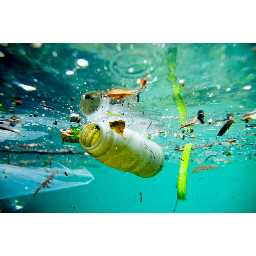
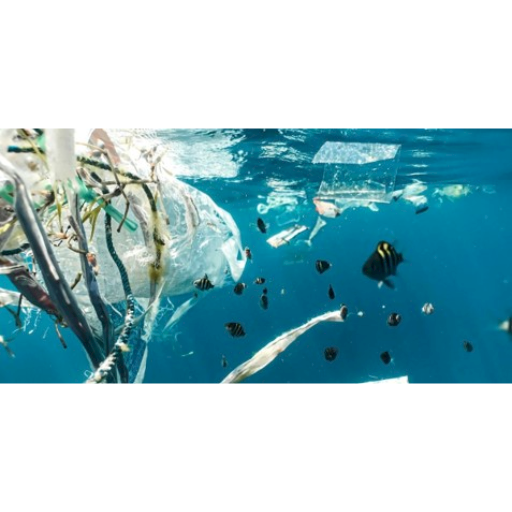
Plastic waste and microplastics dumped into the Black Sea cause serious harm to marine life. Microplastics can be accidentally ingested by creatures like fish and seabirds. This not only damages the health of animals but also disrupts the food chain. The chemicals within plastics alter the natural structure of the marine ecosystem.
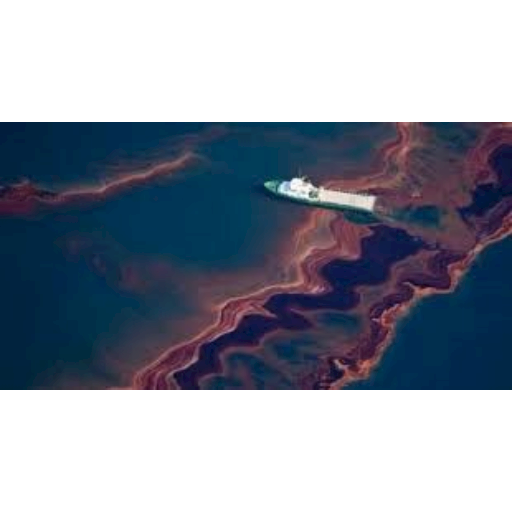
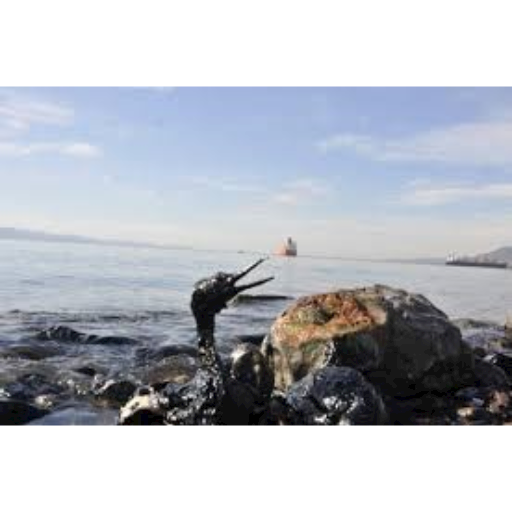
Additionally, pollutants like oil spills and chemical waste mix into the water, deteriorating water quality and causing toxic effects on marine life. These pollutants lead to organic degradation in aquatic ecosystems.
5.Toxic Algal Blooms:
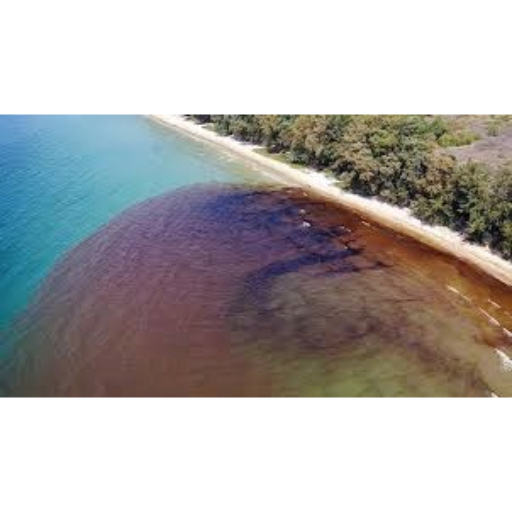
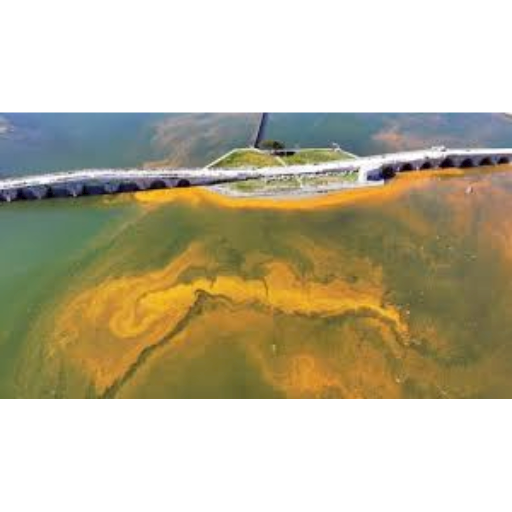
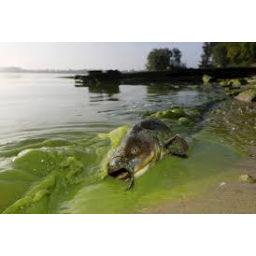
Pollution, especially from waste containing excess nutrients (nitrogen and phosphorus), can lead to artificial algal blooms. These blooms can decrease oxygen levels in the water, causing the death of other marine life. Additionally, some algal species can be toxic, making seafood unsafe for consumption.
6.Increase in Water Temperature:Due to the effects of global warming, water temperatures in the Black Sea are rising. When combined with pollution, this increase in temperature further challenges the living conditions of marine life. Warm-water species in the Black Sea may suppress species adapted to colder waters, leading to ecosystem imbalance.
7.Pollution from Ballast Water:
Ballast systems are special tanks used in maritime transport to maintain the stability of ships, usually filled and emptied with seawater or other liquids. Ballast water can become a medium for carrying foreign marine species due to the ships taking in and discharging water from different seas. When a ship travels from one port to another, the ballast water may carry: Foreign algae species ,Fish , Marine mammals, Bacteria and viruses, among other organisms.
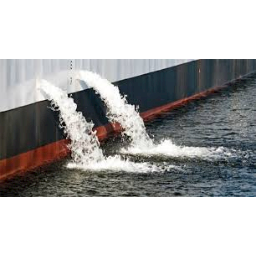
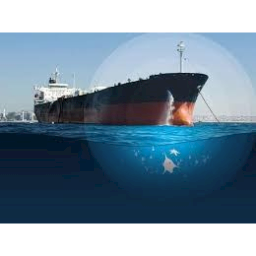
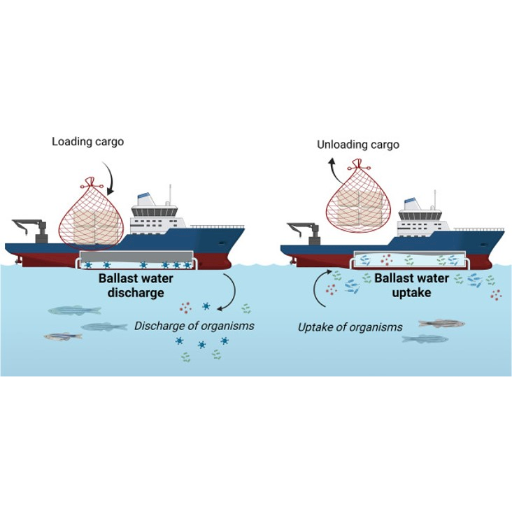
The organisms carried in the ballast water of ships arriving in the Black Sea can interfere with the sea's natural ecosystem and cause local species to compete with foreign species. This situation threatens biodiversity by disrupting the balance of the ecosystem.
Ballast water not only carries living organisms but also transports pollutants. Ballast tanks on ships may sometimes carry various chemical wastes, fuel residues, or contaminated water.
- Full access to our public library
- Save favorite books
- Interact with authors

Prepared by: The Children of the Black Sea, Hand in Hand SHORE Project Team
- < BEGINNING
- END >
-
DOWNLOAD
-
LIKE
-
COMMENT()
-
SHARE
-
SAVE
-
BUY THIS BOOK
(from $7.39+) -
BUY THIS BOOK
(from $7.39+) - DOWNLOAD
- LIKE
- COMMENT ()
- SHARE
- SAVE
- Report
-
BUY
-
LIKE
-
COMMENT()
-
SHARE
- Excessive Violence
- Harassment
- Offensive Pictures
- Spelling & Grammar Errors
- Unfinished
- Other Problem





COMMENTS
Click 'X' to report any negative comments. Thanks!