(Mohandas Gandhi)

Gandhi: “A life for peace”.
Mohandas Gandhi is one of the most famous champions for freedom and justice in the word. He was the leader of the Indipendence movement in India, when it was still a British colony.He also fought for civil rights, for the poorest people in society. He is often called Mahatma, which means "great soul".
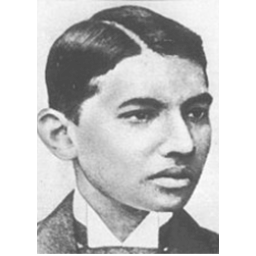
Gandhi was born in 1869 in India. As a young man he went to London to study law, then went to live in South Africa. He was shocked by the treatment of Indian immigrants in South Africa.


Gandhi returned in India,led the fight for Indian independence from the British Empire. He organized some non-violent campaigns against the government.Gandhi was put in prison several times for organizing these protest. He often refused to eat while he was inprison. Indian people started to love him. He was an hero, because of his fight against the British occupationof India. So, the British government had to let him free.

The most successful protest was called theSalt March (Marcia del Sale).
Salt March (Marcia del Sale).
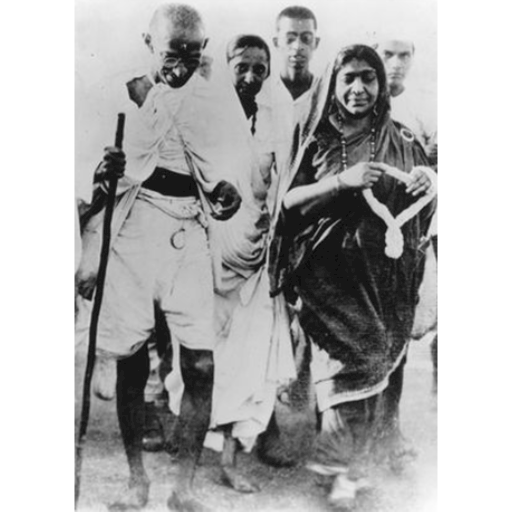
Mahatma Gandhi on the Salt March, in 1930 was one of the most important developments of the Indian Independence Movement, ended with the arrest of more than 60,000 Indians.
Through a series of laws, the Indian populace was prohibited from producing or selling salt independently, and instead Indians were required to buy expensive, heavily taxed salt that often was imported.This affected the great majority of Indians, who were poor and could not afford to buy it.
In 1930 when Britain put a tax (tassa) on salt,
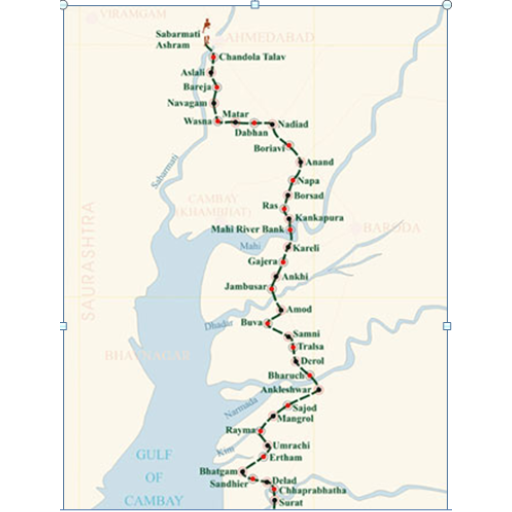
Gandhi decided to walk 241 [two hundred and forty-one] miles to the sea to take the salt himself. It was a
symbolical action.They symbolically made their own salt from the sea water in a peaceful protest against British taxes on salt. Thousands of Indians
joined him (si unirono a lui) in his march.
Gandhi was arrested but after his discharge from prison, Mahatma Gandhi began a series of hunger strikes to convince the British government to grant more rights to the Indian people.

The Salt march, also known as the Salt Satyagraha, Dandi March, and the Dandi Satyagraha, was an act of nonviolent civil disobedience in colonial India, led by Mahatma Gandhi. The 24-day march lasted from 12 March 1930 to 6 April 1930 as a direct action campaign of tax resistance and nonviolent protest against the British salt monopoly.
On the morning of April 6, Gandhi and his followers picked up handfuls of salt along the shore, thus technically “producing” salt and breaking the law.
- Full access to our public library
- Save favorite books
- Interact with authors

- < BEGINNING
- END >
-
DOWNLOAD
-
LIKE
-
COMMENT()
-
SHARE
-
SAVE
-
BUY THIS BOOK
(from $3.39+) -
BUY THIS BOOK
(from $3.39+) - DOWNLOAD
- LIKE
- COMMENT ()
- SHARE
- SAVE
- Report
-
BUY
-
LIKE
-
COMMENT()
-
SHARE
- Excessive Violence
- Harassment
- Offensive Pictures
- Spelling & Grammar Errors
- Unfinished
- Other Problem

COMMENTS
Click 'X' to report any negative comments. Thanks!