

As future educators, I've also realized it's important to know how different assessments can influence teaching and support student learning. Assessments don't just mean giving tests; they serve a valuable function of collecting meaningful data that can benefit student learning and success. In the classroom setting, we use many resources to check on student progress, evaluate student learning, and alter our instruction.

This flipbook reviews seven important types of assessments: Formative, Summative, Performance-Based, Portfolio, Standardized, and High-Stakes.
You will find a definition, two benefits, and two challenges for each type of assessment. Each of these assessments has a different purpose and, when used intentionally, can provide important information.
As you read, consider how you might incorporate each type of assessment in your classroom one day, not just for marking assignments, but to support every learner.
Formative Assessment
The ongoing collection of information during the teaching of a lesson in order to check for
students’ understanding

Pros:
Aids teachers in finding learning gaps earlier
Aids students in meta-cognition of their own learning
Cons:
May be time consuming if done often
May not have any value to students because it is not graded
Summative Assessment
Takes place at the end of a lesson or unit in order to
determine if students have mastered the materials or skills that were taught.

Pros:
Lets us know about what the students have already mastered
Can be used to determine how successful the curriculum was
Cons:
Often may add to student stress or anxiety
Doesn't always show the whole journey the students went through in their learning, and may only be a snapshot of what they just learned
Performance-based assessments require students to apply their knowledge through tasks like projects, presentations, or experiments.

Pros:
Encourages critical thinking and problem solving
Demonstrates the extent in which students can apply the learning they have done to the real world
Cons:
Takes longer to plan and grade
Has subjective value if it isn't graded with a clear rubric.
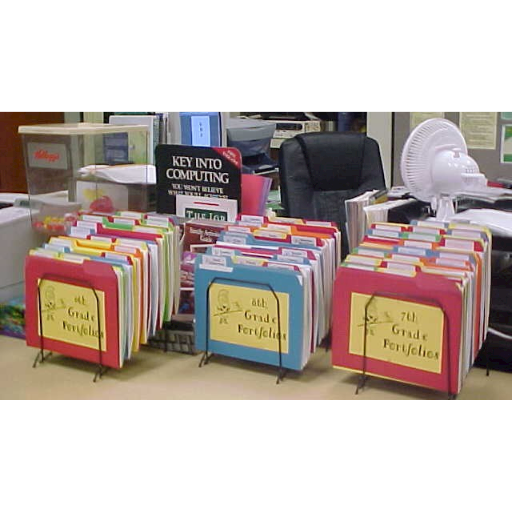
A portfolio is a collection of a student’s work over time that shows growth, strengths, and areas for improvement.

- Full access to our public library
- Save favorite books
- Interact with authors

- < BEGINNING
- END >
-
DOWNLOAD
-
LIKE
-
COMMENT()
-
SHARE
-
SAVE
-
BUY THIS BOOK
(from $2.99+) -
BUY THIS BOOK
(from $2.99+) - DOWNLOAD
- LIKE
- COMMENT ()
- SHARE
- SAVE
- Report
-
BUY
-
LIKE
-
COMMENT()
-
SHARE
- Excessive Violence
- Harassment
- Offensive Pictures
- Spelling & Grammar Errors
- Unfinished
- Other Problem

COMMENTS
Click 'X' to report any negative comments. Thanks!