enjoy the following content

Weather refers to the atmospheric conditions at a specific time and place — such as whether it’s sunny, rainy, or windy at the moment (South African Weather Service, 2023).
Climate represents the typical weather patterns in a region over an extended period, generally 30 years or longer (Tyson & Preston-Whyte, 2000).
Vegetation encompasses the various plant types found in a region, which depend on climate and soil conditions (Department of Environmental Affairs, 2018).
These three components are interrelated— climate affects weather, weather impacts plant growth, and vegetation can even influence climate by releasing moisture and oxygen into the atmosphere.
These three components are interrelated— climate affects weather, weather impacts plant growth, and vegetation can even influence climate by releasing moisture and oxygen into the atmosphere
Marobola(2011).

1. Fynbos Biome (Western Cape)
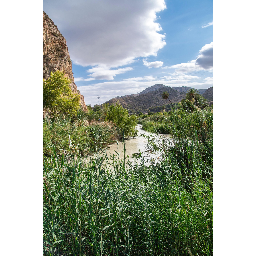
The Fynbos biome is located in the Western Cape and is characterized by a Mediterranean climate, featuring wet winters and hot, dry summers (Mucina & Rutherford, 2006).
This climate allows plants like proteas, ericas, and restios to survive by developing small, tough leaves adapted to the dry summers.
If rainfall patterns shift due to changes in weather, many of these plants may struggle, demonstrating a direct influence of climate and weather on vegetation.
Mucina & Rutherford (2006).

Savanna Biome (Limpopo and Mpumalanga)
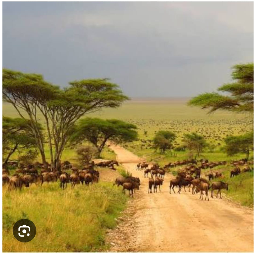
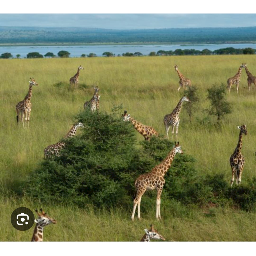
The Savanna biome has hot, wet summers and cool, dry winters (South African National Biodiversity Institute, 2020).
This climate supports tall grasses and scattered trees such as acacias.
During droughts, grasses wither, and trees may shed leaves to conserve moisture. An unusual increase in rainfall could result in denser vegetation, which would impact animals that require open grasslands.
This illustrates how weather changes can alter vegetation structure.
Jonhson(22016)


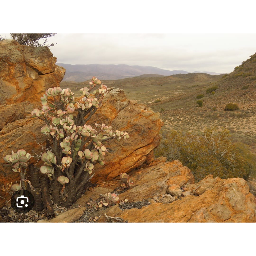
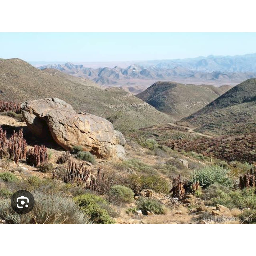
Karoo Biome (Northern Cape)
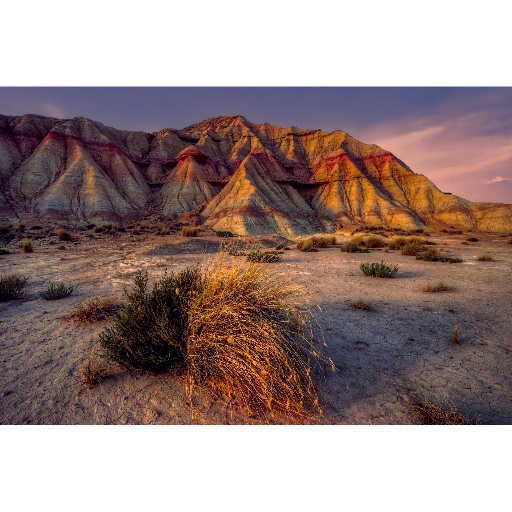
The Karoo is known for its semi-arid climate with low rainfall and high temperatures (Midgley et al., 2005).
The vegetation mainly consists of shrubs and succulents that retain water in their leaves.
If weather patterns change and rainfall decreases significantly, these plants may suffer and potentially die off, affecting the entire ecosystem.
Thus, the vegetation in the Karoo is well-adapted to endure dry climates.
(Mucina & Rutherford, 2006).


Grassland Biome (Free State and parts of Gauteng)
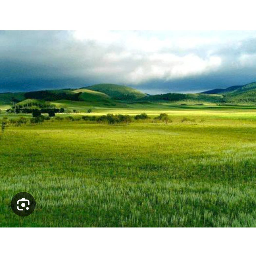
The Grassland biome experiences cool, dry winters and warm, wet summers (South African National Biodiversity Institute, 2020).
The rain supports the growth of grasses and small shrubs, with few trees present.
When rainfall declines due to changes in weather, grasses may fail to thrive, impacting animals like zebras and wildebeests.
This example underscores the link between weather, vegetation, and climate stability.
Mucina & Rutherford (2006).


- Full access to our public library
- Save favorite books
- Interact with authors

- < BEGINNING
- END >
-
DOWNLOAD
-
LIKE
-
COMMENT()
-
SHARE
-
SAVE
-
BUY THIS BOOK
(from $3.39+) -
BUY THIS BOOK
(from $3.39+) - DOWNLOAD
- LIKE
- COMMENT ()
- SHARE
- SAVE
- Report
-
BUY
-
LIKE
-
COMMENT()
-
SHARE
- Excessive Violence
- Harassment
- Offensive Pictures
- Spelling & Grammar Errors
- Unfinished
- Other Problem

COMMENTS
Click 'X' to report any negative comments. Thanks!