WHAT IS CLIMATE? (20 seconds)
Narrator:
“Climate is the average weather of a place over many years—usually 30 years or more. Tyson (2010) says that climate helps us understand what type of weather we normally expect, such as hot summers or cold winters. For example, the Western Cape has a climate with rain in winter and dry summers.”
WHAT IS WEATHER? (20 seconds)
Narrator:
“According to Engelbrecht (2015), weather is the day-to-day condition of the atmosphere. It includes things like temperature, rain, wind and clouds. Weather can change within minutes or hours. For example, it can be sunny in the morning and stormy in the afternoon.
WHAT IS VEGETATION? (20 seconds)
Narrator:
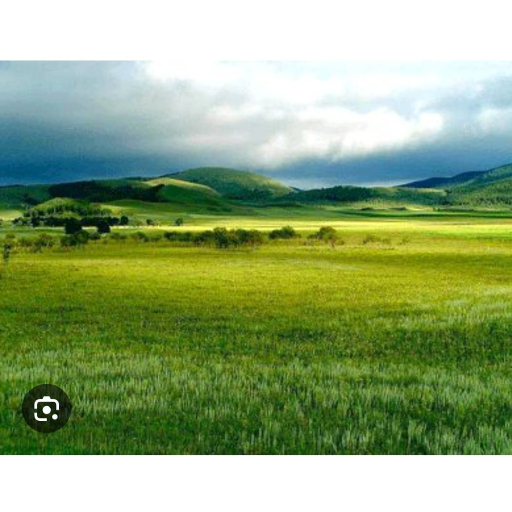
“Mucina and Rutherford (2006) describe vegetation as the natural plant life in an area. Plants need the right amount of rain and the right temperatures to grow. That is why different parts of South Africa have different types of vegetation.”
HOW THEY ARE CONNECTED (2 minutes)
Narrator:
“Climate, weather, and vegetation are interlinked. The climate of a place controls which plants can grow there. Daily weather can help or harm plants. Vegetation can even influence climate by releasing moisture into the air, as Tyson (2010) explains. Now let’s look at five South African examples.”
1. Fynbos Biome – Western Cape (30 seconds)
“The Fynbos biome grows in a Mediterranean climate with cool, rainy winters and hot, dry summers. Because the summers are so dry, plants like proteas and ericas have small, hard leaves to save water. As Mucina and Rutherford (2006) explain, fires are also common in fynbos, and some plants even need fire to release their seeds. This shows how the climate creates the vegetation, and the vegetation affects the natural fire patterns.”


2. Savanna Biome – Limpopo and Mpumalanga (25 seconds)
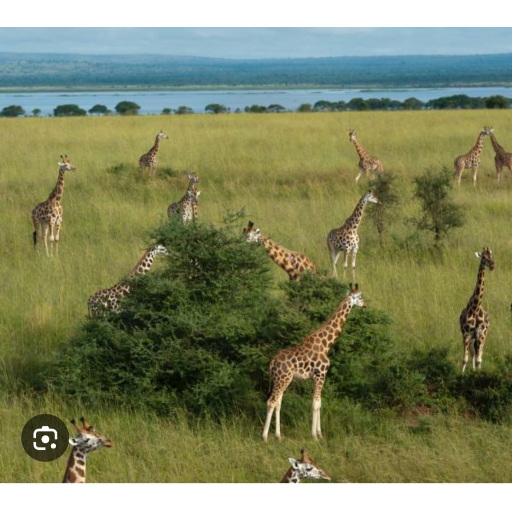
“The Savanna biome has hot temperatures and summer rainfall. Low and Rebelo (1996) say this climate supports tall grasses and scattered trees like marula and acacia. Summer thunderstorms bring sudden rainfall that helps grasses grow quickly. Here, climate and weather clearly shape the vegetation.”

3. Karoo – Northern Cape
Narrator:
“The Karoo has a semi-desert climate with very little rain. Days are very hot, but nights are cold. Mucina and Rutherford (2006) explain that plants here have thick leaves that store water, such as succulents. The dry climate allows only drought-resistant plants to survive. The vegetation also helps protect the soil from erosion in this harsh environment.”
- Full access to our public library
- Save favorite books
- Interact with authors

- < BEGINNING
- END >
-
DOWNLOAD
-
LIKE
-
COMMENT()
-
SHARE
-
SAVE
-
BUY THIS BOOK
(from $3.19+) -
BUY THIS BOOK
(from $3.19+) - DOWNLOAD
- LIKE
- COMMENT ()
- SHARE
- SAVE
- Report
-
BUY
-
LIKE
-
COMMENT()
-
SHARE
- Excessive Violence
- Harassment
- Offensive Pictures
- Spelling & Grammar Errors
- Unfinished
- Other Problem

COMMENTS
Click 'X' to report any negative comments. Thanks!