



INTRODUCTION

At the beginning of the pandemic, things turned a different way. I was a Grade 12 student and that was the most crucial year of my school life. Of course, we could not see each other as suddenly our school was closed. I was in a state of disorientation and concerned with my way of studying.

The First Google Meet
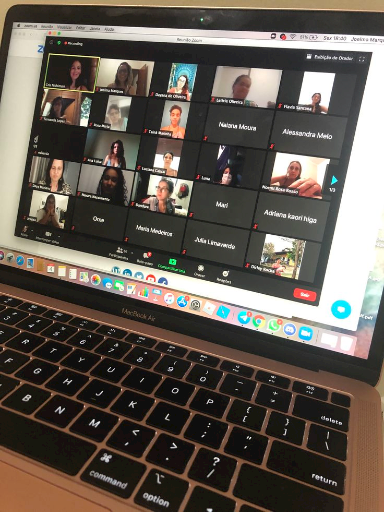
Our teacher, then, informed us regarding a new thing, Google Meet. I had never used it before. The very first time I joined it was unbelievable to see my classmates and teachers on my screen. It was weird yet exciting as well.

Learning Online
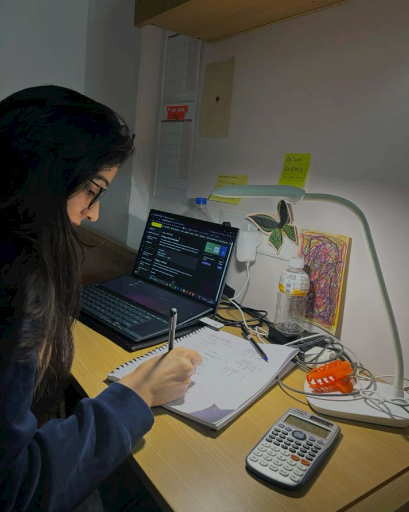
At first, it was hard. The internet was at times not available and I could not get the passion of being with friends. However, progressively, I got to know how to be more focused and time-management efficient. My teachers attempted to make online classes interactive as well.

Technology as Connection
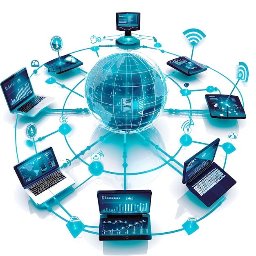
I realized that technology helped us stay connected when we were apart. As our course reading “We are Technology?” says, we are shaped by the tools we use every day (Sheridan College, 2025). Google Meet became more than just a screen — it was our classroom, our friendship space, and our connection.

What I Learned
Through this, I got to learn the power of technology in education. Digital learning tools could contribute to the engagement of the students, as Bates (2019), in our module, explains, provided that they are used with care and ingenuity. I am no longer afraid of working with new platforms or studying online, it seems like a natural and empowering thing to do.

Reflection
Learning occurs in networks and shared experiences as Siemens (2005) shared in the reading titled Online Learning Theories. That was precisely what I had experienced. Google Meet transformed my room into a classroom and made me realize that learning does not happen in the location but instead in connection.

Conclusion
In hindsight, I can see the extent to which I developed. I was self-sufficient, self-confident, and grateful to technology. Although a challenging period it taught me that there is no such thing as an end of learning, it just looks in other forms.
References
Sheridan College. (2025). We Are Technology. SLATE Module. https://slate.sheridancollege.ca/d2l/le/content/1419352/viewContent/18202657/View
Bates, T. (2025). Teaching in a Digital Age. https://www.tonybates.ca/teaching-in-a-digital-age/
Siemens, G. (2005). Connectivism: A Learning Theory for the Digital Age.
https://www.edtechpolicy.org/AAASGW/Session2/siemens_article.pdf
Millard, D. (2023). Week 8 Technohumans. https://www.youtube.com/watch?v=C0OltDvPoeY&t=9s
- Full access to our public library
- Save favorite books
- Interact with authors

- < BEGINNING
- END >
-
DOWNLOAD
-
LIKE
-
COMMENT()
-
SHARE
-
SAVE
-
BUY THIS BOOK
(from $2.99+) -
BUY THIS BOOK
(from $2.99+) - DOWNLOAD
- LIKE
- COMMENT ()
- SHARE
- SAVE
- Report
-
BUY
-
LIKE
-
COMMENT()
-
SHARE
- Excessive Violence
- Harassment
- Offensive Pictures
- Spelling & Grammar Errors
- Unfinished
- Other Problem

COMMENTS
Click 'X' to report any negative comments. Thanks!