


My devoting Teacher, Brandon Galbraith

Table of Contents
Chapter 1: Government
Democracy
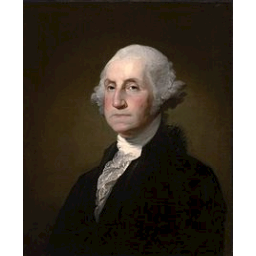
A government is a group of people in power to rule over a nation or country. One type of a government is a democratic government. A democratic government is a government system focusing on elections and the majority of votes among citizens. Governments have been developed near the beginning of civilization, so we aren't sure of an exact date. People: Abraham Lincoln, Julius Caesar, George Washington, etc.
Invention: 3 branches of government (Executive, Judicial, legislative.) Allowed for a separation of powers.

Government
Chapter 2: Exploration
Christopher Columbus.
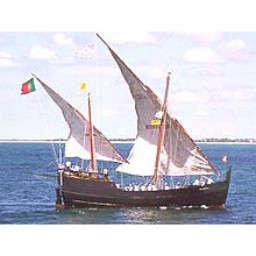
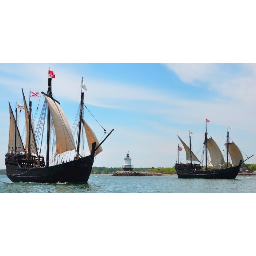
The age of Exploration was a time period between the 15th and 17th centuries. Explorers built ships to sail the seas for land, power, fame, goods, and more. One of these explorers was Christopher Columbus. Columbus was a spanish sailor who founded the new-world, modernly known as the Americas.


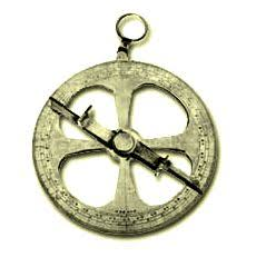
Inventions: Astrolabe- Device used to tell time based on the sun, moon, and sky locations.
Chapter 3: Colonization
Silk Road
Colonization is the act of a nation dominating its surrounding land. Colonization started in the 15th century during the age of discovery. One example of colonization was the silk road. The silk road was a famous highway from China and other parts of Asia. Christopher Columbus, and many conquistadors are known for their roles in colonization.
Technologies: Trading posts - Allowed countries to peacefully trade goods and spices at ease.


Chapter 4: Scientific Revolution
Galileo
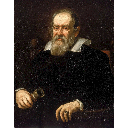
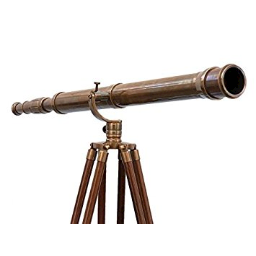
The scientific Revolution was a period of time where many philosophers started having scientific views and questioned the catholic church's teachings. The Scientific Revolution started in the 1500s and escalated for many years. Galileo was one of these philosophers. He invented the telescope and studied stars. He was put under house-arrest by the catholic church for his teachings.
Technology: The telescope - Allowed philosophers to see study anatomy.


Chapter 5: Enlightenment
John Locke
The Enlightenment was a time shortly after the Scientific Revolution developing many different political beliefs. Many philosophers saw fault in the government before this time and wanted the government to change. The Enlightenment lasted throughout the 18th century and still influences how our government is today. One of these philosophers was John Locke. He believed in the 3 natural rights the government needs to protect.
Mercury Thermometer: Used mercury to visually show temperature.


Chapter 6:
American Revolution
Boston Tea Party

The American Revolution was a colonial revolt in America between 1775-1783. America attacked the British in order to gain freedom and won its independence. One event during this time was the Boston tea party. The Boston tea party was a political protest over the British taxes. They protested by dumping all of the tea crates from the ships all over the boston harbor.
Technologies: Musket - Newly invented weapon and was the primary weapon of soldiers.

Chapter 7: French Revolution/Napoleon
Reign of Terror
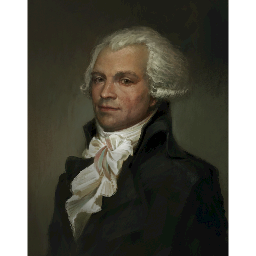
The French Revolution was a massive revolt in France because of the starving peasants and how the wealthy spent their money. Peasants armed weapons and stormed the bastille. The bastille was a big and symbolic prison of France. The reign of terror was a time executions of anyone who was against the revolution. The Reign of Terror lasted from 1793-1794 until robespierre's execution.
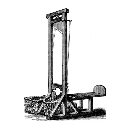
The Guillotine - execution device that became France's primary execution system


- Full access to our public library
- Save favorite books
- Interact with authors

- < BEGINNING
- END >
-
DOWNLOAD
-
LIKE
-
COMMENT()
-
SHARE
-
SAVE
-
BUY THIS BOOK
(from $5.19+) -
BUY THIS BOOK
(from $5.19+) - DOWNLOAD
- LIKE
- COMMENT ()
- SHARE
- SAVE
- Report
-
BUY
-
LIKE
-
COMMENT()
-
SHARE
- Excessive Violence
- Harassment
- Offensive Pictures
- Spelling & Grammar Errors
- Unfinished
- Other Problem

COMMENTS
Click 'X' to report any negative comments. Thanks!