This book is dedicated to Mrs. Preddy to learn about Social Studies

Table of Contents
1.Basic Types of Government 4-11
2.Exploration 12-19
3.Colonization 20-27
4.Scientific Revolution 28-35
5.Enlightenment 36-43
6.American Revolution 44-51
7.French Revolution and Napoleon 52-59
8.Latin American Revolutions 60-67
9.Industrial Revolution 68-75
10.Imperialism 76-83
11.World War l 84-91
12.World War ll 92-99
13.Cold War 100-107
14.Modern world 108-115
1.Basic Types of Government
There has been a wide variety of different types of governments throughout history. The most basic and common forms are republics, democracies, and monarchies. These governments have shaped what the world is like today. without a government, society would be in complete chaos.

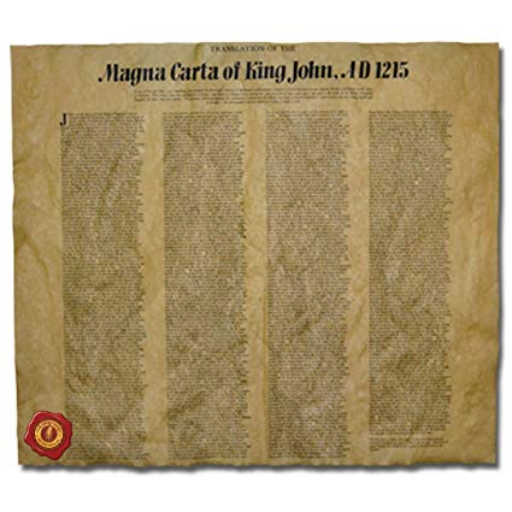
The Magna Carta
The Magna Carta was document signed by King John on June 15, 1215. The people of England were unhappy with the king's abuse of his power. They decided to fight back by forcing King John into signing the Magna Carta. The Magna Carta gave less power to the king. This document inspired many other nations to give less power to the king, and more power to the people.
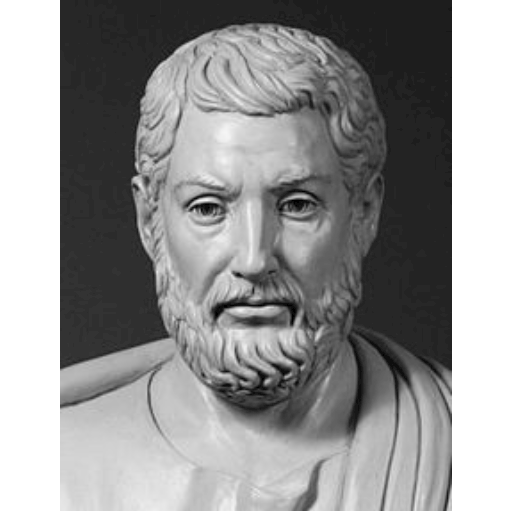
Cleisthenes
Cleisthenes, an athenian politician, helped to create the first democracy ever formed in Athens, Greece in 507 BC. Cleisthenes was born in 570 BC. He was the first person to come up with the concept of the democratic government. Without Cleisthenes, our government would not be what it is today.
Seperation of Powers
Seperation of powers is a doctrine of constitutional law where the three branches of government (executive, legislative, and judicial) are kept seperate and have an equal amount of power. This is also known as the system of checks and balance. This system has been established since the 19th century. Many different nations have also used a similar version of this idea.

2.Exploration
The age of exploration began in the early 15th century and continued into the 17th century. The age of exploration was period in time where most countries and territories were competing to discover new land. The main reason for this age of exploration was god, gold, and glory.
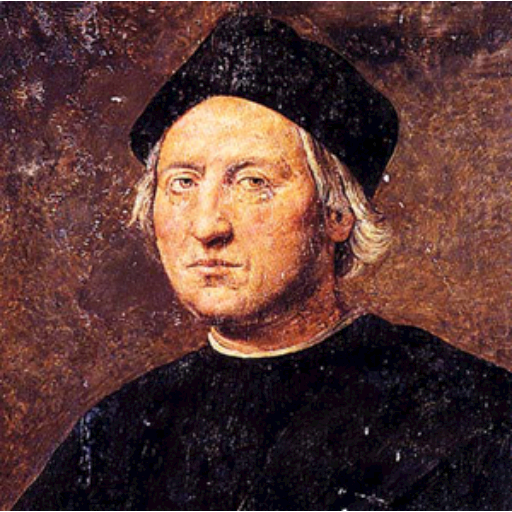
The Discovery of America
In the year 1942, a french explorer by the name of Christopher Columbus discovered new land. Christopher Columbus was an Italian explorer who accidentally stumbled upon the Americas while attempting to find a direct water route west from Europe to Asia, but he never did. However, he did discover the new world.
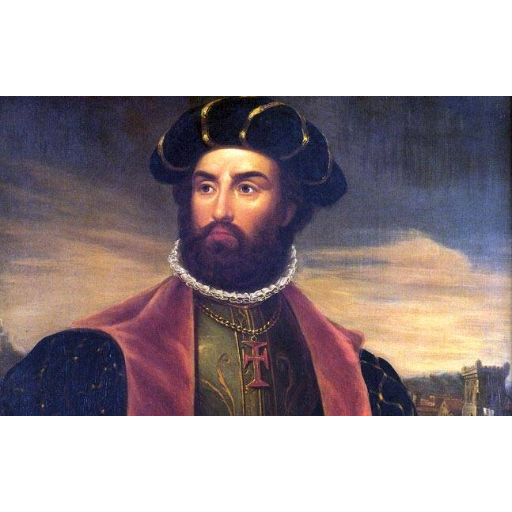
Vasco Da Gama
Vasco Da Gama was a Portuguese explorer through the 15th and 16th century. His voyages to India opened up a sea route from Western Europe to the East. Vasco Da Gama died on December 24, 1524 of Malaria.
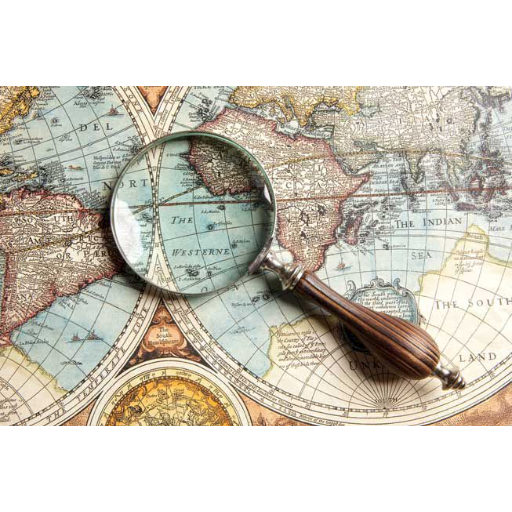
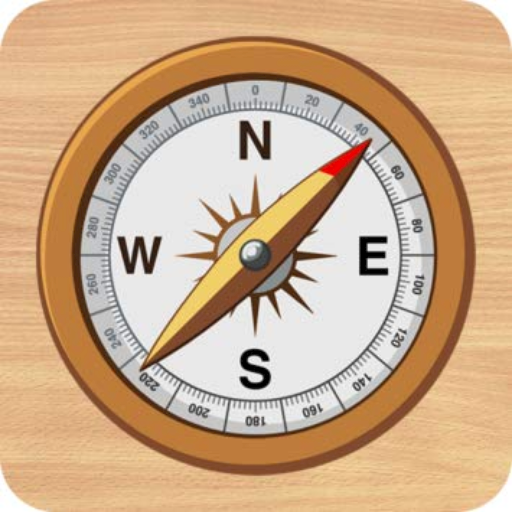
The Compass
The magnetic compass was first invented in 206 BC by the people of the Chinese Han Dynasty. A compass is used for direction. The hand on the inside of a compass always points north no matter what. This is due magnetic pull. Before the compass, explorers attempted to follow the north star. The compass was much more accurate, efficient, and easier.
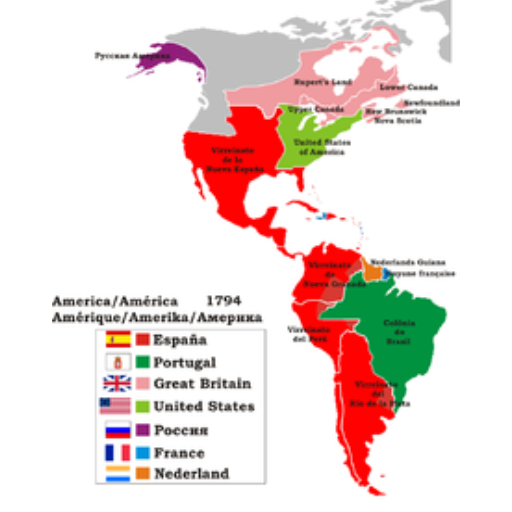
3.Colonization of the Americas
The start of the European colonization of the Americas was in 1942 when the Americas were first discovered by Christopher Columbus. The news spread like wildfire across Europe that a "new world" had been discovered. European countries big and small rushed to send their people to claim and colonize the new land.
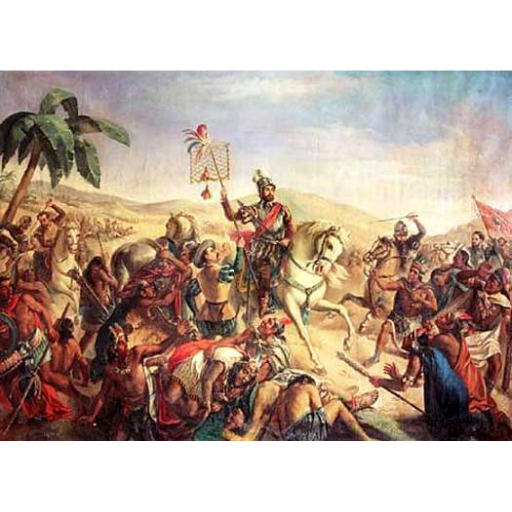
Taking Over the Aztecs
In 1511, conquistador Hernan Cortes of Spain conquered the advanced Aztec empire and built Mexico City in its place. This secured Spain's position in the new world. Cortes was equipped with superior firepower, 600 of his own men, horses, and thousands of Native American allies. This conquering marked the fall of the great Aztec empire.
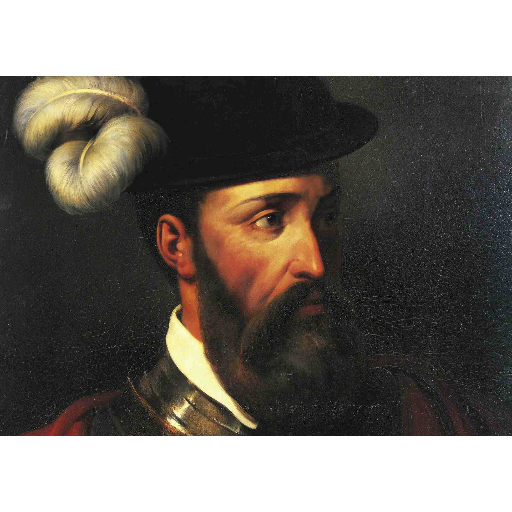
Francisco Pizzaro
In 1531, Francisco Pizarro entered the Incan empire from Panama and proceeded with his conquest. Pizarro and his men managed to capture the Incan leader Atahualpa. He was later killed. Once the news reached the Incans that their leader had passed, they were demoralized and retreated. Pizarro had defeated the Incas.
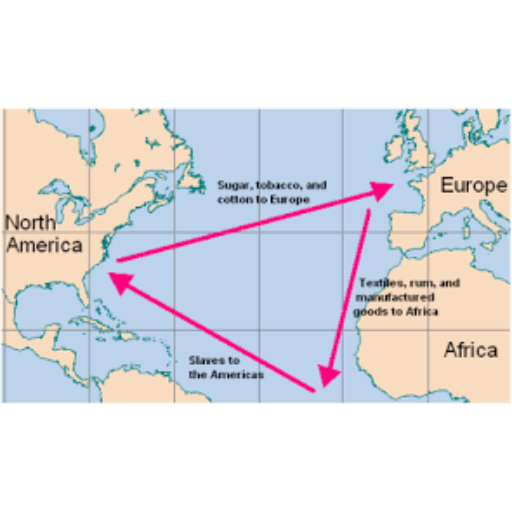
The Triangular Trade
This is the name of the trading route navigated by European merchants who traded goods to Africans for slaves. The slaves were then brought to the Americas, sold, and goods were brought back from the Americas to Europe. This was called the triangular trade due to the triangular points the main three points of the trade were found.
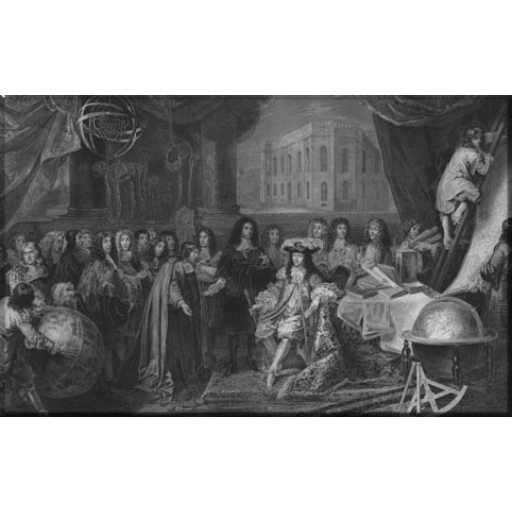
4.Scientific Revolution
The scientific revolution was a time of improvements, change, and new discoveries. The world and the way of thinking began to change. There were advancements in medicine, machinery, chemistry, mathematics, and astronomy during this time period. It was hard for people to go completely against what they had been taught their whole lives, but eventually they realized it had been the truth.
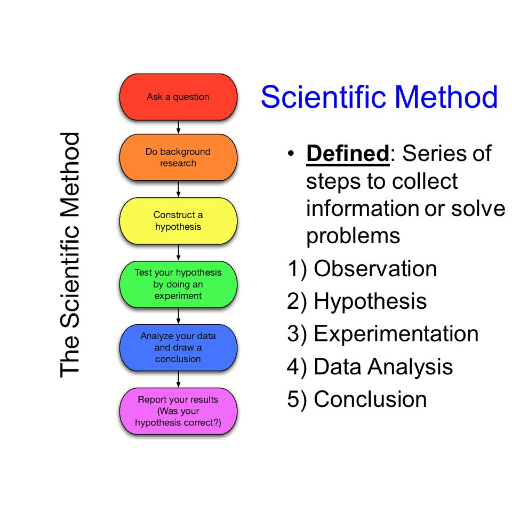
Francis Bacon Invents the Scentific Method
Francis Bacon was a successful lawyer and philosopher. In 1621, Bacon proposed a new approach to scientific inquiry. This was called the scientific method. This advocated reasoning as the foundation of scientific thinking. The scientific method has been used throughout history and still to this day is being used to reach new scientific conclusions and learn new things.
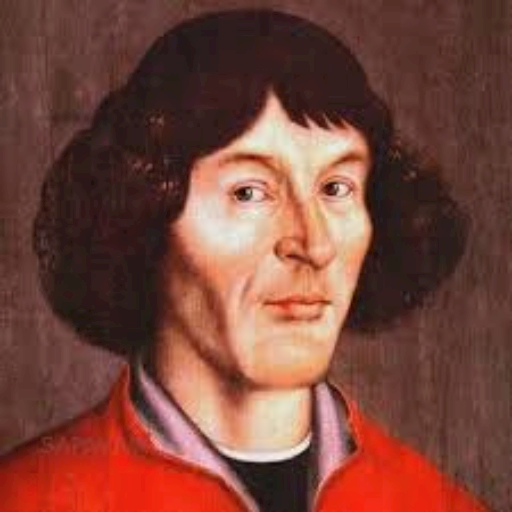
Nicolaus Copernicus
Nicolaus Copernicus was a Polish astronomer who proposed the idea that the sun is the fixed point of the solar system in which planets revolve around. This idea was called Heliocentricism. Heliocentricism challenged the idea of Geocentricism, which was taught by the church. Very few people were willing to go against the church's teachings during this period of time. Eventually it became what is taught to this day.
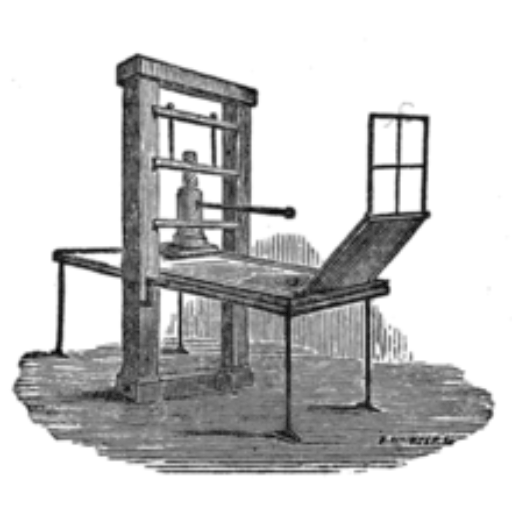
The Printing Press
Johannes Gutenberg invented the printing press in the year 1455. This invention changed the world and made books, especially the bible, cheaper and more accessible. Before the invention of the printing press books had to be written by hand. Now, the pages were printed by large machines. This rapidly sped up the process. It led to more bibles and other books being produced.
5.Enlightenment
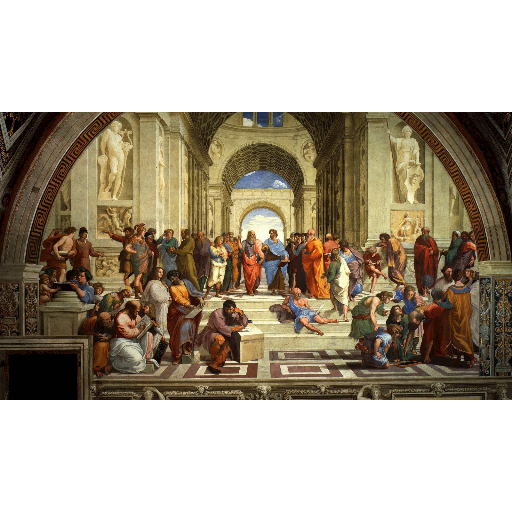
The enlightenment was a movement from the late 17th century to the late 18th century that emphasized reason, skepticism, science, and individualism. The Glorious Revolution occurred during the enlightenment. The Glorious Revolution was the time of England changing from an unlimited government to a limited government. This change affected and influenced the rest of the world.
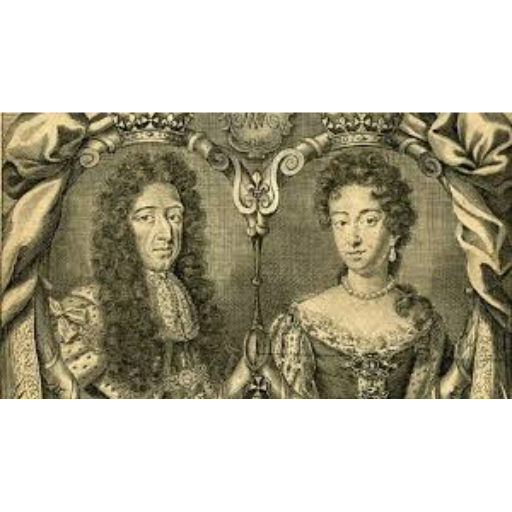
The Glorious Revolution
The Glorious Revolution of 1688-1699 was the overthrow of King James ll of England. He was replaced by his Protestant daughter Mary and her Dutch husband, William of Orange. This was one of the most important moments in European history. England was no longer an unlimited government and was no a limited government giving parliament more power over the crown. These ideas spread across Europe and the world.
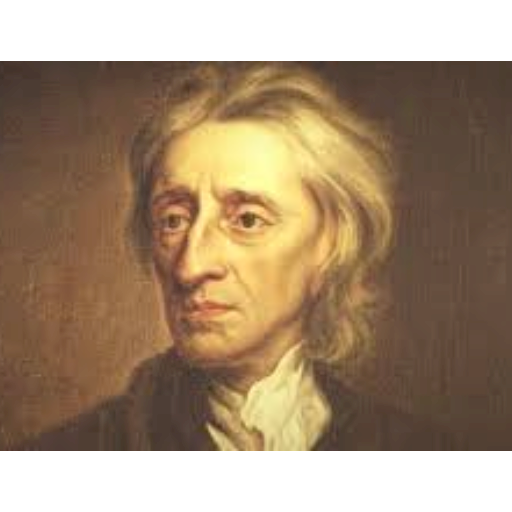
John Locke
John Locke was an 18th century philosopher who was very important to the Enlightenment. John Locke heavily believed in the social contract theory. He also believed that every person was born with natural rights. These rights were the right to life, liberty, and property.
The Social Contract Theory
The Social Contract Theory is almost old as philosophy itself. The Social Contract Theory is the view that a "Person's moral and/or political obligations are dependent upon a contract or agreement among them to form the society in which they live." The Social Contract Theory was a controversial topic during the enlightenment because many people were opposed to it as many were for it.

6.American Revolution
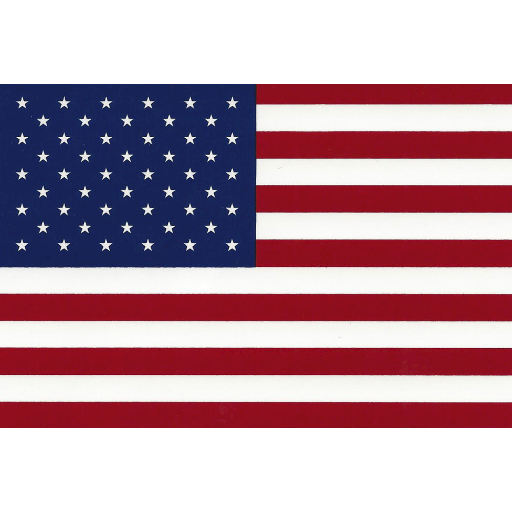
The American Revolution was a time in the late 18th century when British colonists in the American colonies rebelled against the rule of Great Britain. The American colonies eventually won their freedom after many bloody battles against Great Britain. The American Colonies turned into the United States, their own independent country, on July 4, 1776.
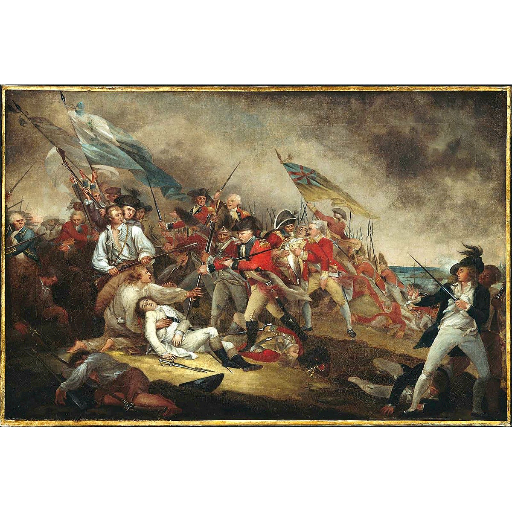
The Battle of Bunker Hill
The Battle of Bunker Hill occurred very early in the American Revolution. The British soldiers defeated the Americans at the Battle of Bunker Hill in Massachusetts. However, the inexperienced colonial army inflicted a significant number of casualties against the British. This served as a confidence boost for the colonies for the rest of the war.
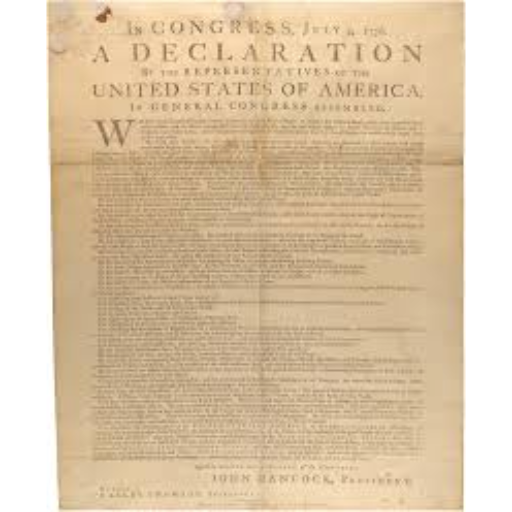
The Declaration of Independence
On July 4, 1776, the American colonies issued the Declaration of Independence. This was adopted by Continental Congress, and severed the ties between the 13 colonies and Great Britain. The 13 colonies had now become their own country known as the United States of America.
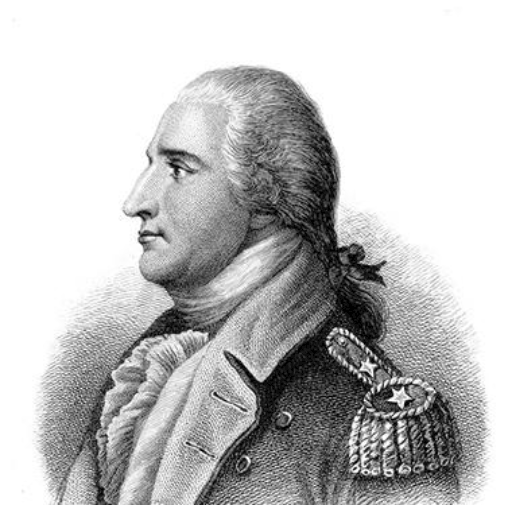
Benedict Arnold
Benedict Arnold was a patriot officer who served for the cause of the American Independence during the Revolutionary War. In 1779, Arnold shifted his allegiance from the United States to the British. He became infamous in the newly formed country and known as a traitor. After Benedict Arnold, Americans became suspicious of the fellow citizens of the United States.
7.French Revolution and Napoleon
The French Revolution began on July 14, 1789 when revolutionaries stormed the Bastille. The French Revolution was a 10 year period from 1789-1799 when the people of France overthrew the monarchy and took control of the government. The French Revolution was partially inspired by Enlightenment philosophy ideas.
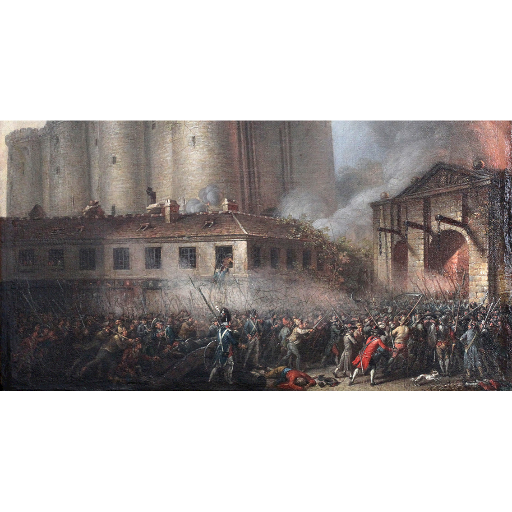
The Storming of the Bastille
On July 14, 1789, an angry mob stormed a state prison on the east side of Paris known as the Bastille. The prison had become a symbol of the monarchy rule. This event started the revolt against the dictatorial rule. The mob grew angry when the governor refused to comply with their demand for ammunition. The governor was later seized and killed.
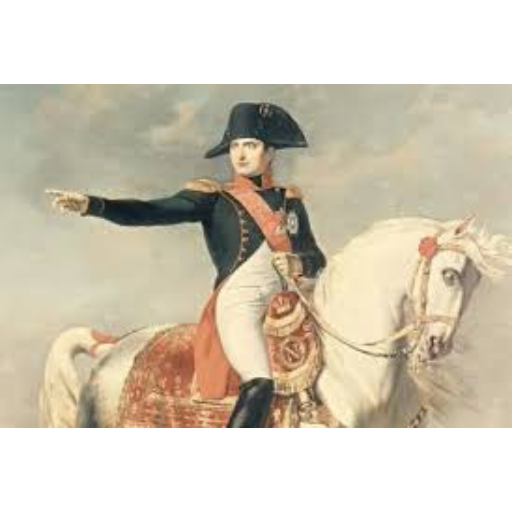
Napoleon
Napoleon was the ruler of France in the early 19th century. He is considered one of the world's greatest military leaders ever. Napoleon gained a large amount of land for France and helped them gain more power. He also established the Napoleonic Code during his rule.
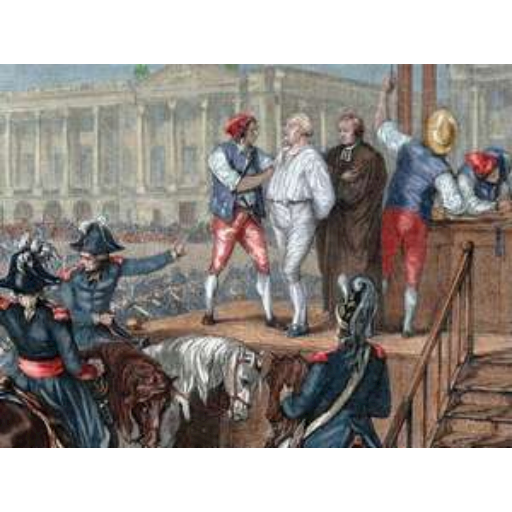
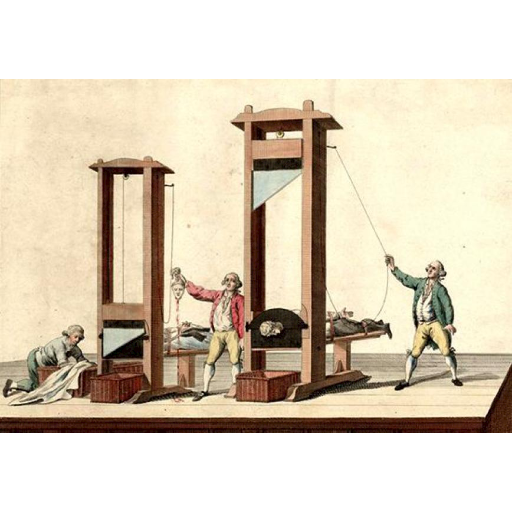
The Guillotine
The guillotine was invented in the late 18th century as a quicker and less painful way of execution. A guillotine has a very large and heavy blade that is dropped on a person's head and slices it off their body. The guillotine was used frequently during the time of the French Revolution.
8.Latin American Revolutions
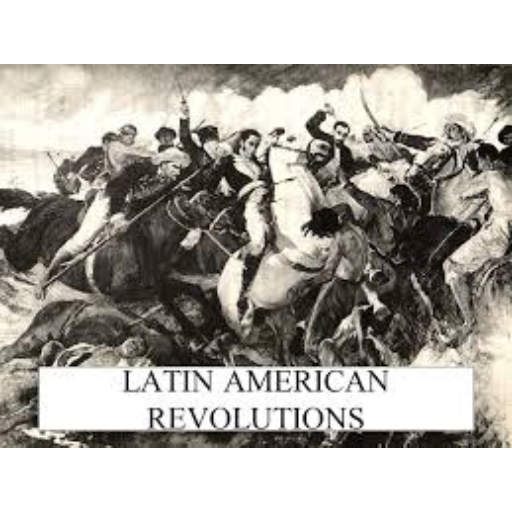
The Latin American Revolution was a revolutionary wave that took place in the late 18th and early 19th centuries. This resulted in the creation of a number of new, independent countries in Latin America. The Latin American Revolution was inspired by the American Revolution and the French Revolution.
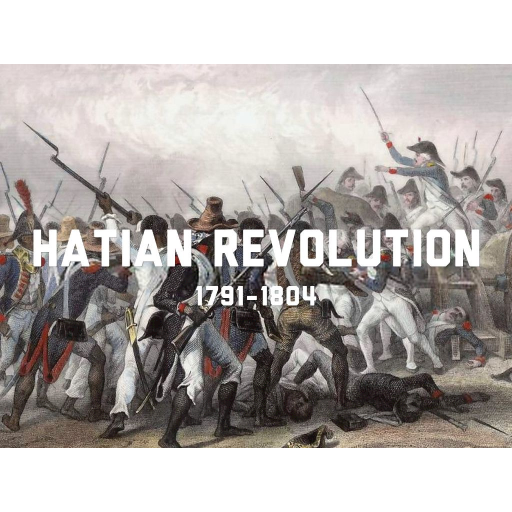
The Haitian Revolution
The Haitian Revolution was a series of conflicts between between the Haitian slaves and colonists against the armies of the British and French colonizers. Ultimately, the Hatian army defeated the French colonizers. They became the first country to ever be completely founded by former slaves.
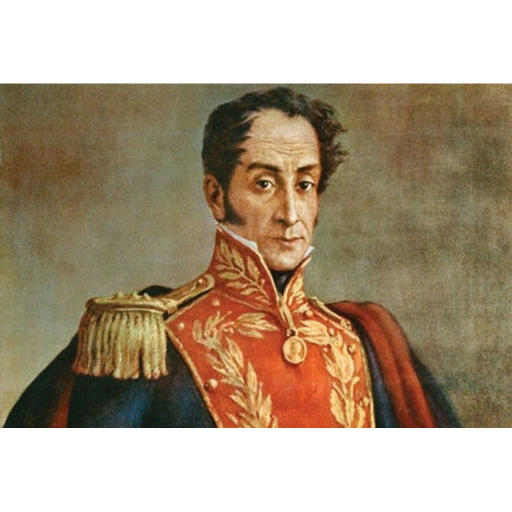
Simon Bolivar
Simon Bolivar was a soldier and statesmen for Venezuela who played a very important role in the movement for independence in South America. In his lifetime, Simon Bolivar helped many countries gain their independence in South America. These countries include Venezuela, Colombia, Ecuador, Peru, and Bolivia.
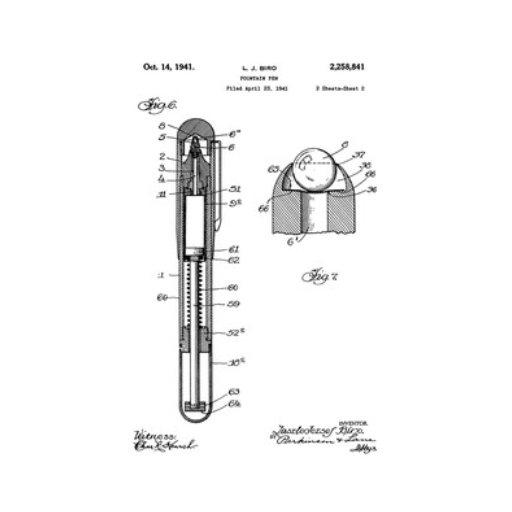
The Ballpoint Pen was invented during the same time as the Latin American revolution. It was invented on October 30, 1888 by John Loud. He was attempting to create something that was able to write on other surfaces such as wood, which the other pens of that time could not do.
The Ballpoint Pen
9.Industrial Revolution
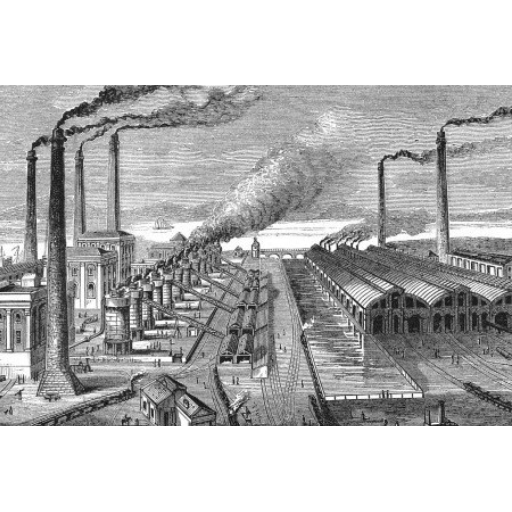
The Industrial Revolution was a time when Europe and America changed from rural to mostly urban and industrial. This lasted from the late 1700s to the mid-1800s. It changed the way people worked and lived their lives. Instead of your average American living on a farm and working on the crops every day, Americans now lived in large cities next to the factories they worked in.
Invention and Improvements on the Steam Engine
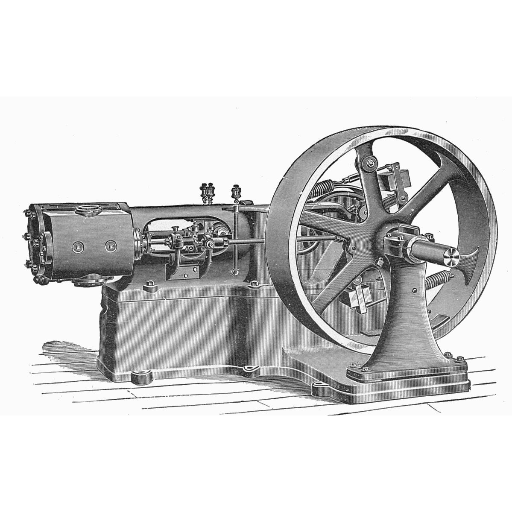
The steam engine was first invented in 1698 by Thomas Savery. In it's current state, it was not very useful. However, 14 years later Thomas Newcomen improved the steam engine and made it very useful and popular around the world. Then, the steam engine was improved once again by James Watt in 1769 when he made the steam engine more efficient. The steam engine was very important to the Industrial Revolution.
Eli Whitney
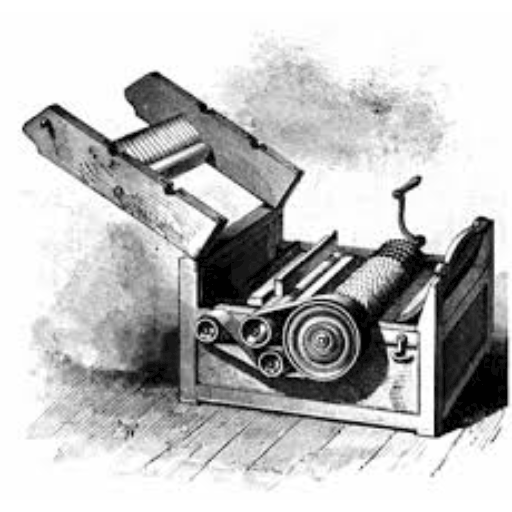
In 1793, a man named Eli Whitney invented the cotton gin. The cotton gin helped take the seeds out of cotton much faster than doing it by hand. Before the invention of the cotton gin, cotton farmers had to pick the seeds out of the cotton one by one. The invention of the cotton gin was mostly important in the south. Cotton was one of the main crops grown during this time period.
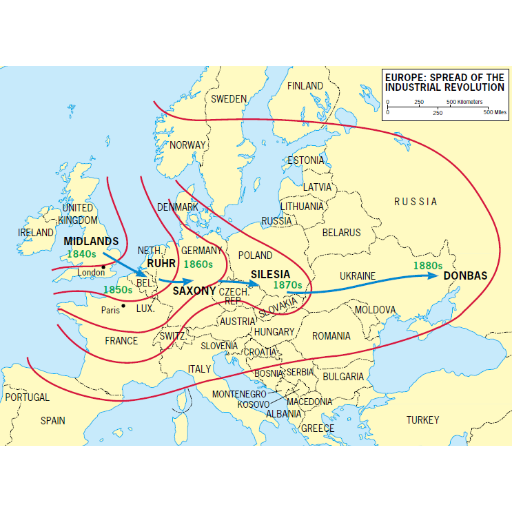
The Spread of the Industrial Revolution
The Industrial Revolution began in Great Britain and quickly spread to the United States. After spreading to the United States, it spread rapidly across Europe. Soon after most of Europe was industrialized and centered around factories and urban areas.
- Full access to our public library
- Save favorite books
- Interact with authors
- < BEGINNING
- END >
-
DOWNLOAD
-
LIKE
-
COMMENT()
-
SHARE
-
SAVE
-
BUY THIS BOOK
(from $22.79+) -
BUY THIS BOOK
(from $22.79+) - DOWNLOAD
- LIKE
- COMMENT ()
- SHARE
- SAVE
- Report
-
BUY
-
LIKE
-
COMMENT()
-
SHARE
- Excessive Violence
- Harassment
- Offensive Pictures
- Spelling & Grammar Errors
- Unfinished
- Other Problem






COMMENTS
Click 'X' to report any negative comments. Thanks!