ABC Book for GLY 102 final project
For grades 3-5

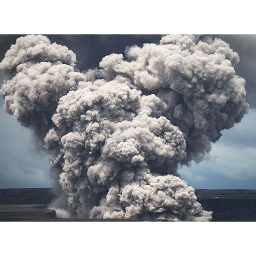
is for Ash
Volcanic ash comes from volcanic eruptions. The ash is made up of escaped gasses that are violently released into the air. In the atmosphere, the gasses solidify into igneous rock.

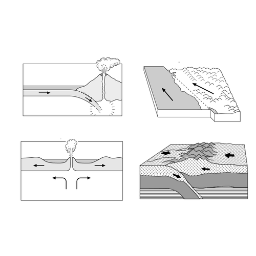
is for Boundary
Plate boundaries are where sections of the earth's crust meet. When these boundaries move against each other it can create earthquakes, islands, and even volcanoes!

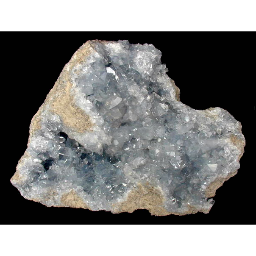
Crystals are formed depending on how rocks are made. All rock types can have crystals, but they're most common in metamorphic and igneous rocks.
is for Crystals

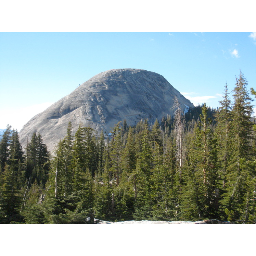
is for Dome

Dome mountains are mountains formed when magma rises to the crust, but pushes sediment up instead of erupting. The result? Mountains with a flat, domed top!
is for Erosion

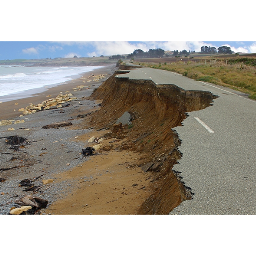
Erosion is the process of wearing down parts of the earth's surface and moving it from one place to another. Erosion can happen through wind, ice, and even slow moving water. The Grand Canyon is an example of erosion!
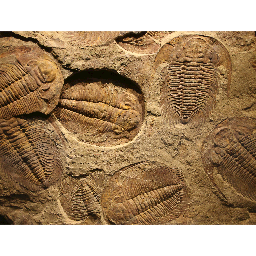
is for Fossil

Fossils are pieces of hard material from plants and animals that have been preserved in sedimentary rock. Small shells found in pieces of rock are fossils, as well as giant dinosaur bones!
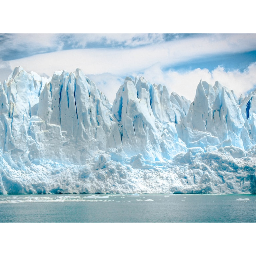
is for Glacier

Glaciers are large bodies of moving ice. Glaciers can pick up sediment and move it elsewhere, causing erosion to happen.
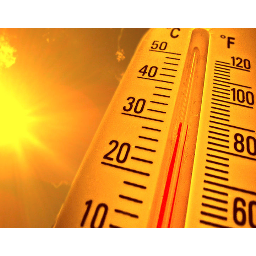
is for Heat

Heat has a big impact on the formation of rocks. If rocks are deep underground, they can be exposed to high heat and melt, forming magma and eventually igneous rock. Or, heat and pressure can combine and change a rock's structure, forming metamorphic rocks.
is for Igneous Rock

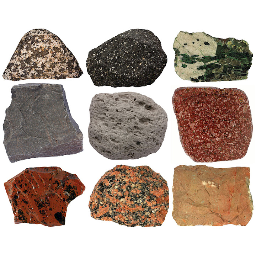
Igneous rocks are formed when magma cools and becomes solid. This can happen inside the earth's surface where it cools very slowly. It can also form when magma erupts onto the earth's surface and it cools quickly.
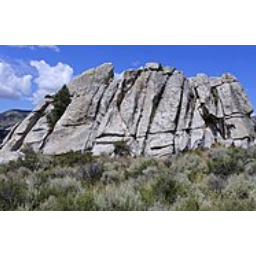
is for Joint

A joint is a crack that divides a rock into two smaller sections that have moved away from each other. If you've ever seen a large wall of rock that looks like it's been split up, that's a joint!
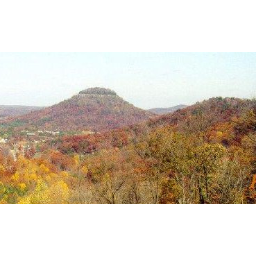
is for Knob

Knobs are rounded hills and mountains caused by erosion. The Knobs Region of Kentucky is known for these steep, rounded hills!
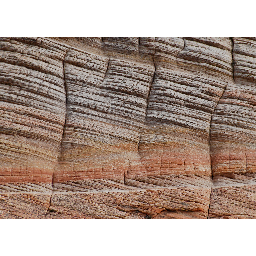
is for Lithification

Lithification is the process forming sedimentary rocks. Sediments get squeezed together under pressure and become solid!
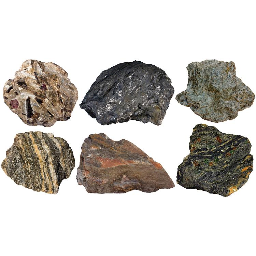
is for Metamorphic Rock

Metamorphic rocks used to be igneous or sedimentary rocks. Because of high heat and pressure below the earth's surface, the rocks go through a physical or chemical change into metamorphic rocks. It's almost like a magic trick!
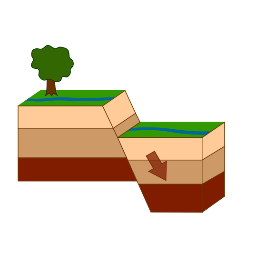
is for Normal Fault

A fault is a crack between large areas of rock, creating a footwall and a hanging wall. A normal fault is when the hanging wall slips below the footwall. They are found around most of the world's mountain ranges!
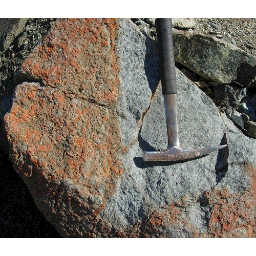
is for Oxidation

Oxidation is a form of chemical weathering. Some rocks contain iron, and when it meets oxygen, it creates iron oxide. If you've ever seen a rusty metal fence, it's the same process! It can weaken rocks, causing them to break down.
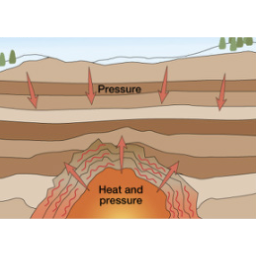
is for Pressure

Pressure is an important part in making any type of rock. Pressure and heat can cause rocks to melt and make igneous rock. It can also cause them to transform into metamorphic rock, or squeeze sediments together to make sedimentary rocks.
- Full access to our public library
- Save favorite books
- Interact with authors
- < BEGINNING
- END >
-
DOWNLOAD
-
LIKE
-
COMMENT()
-
SHARE
-
SAVE
-
BUY THIS BOOK
(from $5.39+) -
BUY THIS BOOK
(from $5.39+) - DOWNLOAD
- LIKE
- COMMENT ()
- SHARE
- SAVE
- Report
-
BUY
-
LIKE
-
COMMENT()
-
SHARE
- Excessive Violence
- Harassment
- Offensive Pictures
- Spelling & Grammar Errors
- Unfinished
- Other Problem





COMMENTS
Click 'X' to report any negative comments. Thanks!