Table of Contents:
2)Culture
3)Location
4)Language
5)Religion
6)Economy
7)History
8)Food
9)Industry/Business
10)Entertainment
11)Education
12-15)References

Culture

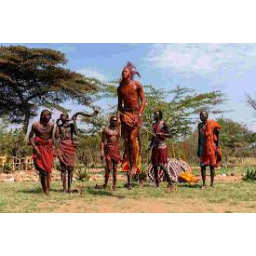
Kenya is composed of 13 ethnic groups, and 27 smaller groups. There are three different sub-groups in Kenya; these include the Bantu,
Nilotic, and Hamitic Tribes,
all of which have a
differencing background.
Location
Kenya resides on the east coast of Africa with the equator cutting through the equator. The country is the second highest point in Africa with Mount Kenya being the highest at 17,058 feet tall. The country is 224,081 square miles. Because of its location Kenya has two wet seasons which tend to be reliable and heavy. However, outside of these seasons, the country tends to be dry and windy.
Language
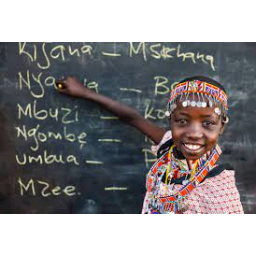
While each native group has their own local dialects the main languages in Kenya are English and Swahili (which is also known as Kiswahili). English is primarily used in education, business, and governmental work.
In contrast, Swahili is
used to boost national
unity; however this is
becoming less and less
common in younger
generations.

Religion
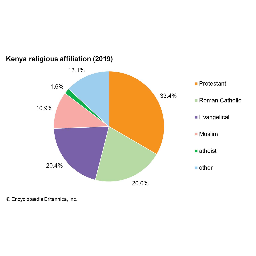
While the majority of the population practices Christian beliefs, there is some differentiation. There are five main sub-groups of religion in Kenya: Protestant Church, Roman Catholic, Evangelical, Muslim, and traditional beliefs. One example of a traditional
belief would be the
Kikuyu people who pray
in the direction of Mount
Kenya because they
believe that is where
their god (Ngai) resides.

Economy
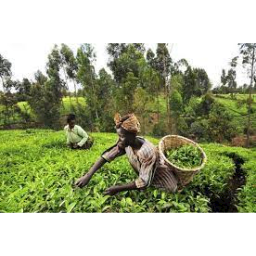
Though weakened by political turmoil, severe drought, market reforms, rampant corruption, and insecurity Kenya still has one of Africas strongest economies. This is shown through their GDP in billions being $95.52 and their GDP per capita being $4,200. With this being said the country is still dependent on foreign donors and many people still live below their needs. To fight this they use agriculture which
employees 61% of workers. They
do this through the cash crops
tea, coffee, and horticultural
products.

History
In 2000 BC many Chusitic-speaking tribes migrated into the Kenya region. Then Bantu people migrated into the area during 1000 BC. During the 9th and 19th centuries, foreign influences flooded the nation. Because of this a multitude of Arab traveling traders set posts on the African Coast. During this time many indigenous people were enslaved. However, Jomo Kenyatta led a rebellion and soon became the first president.
Food
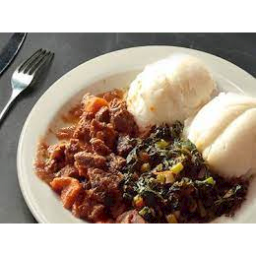
Kenya is not able to be represented by one singular dish, this is because of the extremely diverse cultures that reside in this country. With this being said most communities agree that when eating it is strictly family time. Some of the major aspects of these meals include
Fried potatoes, eggs, bread,
meat, fish, rice, and vegetables,
however change regionally. For
example, Lou and Coastal
communities have fish and
seafood as staple food sources.

Industry/Business
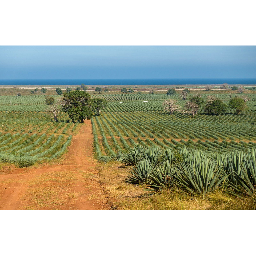
While it is safe to say that Kenya has a very diverse industrial landscape, agriculture is their largest industrial advancement. With out taking into consideration the fact that other industries, like transportation, are as high as they are now because of agriculture, agriculture has directly contributed 25% of GDP.

- Full access to our public library
- Save favorite books
- Interact with authors

- < BEGINNING
- END >
-
DOWNLOAD
-
LIKE
-
COMMENT()
-
SHARE
-
SAVE
-
BUY THIS BOOK
(from $2.99+) -
BUY THIS BOOK
(from $2.99+) - DOWNLOAD
- LIKE
- COMMENT ()
- SHARE
- SAVE
- Report
-
BUY
-
LIKE
-
COMMENT()
-
SHARE
- Excessive Violence
- Harassment
- Offensive Pictures
- Spelling & Grammar Errors
- Unfinished
- Other Problem

COMMENTS
Click 'X' to report any negative comments. Thanks!